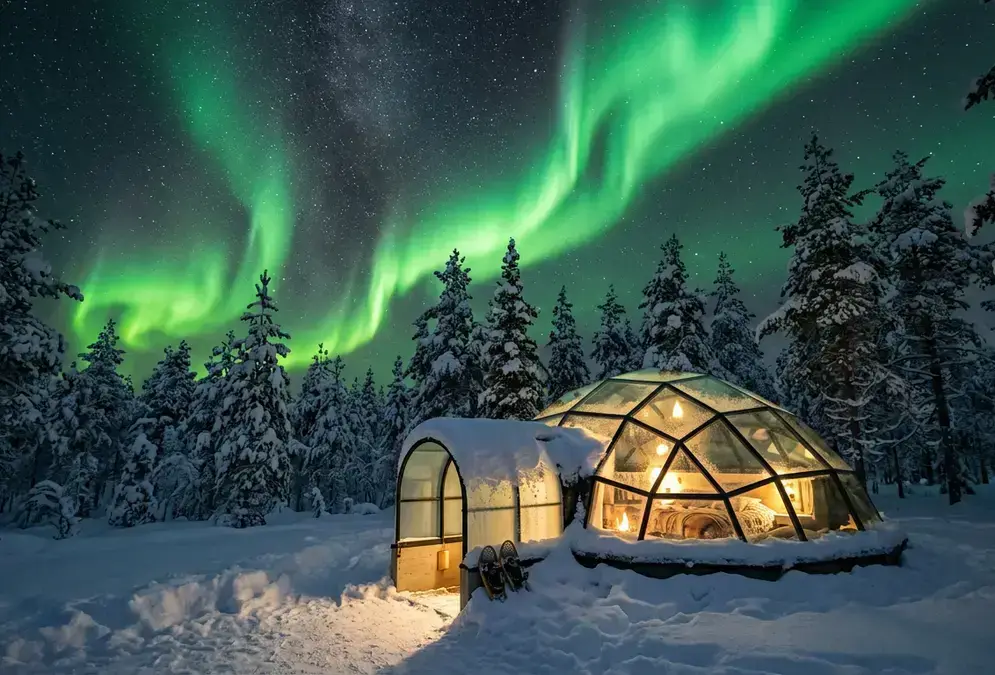

When to Go: Finnish Lapland's Aurora Season and Best Months
The aurora season in Finnish Lapland runs from late August through early April, and outside that window the sky simply never gets dark enough for a sighting, no matter how active the sun is[1]. Inside that stretch, though, not every month performs the same.
March stands out statistically. Local aurora-tracking site Aurorahunting.fi puts March at an average of six nights per month with very high aurora activity, against just three in November or December[2], nearly double, and the timing lines up with the spring equinox effect, the well-documented seasonal bump in geomagnetic activity that also lifts September and October. If you can only pick one month with no other constraint, March is the safer statistical bet over the darker but noisier December–January stretch, Lapland's kaamos, or polar night.
The sun reached its solar maximum, the active peak of the roughly 11-year solar cycle, in October 2024, and elevated aurora activity typically continues for a couple of years into the declining phase that follows, adding a second reason 2026 is a reasonable year to book. None of that guarantees a specific night, but it shifts the baseline in your favor. For the full six-base breakdown of where in the region to stay during any of these months, the Finnish Lapland northern lights hub covers Rovaniemi, Levi, Saariselkä, and the rest in more depth.
Your Realistic Odds of Seeing the Northern Lights
There's no way to guarantee a sighting on any single night, but the odds in Finnish Lapland are better than most first-time visitors expect. On a clear night between late August and April, aurora appears roughly every second night in the region, thanks to Lapland's position beneath the auroral oval, and staying three to four nights, rather than one, measurably improves your odds; a full week during peak season (September, October, March, April) pushes success rates to roughly 70 to 80 percent[2].
70–80%
Timing within the night matters too. Aurora activity in Lapland most commonly peaks between 10 PM and 2 AM, though a strong display can start as early as 7 PM and run for anywhere from a few minutes to several hours. Plan your evening, and your sleep schedule, around that window rather than heading out right after dinner and giving up by ten.
How Cold Does It Get, and Are Glass Igloos Worth It
Winter temperatures in Lapland swing hard across the season. Expect around −20°C (−4°F) during the Christmas stretch, dropping to −30°C, and on the coldest nights of deep winter, −45°C to −50°C (−58°F)[3]. September and October sit much milder, closer to −10°C, one reason that window pairs strong aurora odds with real physical comfort. December and January are the kaamos, when the sun doesn't rise above the horizon at all; the darkness is an asset for aurora-hunting even as the cold intensifies.
| Season | Typical temperature | What that means for a trip |
|---|---|---|
| September–October | ~−10°C (14°F) | Milder cold, best comfort-to-odds ratio |
| December–January (kaamos) | −20°C to −30°C, colder snaps to −50°C | Longest darkness, harshest cold, busiest and priciest |
| February–March | −15°C to −20°C | Good snow, thinning crowds, equinox boost arriving |
That cold is exactly why the glass igloo question comes up so often. Kakslauttanen and its imitators let you watch the sky from a heated bed, genuinely one of the best reasons to visit the region, but the honest tradeoff list is longer than the marketing photos suggest: temperatures near the glass can still feel cold on the worst nights, privacy is essentially zero, and young children in particular struggle with the extreme cold on the walk between buildings[4]. Most travel guides land on the same advice: book one or two nights in a glass igloo for the experience, then switch to a standard heated room for the rest of the stay. The best glass igloos in Finnish Lapland guide ranks six properties on exactly this tradeoff, and Kakslauttanen Arctic Resort remains the original and the benchmark the rest are measured against.
Families do make this trip work, cold and all. It just takes real preparation: layered thermal clothing rated well below the forecast, not just above freezing, and a realistic plan for how much time small kids spend outside on any given evening.
Choosing Your Base: Rovaniemi, Levi, or Saariselkä
Each of Lapland's main bases trades convenience for something else. Rovaniemi is the region's largest city and main airport gateway, with the widest range of restaurants and family activities, but you'll want a car or a tour to get properly away from town lights. Levi is Finland's biggest ski resort, with fell-top viewpoints and its own glass-igloo option, built for travelers who want skiing and aurora-hunting in the same trip. Saariselkä sits further north and inland, and it consistently gets credit for better weather than either Rovaniemi or the Norwegian coast, thanks to a drier, more continental climate that produces more stable, clearer winter skies[5].
Recommended tours
Tours are selected for quality, not commission. I earn a small fee if you book — at no extra cost to you.

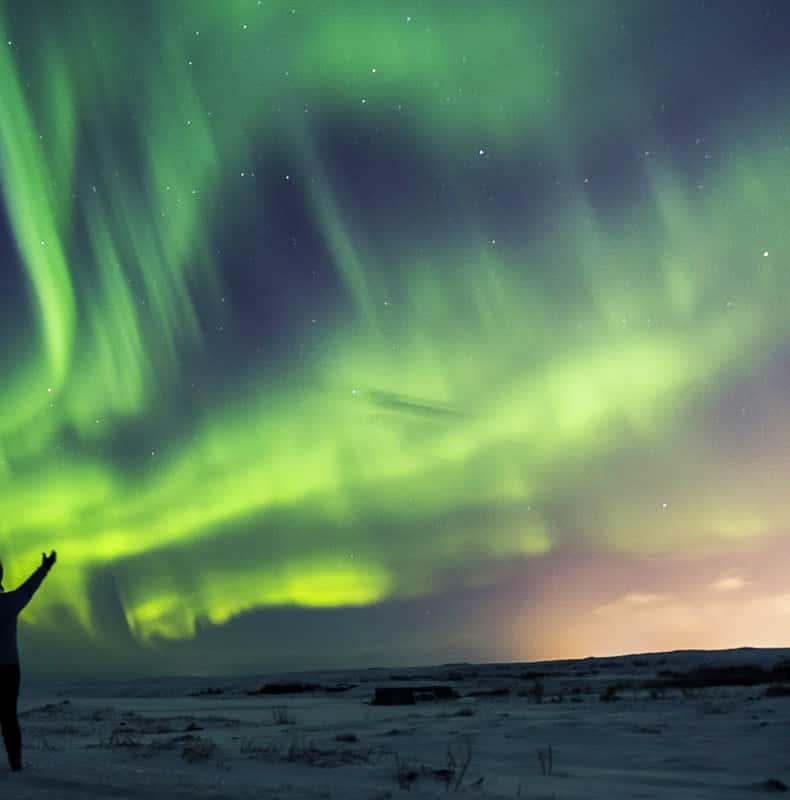

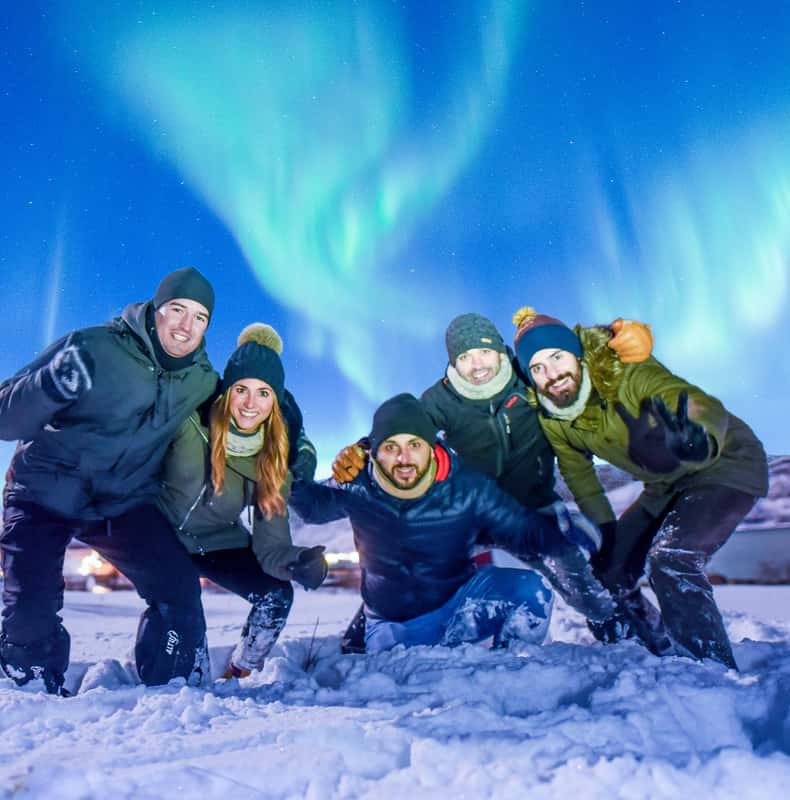
For pure aurora odds, that inland positioning is worth weighing seriously. Saariselkä and the wider Inari region sit deep enough in the interior that cloud cover behaves more predictably than it does closer to town or anywhere near the coast. Two more bases exist beyond these three: Ylläs, inside a national park with especially clean air, and Inari, the region's Sámi cultural center and the quietest of the six.
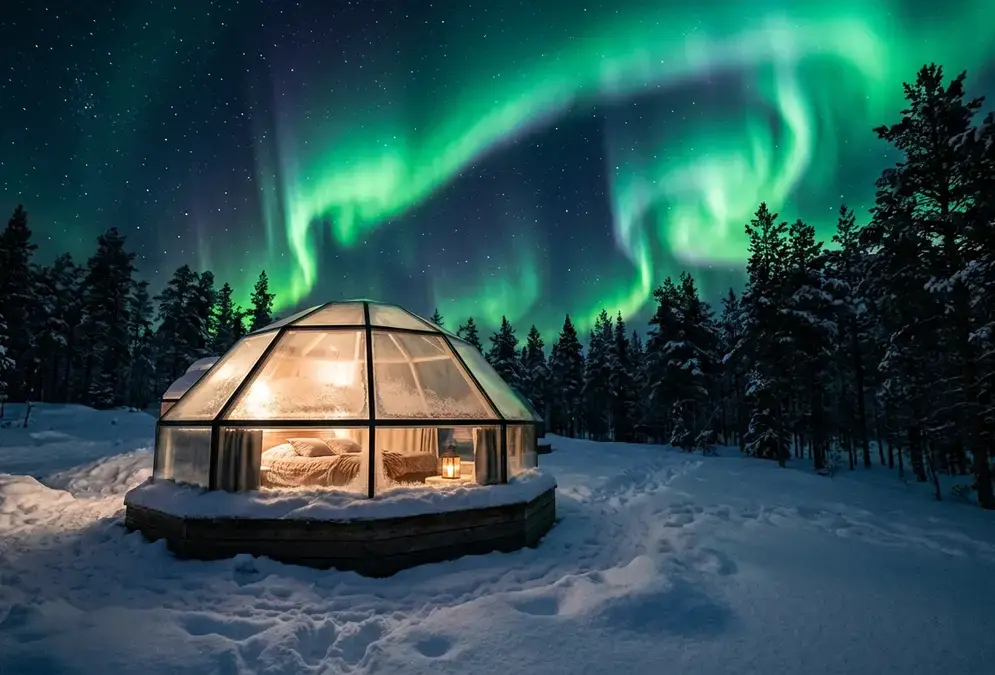
Featured · Destination
Northern Lights in Finnish Lapland
Finnish Lapland's whole-region aurora guide: glass igloos, Santa Claus Village, six bases from Rovaniemi to Inari, aurora season Sep–Mar, no road drama.
Most first-time visitors still base in Rovaniemi and day-trip or overnight elsewhere; it's the practical default for families managing kids, luggage, and a single home base.
Guided Tours vs Driving Yourself: Costs and Winter Roads
Booking a guided aurora hunt isn't strictly required, but most operators make a real case for it. A guided tour comes with someone actively watching the Kp index forecast and cloud cover throughout the day and moving quickly if conditions shift, which meaningfully raises your odds compared to guessing on your own[6]. Aurora tours in Finland also tend to run cheaper than comparable tours across the border in Norway, one of the clearer value arguments for basing an aurora trip in Lapland rather than Tromsø.
Driving yourself is genuinely manageable here, more so than in Iceland or coastal Norway. Roads are well-maintained, and all rental cars come fitted with winter tires during the mandatory season, November 1 through March 31[5]. The real hazard isn't the road surface, it's black ice, which can look identical to wet pavement or dry road, and reindeer, which cross roads constantly and don't reliably react to an approaching vehicle. Budget extra travel time and avoid driving right at dawn or dusk, when visibility is worst and animal movement peaks.
If you'd rather have someone else handle the driving and the forecast-watching, a guided aurora tour from Rovaniemi covers the snowmobile-and-husky version of the experience end to end.
Planning Your Trip: How Many Nights, and What to Book First
A minimum of 3 to 4 nights gives the weather enough independent chances to cooperate; a single overnight stop is genuinely a gamble. For a fuller trip, 5 to 7 nights lets you pair a Rovaniemi base with a side trip to Saariselkä or Inari, work in a ski day or a husky excursion, and still have room for a cloudy night or two without the whole trip riding on it.
Book in this order: lock in your travel dates around one of the three strong windows (September–October, February–March, or December–January if you want the Christmas-market atmosphere alongside the darkness), then reserve any glass igloo night specifically, since Kakslauttanen and its competitors sell out those dates months ahead. Everything else, guided tours, husky rides, snowmobile trips, can be booked closer to arrival once you have a firmer read on the weather.
If you're still weighing Lapland against a Norwegian aurora trip, Finnish Lapland vs Norway northern lights breaks down the climate and cost tradeoffs in detail, and the Finnish Lapland winter packing list covers exactly what to bring for the temperature swings covered above.