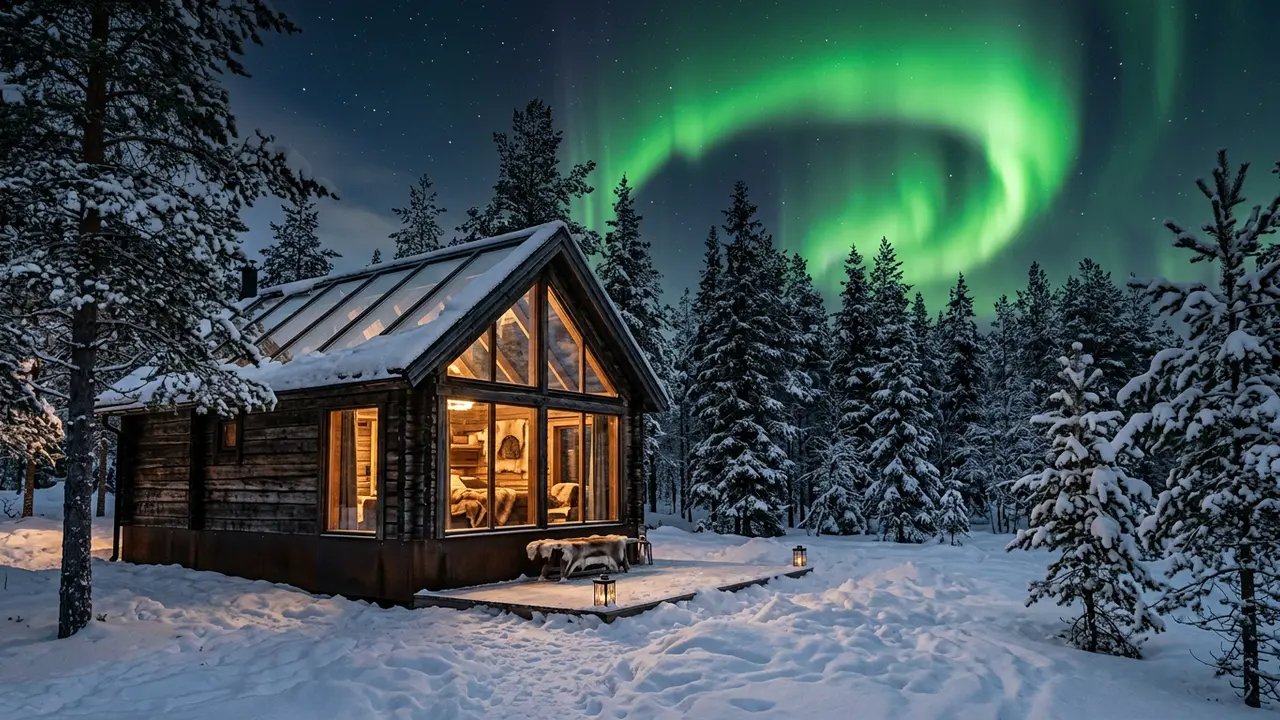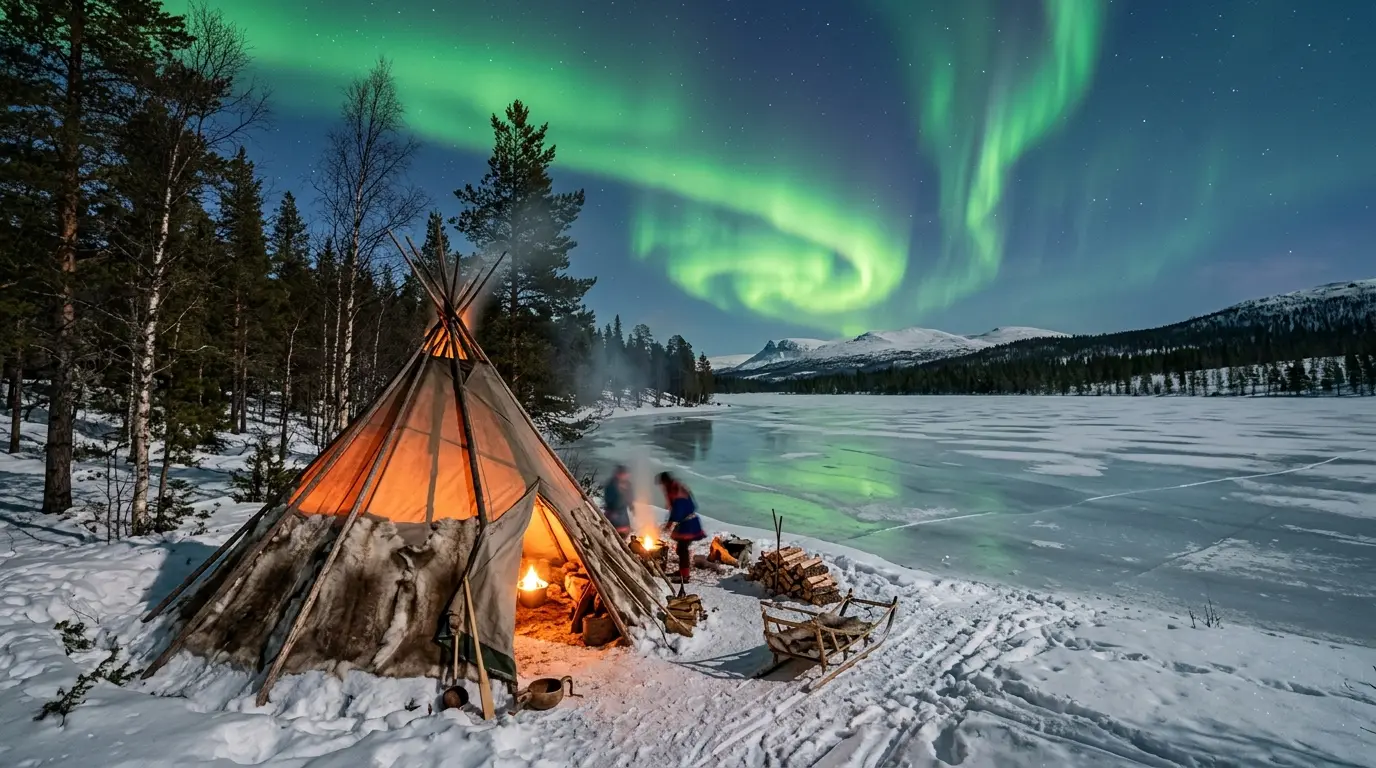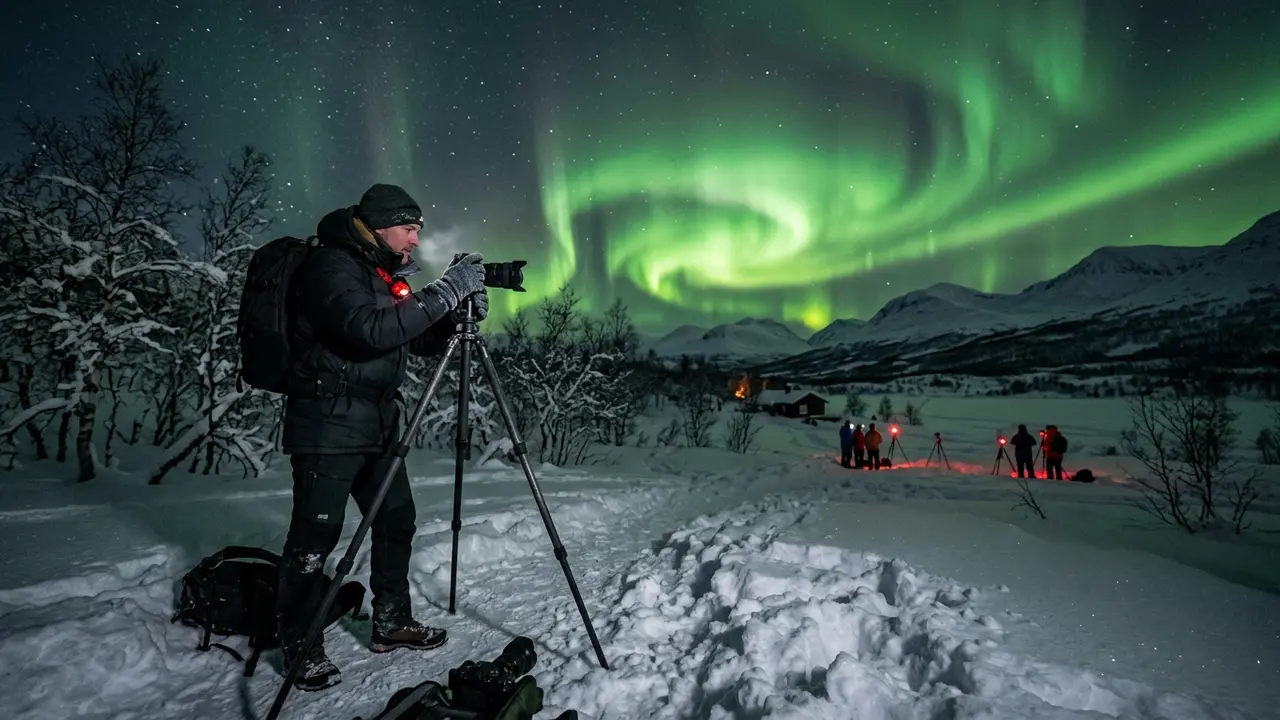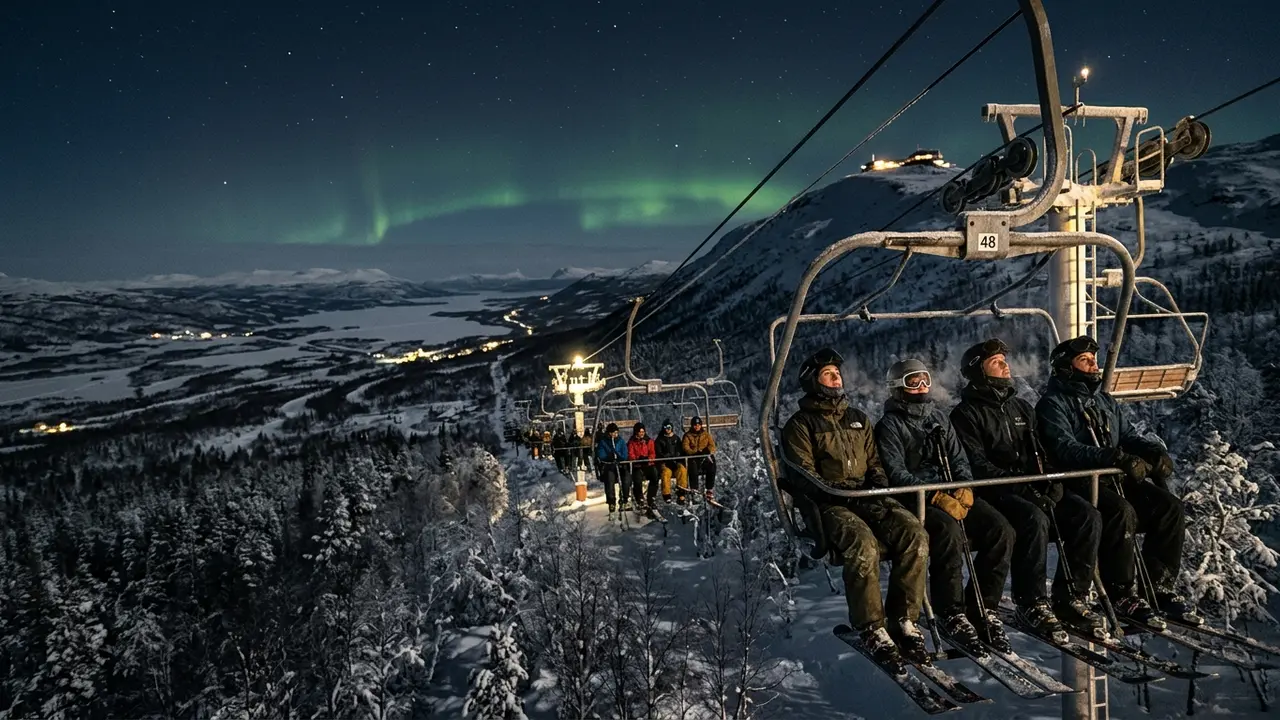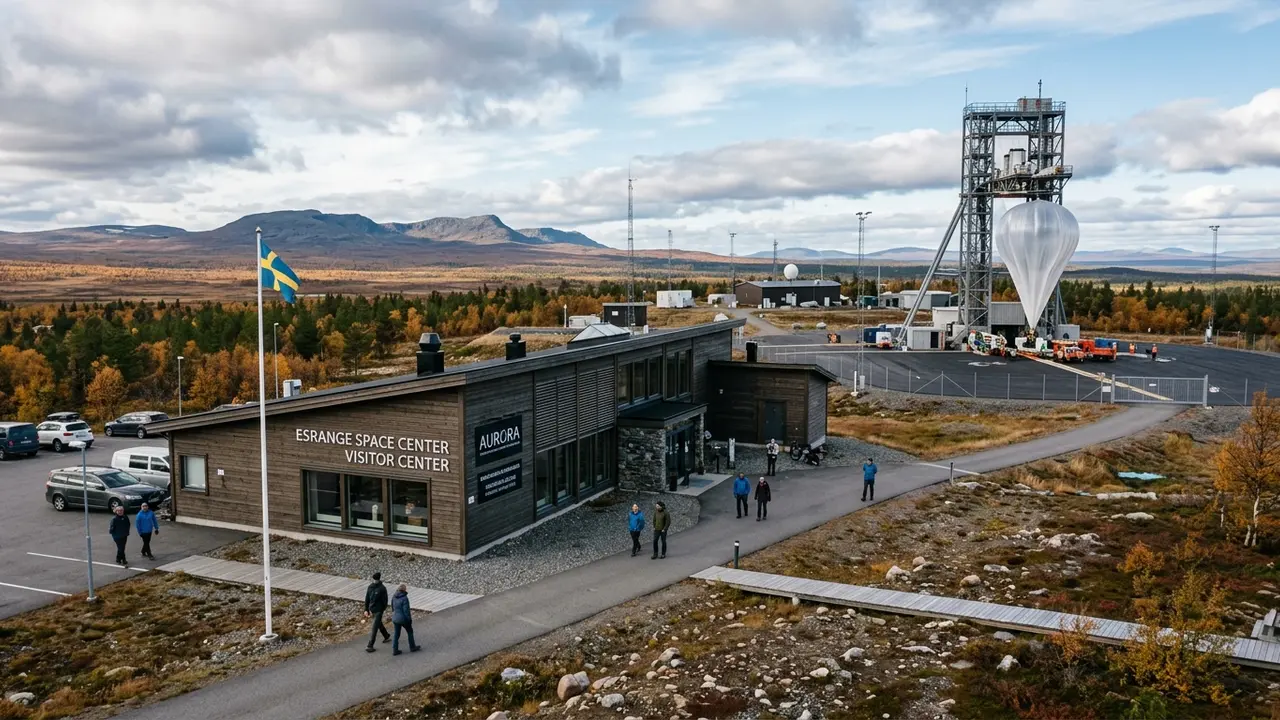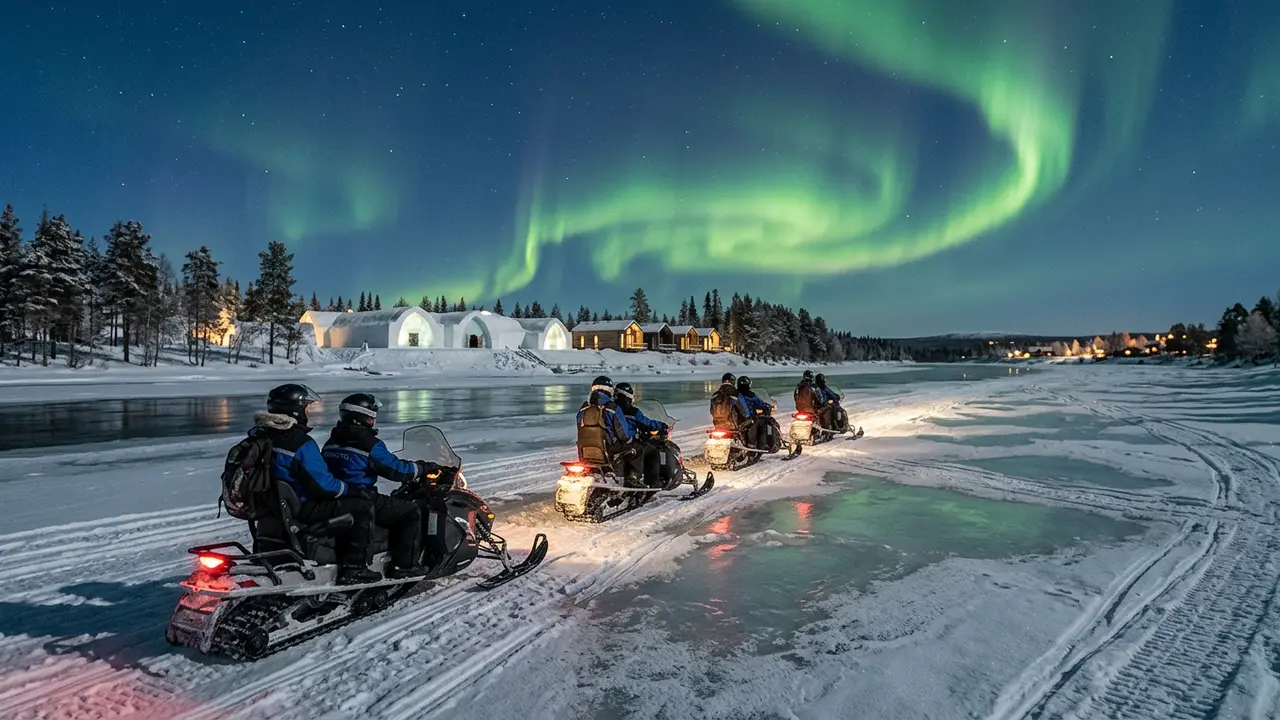
The lobby of ICEHOTEL sits close to -5°C, carved fresh every winter from blocks of the Torne River's own ice, and by the time you've found your ice suite the air outside has usually dropped another twenty degrees or more. That's the trade on offer in Jukkasjärvi, just outside Kiruna and about an hour from Abisko: a night's sleep inside a building that will melt back into the river by early summer, paired with a real chance at watching the aurora borealis move over one of the darker skies in Swedish Lapland. ICEHOTEL's Northern Lights Package bundles that stay with aurora viewing and, for most visitors, a 3-hour guided snowmobile safari across the frozen river ice.
What the package actually bundles
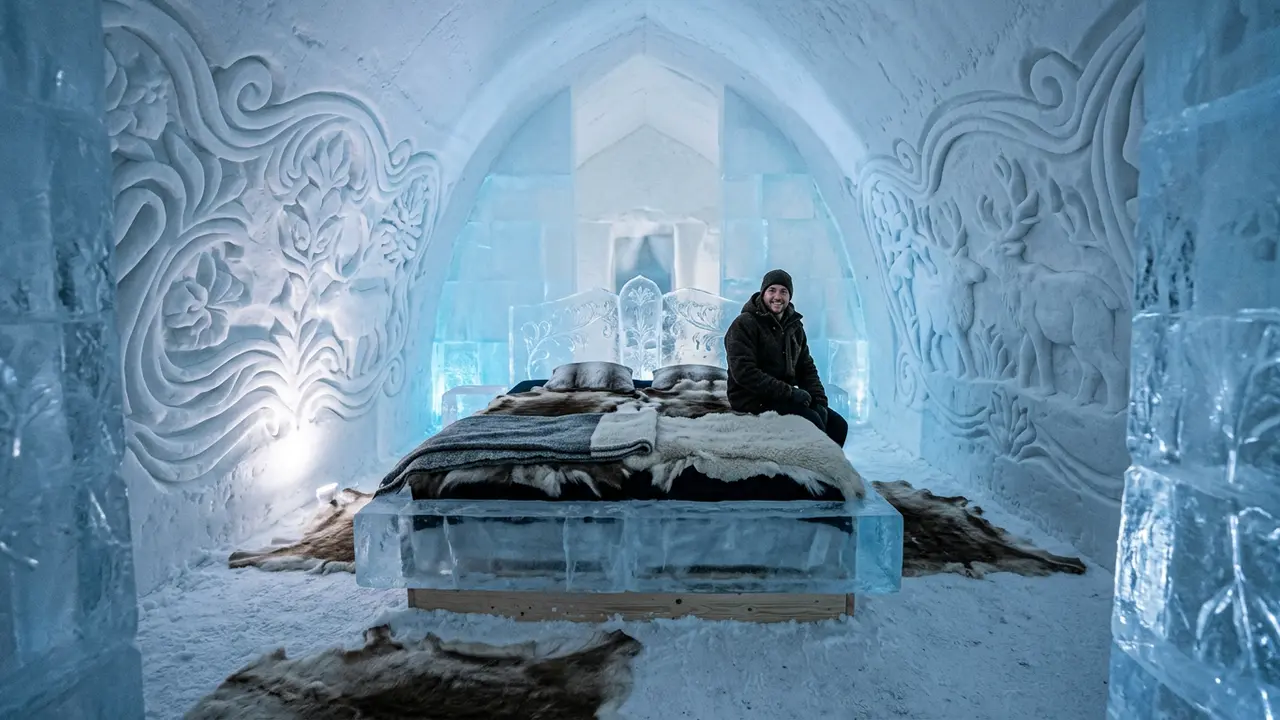
ICEHOTEL sells a dedicated Northern Lights Package, and it's worth being precise about what that means: an ice-suite stay (sleeping bag in a heated common area, art exhibition and ICEBAR access thrown in free for overnight guests), plus the aurora-viewing opportunity built into the location itself. The snowmobile safari is the natural add-on almost everyone books alongside it. None of this comes with a guarantee attached to the aurora line item, and ICEHOTEL's own marketing is careful to frame it as a chance to see the northern lights, not a promise. For a closer look at room types, the ICEBAR, and what past guests actually say about a night in the ice, see the full ICEHOTEL Jukkasjärvi review.
Sleeping in ice, one winter at a time
Every ICEHOTEL is rebuilt from scratch each December using natural ice cut from the Torne River, which means the room you sleep in this winter won't exist in the same form next year. Overnight guests get free entry to the art exhibition and the main hotel structure, a genuine perk given that day visitors pay for the same access. Expect a heated changing area, a proper sleeping bag rated for the cold, and a short, deliberate walk from your ice suite to the warm common spaces come morning — nobody spends the whole night in sub-zero air.
The snowmobile safari: three hours on the frozen Torne River
The guided snowmobile tour runs 3 hours door to door and includes loaned cold-weather gear: a winter overall, helmet, balaclava, gloves, and warm boots. Midway through, guides stop for Swedish fika (coffee and a traditional pastry) around an open fire, which is as much a chance to warm up as it is a coffee break. A few things to know before booking:
- Drivers must be 18 or older with a valid car license
- Passengers can be as young as 5, though children under 13 need an adult riding with them
- A minimum of 2 people is needed for the tour to run at all
Routes cross the frozen river and surrounding winter landscape; no prior snowmobile experience is expected.
Aurora odds: what's honest to expect
Kiruna sits at roughly 67.9°N, solidly inside the aurora zone, with the best viewing window running September through March and the darkest, most reliable stretch landing December through February, when the polar night keeps the sky dark for most of the day. That said, no operator can promise a sighting on any single night. Weather and geomagnetic activity both have to cooperate, which is the entire argument for booking 3 to 5 nights rather than one: more dark hours under a clear sky simply means more chances.
Booking and what ICEHOTEL doesn't publish
You can book directly through icehotel.com, which carries the official Northern Lights Package listing, or through third-party platforms including Klook, Booking.com, Expedia, Kayak, and TripAdvisor. What you won't find on the website is a single bundled price for accommodation plus snowmobile safari plus aurora viewing together — ICEHOTEL asks you to contact them directly for a quote, and third-party listings vary. Treat any number you see for the full package, including the range quoted here, as a planning estimate rather than a locked-in rate.
What to pack for -20°C to -35°C
Kiruna's winter runs genuinely cold, typically -20°C to -35°C, with heavy snow and very limited daylight in December and January (roughly 1 to 2 hours, improving to 4 to 6 by late February). ICEHOTEL and the snowmobile tour both provide cold-weather gear, but that's outerwear, not what you're wearing underneath it. Bring real thermal layers, warm socks, and a headlamp for the walk between buildings after dark, which in Kiruna's December is most of the day.