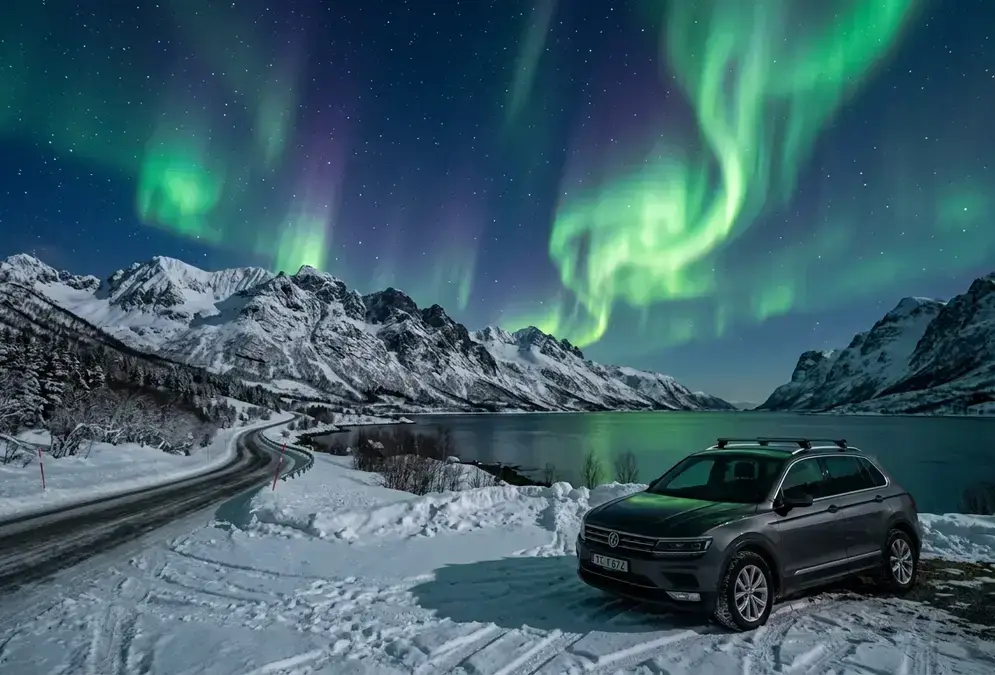

What a guided tour gives you that a rental car doesn't
A guided northern lights tour in Tromsø typically costs more than a bus ticket but less than a full self-drive setup, varying by operator, group size, and whether photography instruction is included. That price covers return transport from your hotel or city-center meeting point, thermal layering and snow boots if you didn't pack them, and a guide who has been driving these fjord roads every winter night the conditions are worth it.
The photography support is the part most first-timers underestimate. Aurora photography requires manual camera settings: 5 to 15 second exposures, ISO 800 to 3200, f/2.8 or wider, and a tripod planted firmly in snow. Guides on photography-oriented tours walk you through this in real time, with the aurora already in the sky above you. That is genuinely difficult to replicate from a tutorial watched the night before.
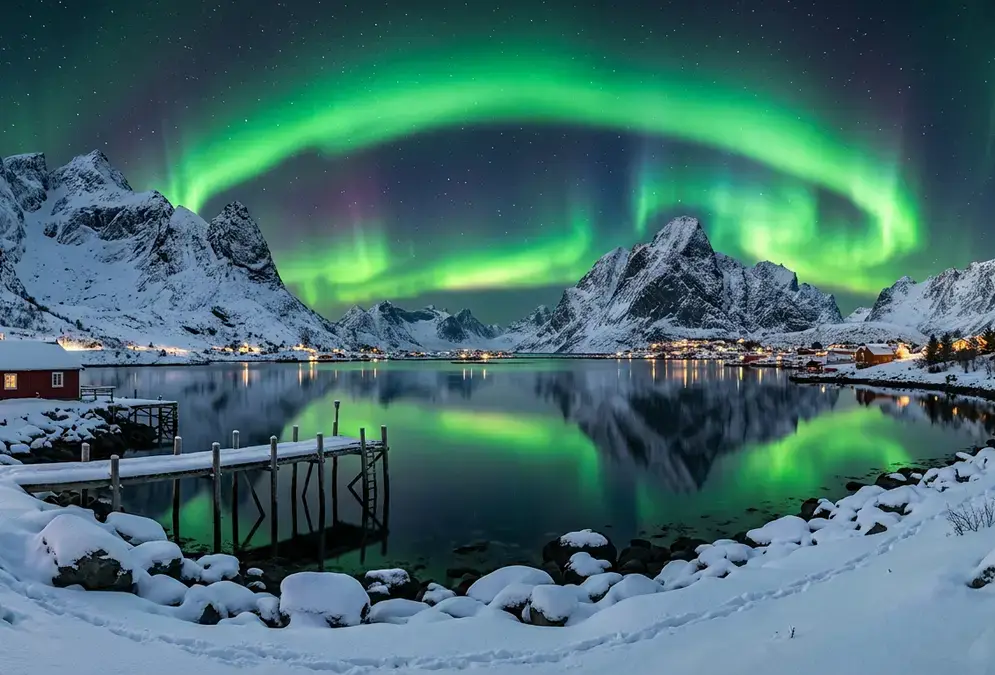
Featured · Destination
Northern Lights in Tromsø
At 69.6°N inside the auroral oval, Tromsø sees aurora at Kp 2. Peak season November–February. Best viewing spots, tour advice, and aurora forecast strategy.
What guides also provide is real-time positioning judgment: when a site looks marginal, which valley is running clearer, and whether the cloud gap to the east is worth a 45-minute drive toward it. That judgment comes from weeks of reading the same weather patterns across the same fjords. A satellite cloud map on your phone shows the same data; an experienced guide knows what it means for the next two hours.
The trade-off is rigidity. Tour schedules are fixed, group sizes range from 6 to 16 people, and departures happen at set times regardless of whether conditions look best at 9 p.m. or 1 a.m. If you want to stay at a site for three hours because the display is exceptional, you can request it, but the guide's call stands.
Going independent: the E8 road, forecast apps, and what you actually need
The standard independent route out of Tromsø is the E8 road south toward the Finnish border at Kilpisjärvi[1]. This road runs through fjord valleys that open enough sky to watch the aurora directly overhead on clear nights. Multiple designated viewing laybys are spaced along the route, with pull-outs wide enough for several cars and enough distance from town light to matter.
For a solo night out, the practical checklist:
- A rental car with winter tires, preferably 4WD (most agencies require winter tires for winter contracts)
- Layered cold-weather clothing including insulated boots rated below -20°C
- A charged phone with forecast apps set up before you leave
- A head torch with spare batteries
- A thermos, because you may be stationary for two or three hours
Under €200
For independent aurora spots beyond the E8, this location-by-location Tromsø guide covers specific laybys, drive times from the city center, and which sites work best for astrophotography.
Arctic winter driving is not the same as driving on a cold motorway. Black ice forms without visible warning, particularly at altitude transitions between the coast and inland valleys. Wind-driven snow can reduce visibility in minutes. Visitors without prior Arctic or Scandinavian winter driving experience are consistently pointed toward guided tours by the region's official tourism resources[3].
If you have driven on packed snow and ice before, the E8 in good conditions is manageable with a proper 4WD rental. If your cold-weather driving experience means occasional slush on a salted urban road, factor that honestly into your decision.
Reading the forecast: Kp index, the Ovation map, and apps that update while you're out
Two separate signals tell you whether a night is worth going out: geomagnetic activity (will the aurora fire?) and cloud cover (will you be able to see it?). Most forecast apps show both, but the underlying sources are different and worth consulting separately.
SpaceWeatherLive publishes a rolling Kp forecast with a three-day outlook updated every few hours[2]. For Tromsø, a Kp of 2 to 3 is the practical minimum for a naked-eye sighting, though displays at those levels are often faint. Kp 4 and above typically produces the kind of curtains a standard phone camera can capture. Kp 5 crosses into geomagnetic storm territory and drives displays visible well south of the city.
The NOAA Ovation map complements the Kp number with a real-time picture of where the aurora oval is sitting right now[4]. Where SpaceWeatherLive tells you storm size, Ovation shows the actual ring of aurora over the polar region. A storm that reads strong on the Kp index but is positioned east of Tromsø's magnetic meridian will produce a weaker display than the number suggests. Check both tools before you commit to driving out.
PolarForecast adds local magnetometer readings from stations across northern Norway, which can show a geomagnetic substorm developing in the Tromsø region before it registers in the global Kp figure. This matters on marginal nights: the global reading looks average, but local conditions are building. For a full breakdown of what the Kp scale actually measures and which thresholds apply at different latitudes, the Kp index explained covers the scale, the magnetic latitude calculation, and why the same Kp reading means something different in Svalbard versus Scotland.
The one thing no forecast reliably predicts more than 30 minutes ahead is the Bz component of the solar wind: the north-south orientation of the interplanetary magnetic field. When Bz tips southward, the geomagnetic connection strengthens and displays intensify. When it flips north, the same storm that looked strong on paper produces little visible aurora. This is the randomness no amount of app-checking eliminates.
Why guides drive inland when the coast is socked in
The coast around Tromsø is frequently overcast when inland areas are not. Moisture-laden air from the Norwegian and Barents Seas dumps precipitation and cloud on the coastal mountains, while the valleys toward the Finnish border remain drier and calmer. Experienced guides exploit this routinely, and it is the single biggest operational advantage a tour has over a first-time solo driver who does not know where to go when the sky over the city is gray.
The drive inland to Kilpisjärvi takes roughly two and a half hours each way from Tromsø city center on the E8. That distance only makes sense as a guided option if you are trusting someone else's read of the evening's cloud map. Solo drivers can and do make this run, but doing it on an unfamiliar road in the dark in winter, with uncertain return conditions and the aurora window potentially closing before you arrive, is a different proposition from following a guide in a minibus who has made the drive fifty times this season.
Tours that advertise cloud-chasing capability are worth asking about specifically before you book. Some operators run scheduled minibuses with a maximum range of 40 to 60 kilometers from the city. Others use smaller vehicles and are willing to drive two to three hours east if the cloud map warrants it. These are not the same product at the same price.
The northern lights chase tour Tromsø takes the second approach: smaller groups, longer potential range, and route decisions made on the night based on real-time cloud data rather than a predetermined loop. That flexibility makes a material difference on evenings when conditions are broken and patchy rather than uniformly clear or uniformly closed.
Read next · Tour
Northern Lights Chase Tour in Tromsø
A 5–6 hour minibus aurora chase from Tromsø, November–March. Expert guides track real-time weather to find clear skies. From €120. No sighting guarantee.
When a tour makes sense, and when going solo is the right call
The answer hinges on three variables, and they don't all point the same direction for everyone.
Winter driving experience is the clearest decision point. If you have driven on packed snow and ice before, know how to handle a rear-wheel slide, and are comfortable adjusting speed for black ice in the dark, the E8 is manageable with a proper rental. If your cold-weather driving means occasional slush on a salted motorway, a guided tour is the more sensible choice by a meaningful margin.
| Guided tour | Self-drive | |
|---|---|---|
| Cost (solo traveler) | Moderate | ~€120–180 (car + fuel) |
| Cost (2–3 sharing) | Up to ~€600 | ~€60–90 per person |
| Winter driving required | No | Yes, Arctic ice roads |
| Schedule flexibility | Fixed departure | Full control |
| Inland cloud-chasing | Yes (select operators) | Yes, if willing to drive 3 hrs+ |
| Photography guidance | Specialist tours | None |
Budget matters, but perhaps less than it first appears. Renting a car and buying fuel for a long inland run can approach the price of a guided tour, especially for a solo traveler. For two or three people sharing a rental car, self-driving is considerably cheaper per person. The budget argument tilts toward independence as your group size increases.
Flexibility is where independent travel genuinely wins. A tour schedule is the guide's schedule. On a night when conditions look best at 1 a.m. and mediocre at 10 p.m., the tour bus may still depart at 9:30 p.m. from the hotel forecourt. In a rental car, you can sleep until midnight, check the magnetometer data, and leave when conditions are building. For anyone who has read enough about the Bz and the oval to know what they are looking at, that control is worth more than the expertise.
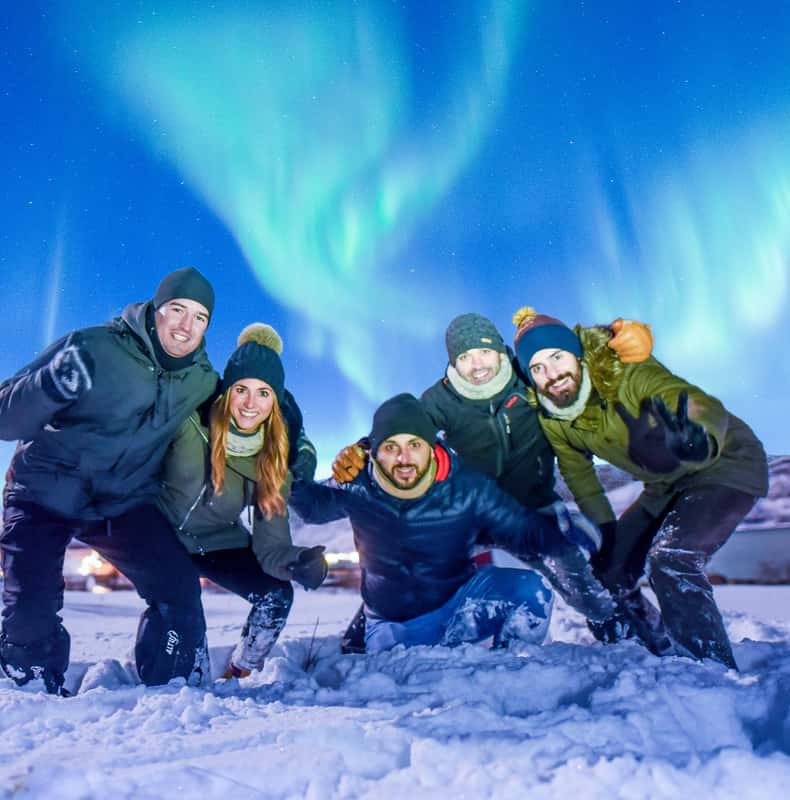
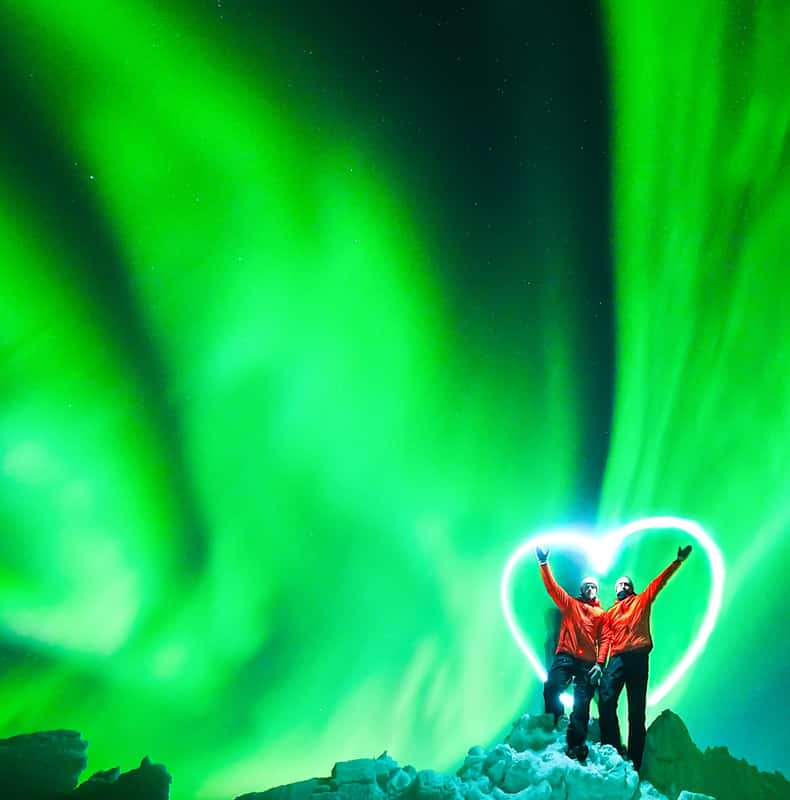
Recommended tours
Tours are selected for quality, not commission. I earn a small fee if you book — at no extra cost to you.
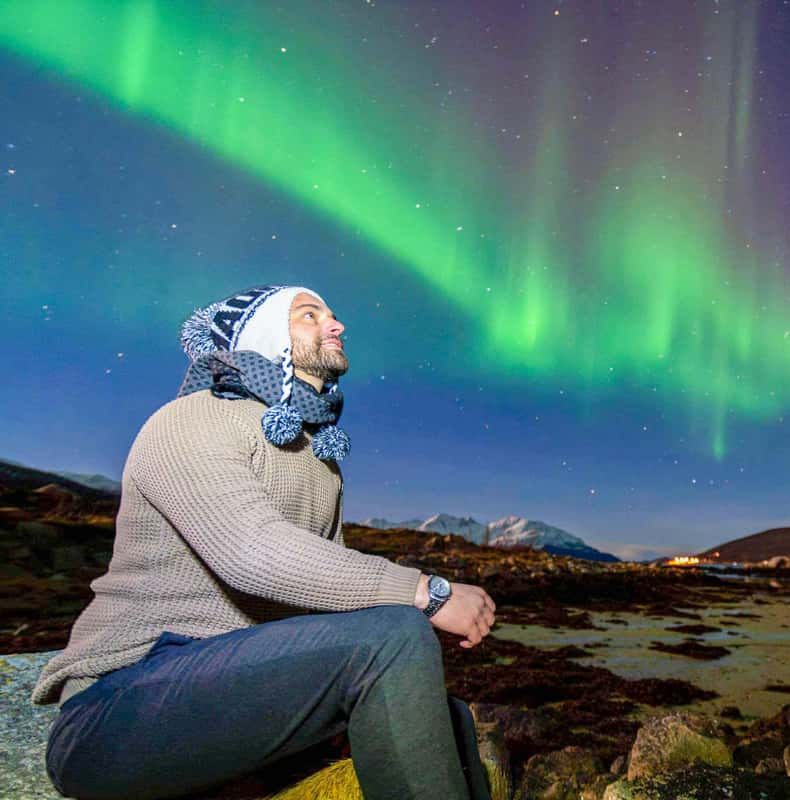
The Tromsø northern lights destination guide covers the full seasonal calendar: which months favor cloud-free viewing, when geomagnetic activity typically peaks, and how to read a five-day outlook for a specific travel window.
What 'guaranteed sighting' actually means
Several Tromsø tour operators advertise guaranteed northern lights sightings. This phrase deserves attention before you pay for it.
A genuine rebook policy covers the case where cloud, low Kp activity, or other conditions outside the operator's control mean no aurora was visible on your booked night. The operator offers you an additional night at no extra charge, up to the remaining length of your stay. It is not a guarantee that you will see the aurora. If every night of your trip is overcast, no policy makes the sky clear. The guarantee applies to effort and opportunity, not to outcome.
This matters practically because the value of a rebook guarantee depends on how many nights you have left. A rebook offer is meaningless if you booked the last night of your trip, and only worth anything if you have remaining nights to apply it to. The more nights you book initially, the more a rebook policy is worth.
The guaranteed-sighting aurora tour Tromsø runs this kind of policy: if conditions prevent a sighting on your first booked night, you get an additional night added to your reservation at no charge, subject to availability. Reading the terms on what counts as a qualifying non-sighting is worth doing before you book any tour that uses this language.
The broader lesson is that no product changes the fundamental aurora equation: more nights in the right location is the single most reliable way to see the lights. Tours, forecast apps, and rebook policies are all ways of optimizing within a given trip length. They are not substitutes for it.