Articles · Sky science
Sky Science: Light Pollution, the Bortle Scale and Why Skies Stay Dark (Page 4)
Plain-English explainers on how light pollution is measured, what each Bortle class means, how the Kp index feeds aurora forecasts, and why places like Merzouga, Uluru and the Atacama stay so dark. It is for travelers who want to understand a sky before they chase it.
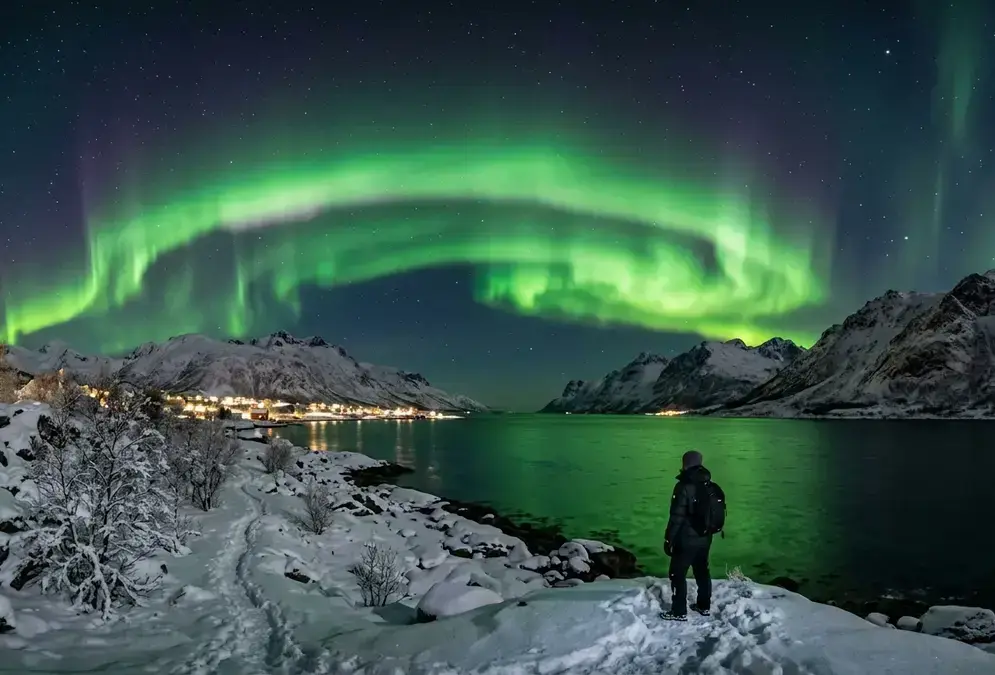
Kp Index Explained: How to Read Northern Lights Forecasts
Maya Okonkwo Updated 8 min read
The Kp index runs from 0 to 9, a geomagnetic scale that tells you when aurora is likely. Learn what each value means for your latitude and how to track it.
Read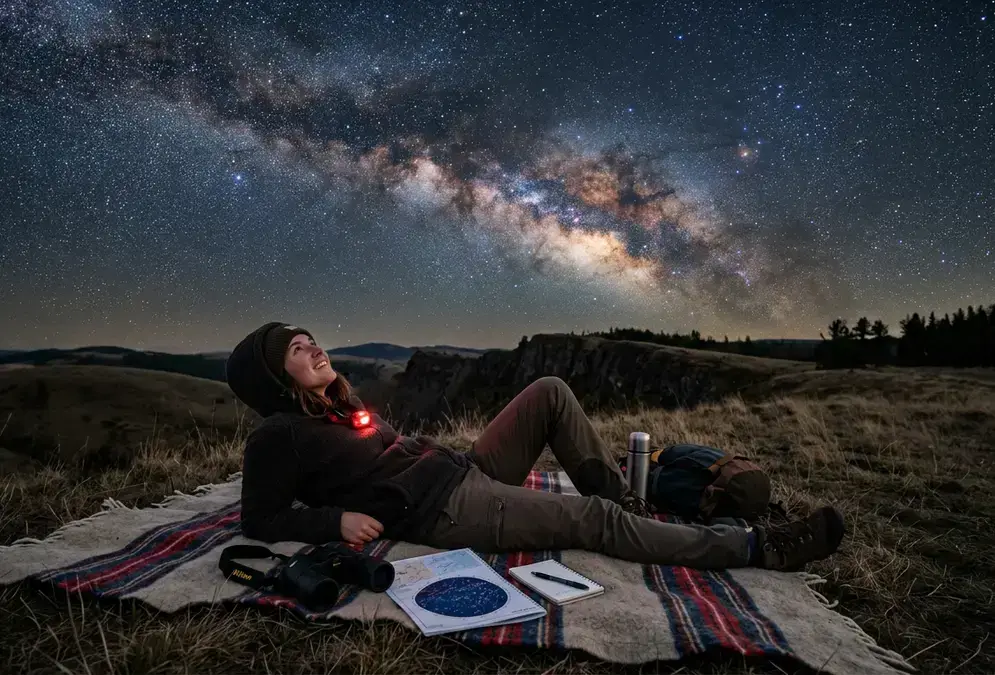
Stargazing for Beginners: How to Start with Your Eyes
Maya Okonkwo Updated 10 min read
Learn stargazing for beginners: dark adaptation, the Bortle scale, best times to go, what to spot first, and why binoculars beat a telescope on night one.
Read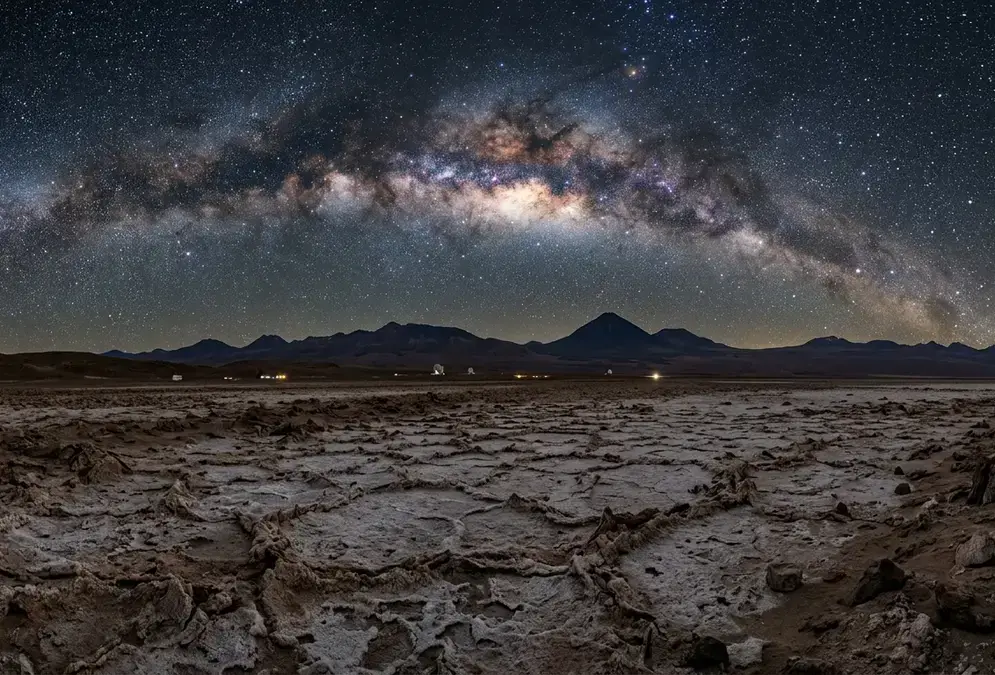
Why Is the Atacama Desert the Driest on Earth?
Maya Okonkwo Updated 9 min read
Three forces starve the Atacama of rain: the Andes rain shadow, the Humboldt Current, and subtropical high pressure — clearing its skies 330 nights a year.
Read