Articles · Sky science
Sky Science: Light Pollution, the Bortle Scale and Why Skies Stay Dark (Page 3)
Plain-English explainers on how light pollution is measured, what each Bortle class means, how the Kp index feeds aurora forecasts, and why places like Merzouga, Uluru and the Atacama stay so dark. It is for travelers who want to understand a sky before they chase it.
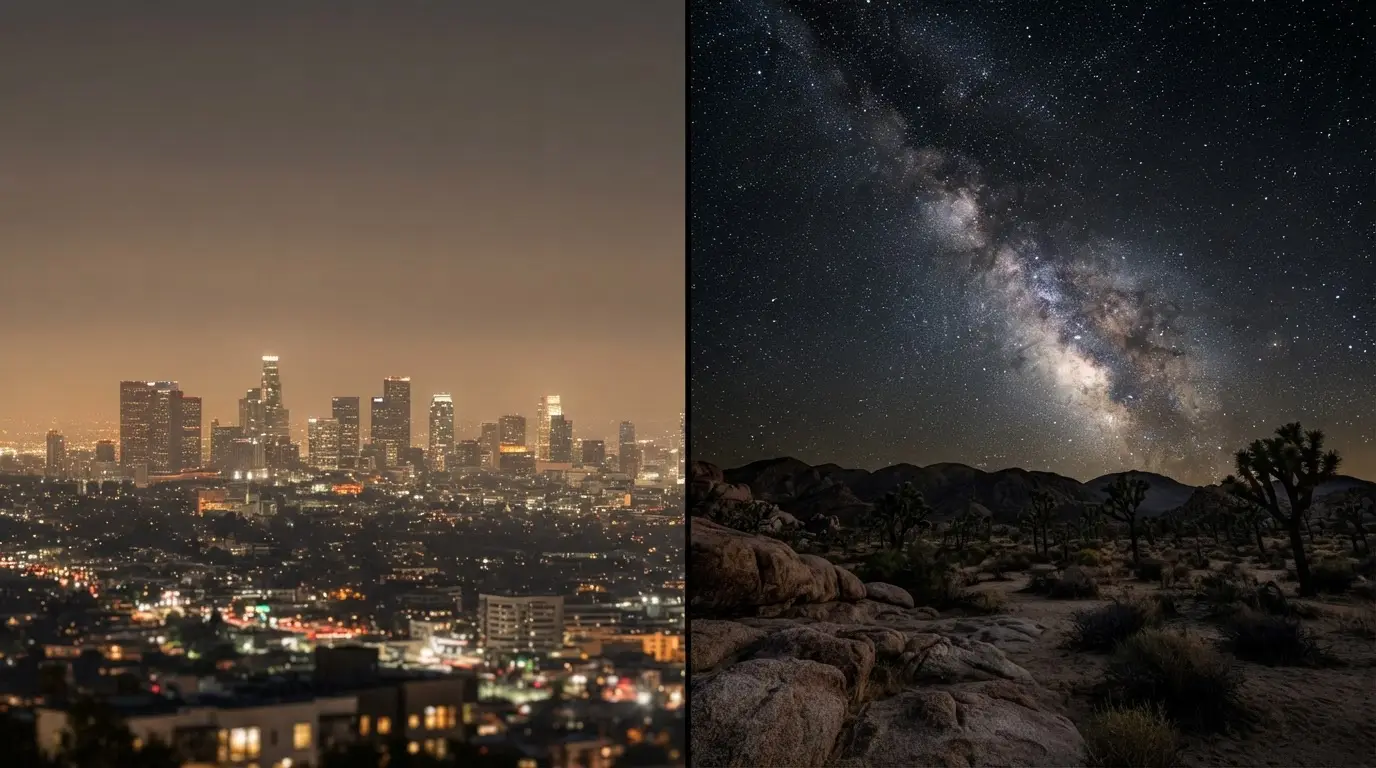
Why We Can't See the Milky Way Anymore
Maya Okonkwo Updated 3 min read
The Milky Way hasn't gone anywhere. A 2016 atlas mapped its disappearance from view; later observations reveal how artificial light changes the sky we see.
Read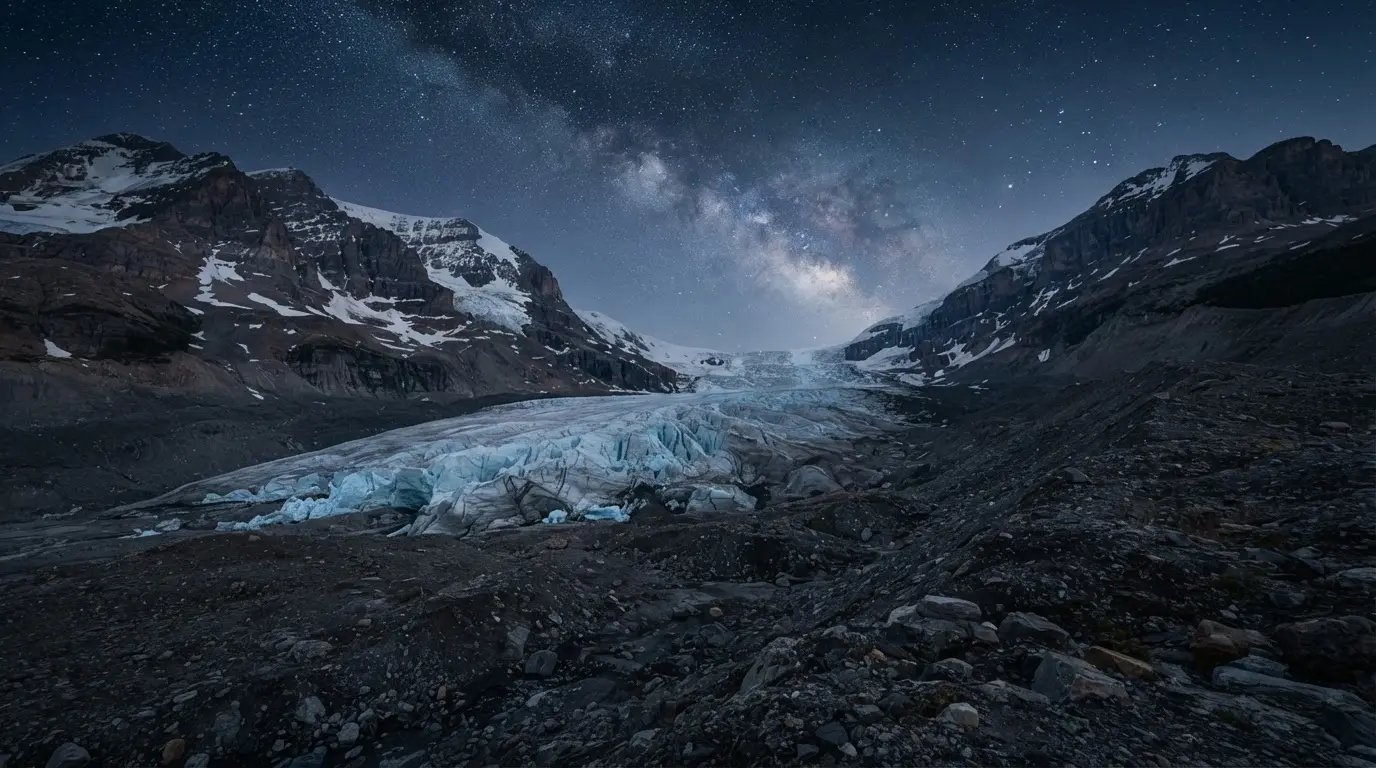
Athabasca Glacier Retreating: What It Means for Your Photos
Maya Okonkwo Updated 5 min read
The Athabasca Glacier loses about 5 meters of depth yearly and has retreated 1.5 km in 125 years, reshaping the foreground for anyone framing a night shot.
Read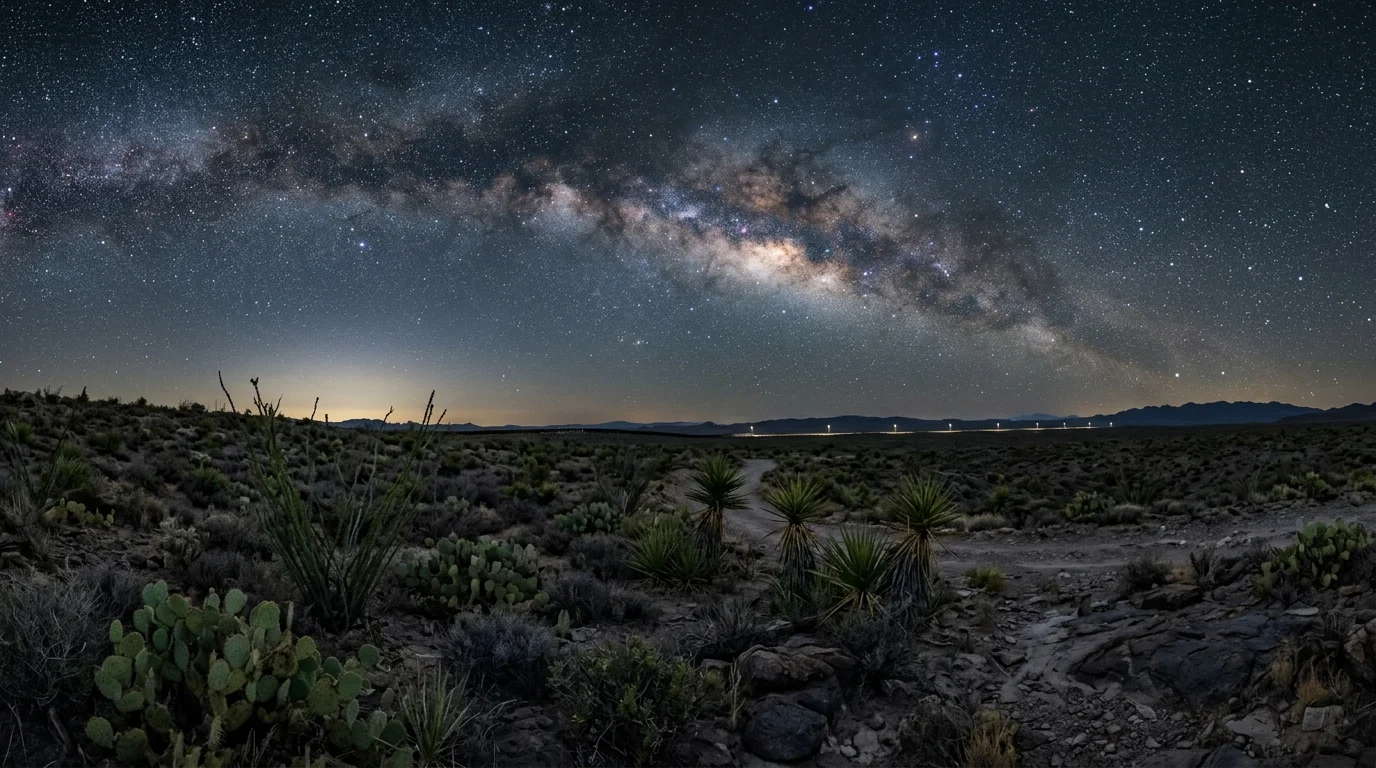
Big Bend National Park Light Pollution: The Border Wall Threat
Maya Okonkwo Updated 9 min read
Big Bend's dark sky faces two distinct threats: a 175-mile wall outside the park and CBP surveillance lighting inside it. What stargazers need to know.
Read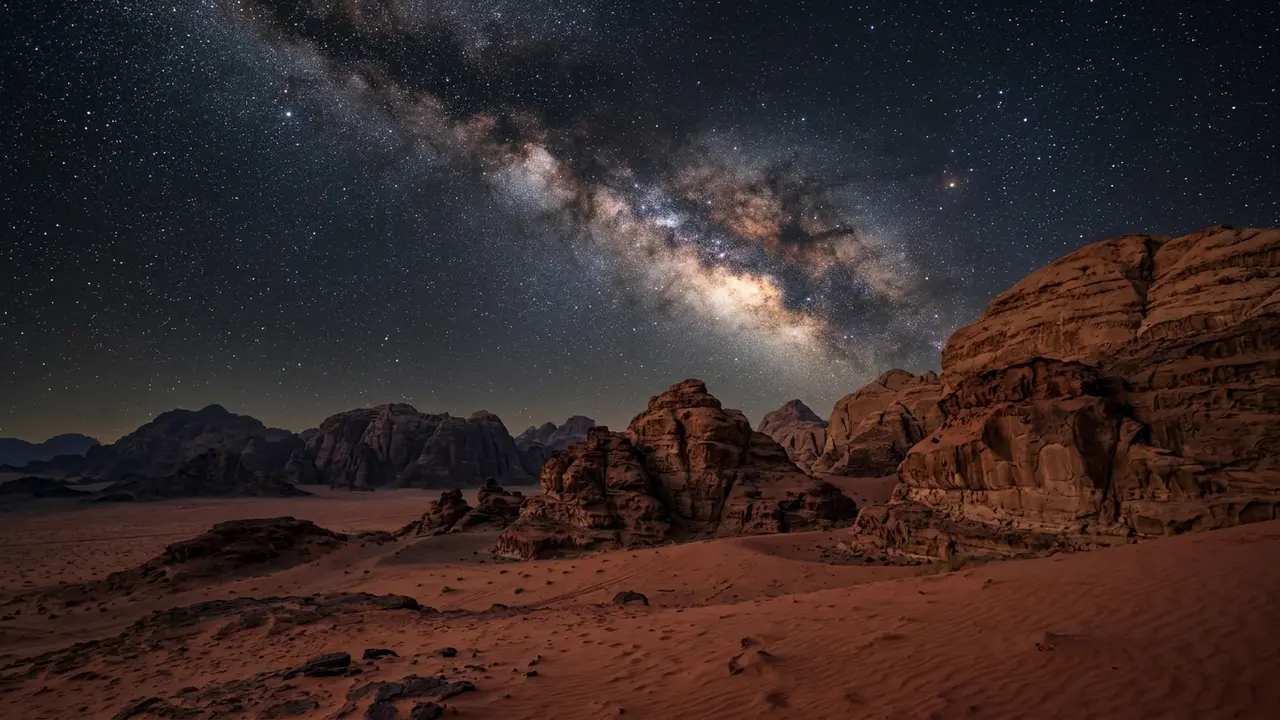
Wadi Rum's UNESCO Dark Sky Status, Explained
Maya Okonkwo Updated 9 min read
Wadi Rum is a UNESCO World Heritage site, not a DarkSky-certified reserve. Here's what the 2011 designation protects, and why its desert sky stays this dark.
Read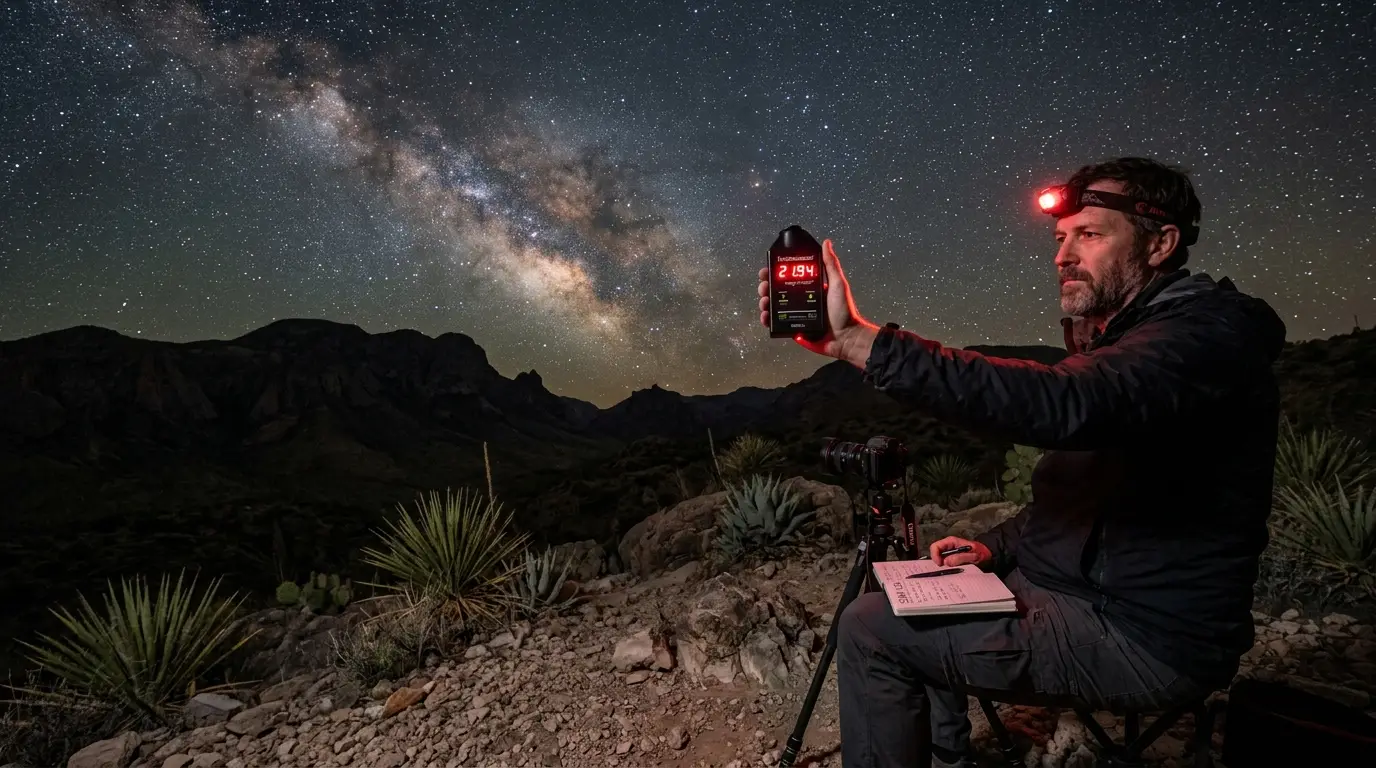
Big Bend Dark Sky Certification: The Bortle Class 1 Science
Maya Okonkwo Updated 8 min read
Big Bend is rated Bortle Class 1, the darkest sky classification. The Sky Quality Meter data, IDA certification, and McDonald Observatory's role, explained.
Read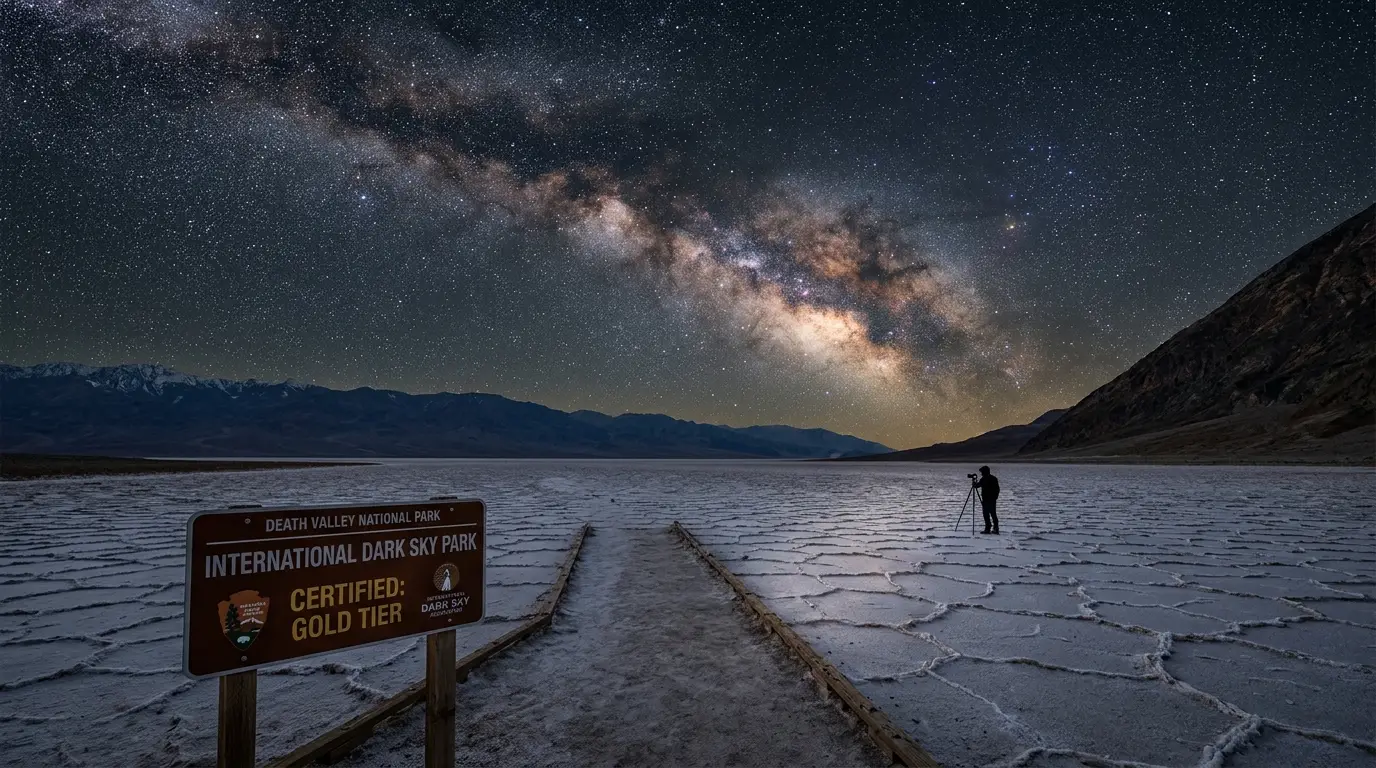
Death Valley Dark Sky Certification, Explained
Maya Okonkwo Updated 6 min read
Death Valley's Gold Tier certification covers one of Earth's largest dark-sky areas, 3.4 million acres, kept clear by extreme aridity, not its elevation.
Read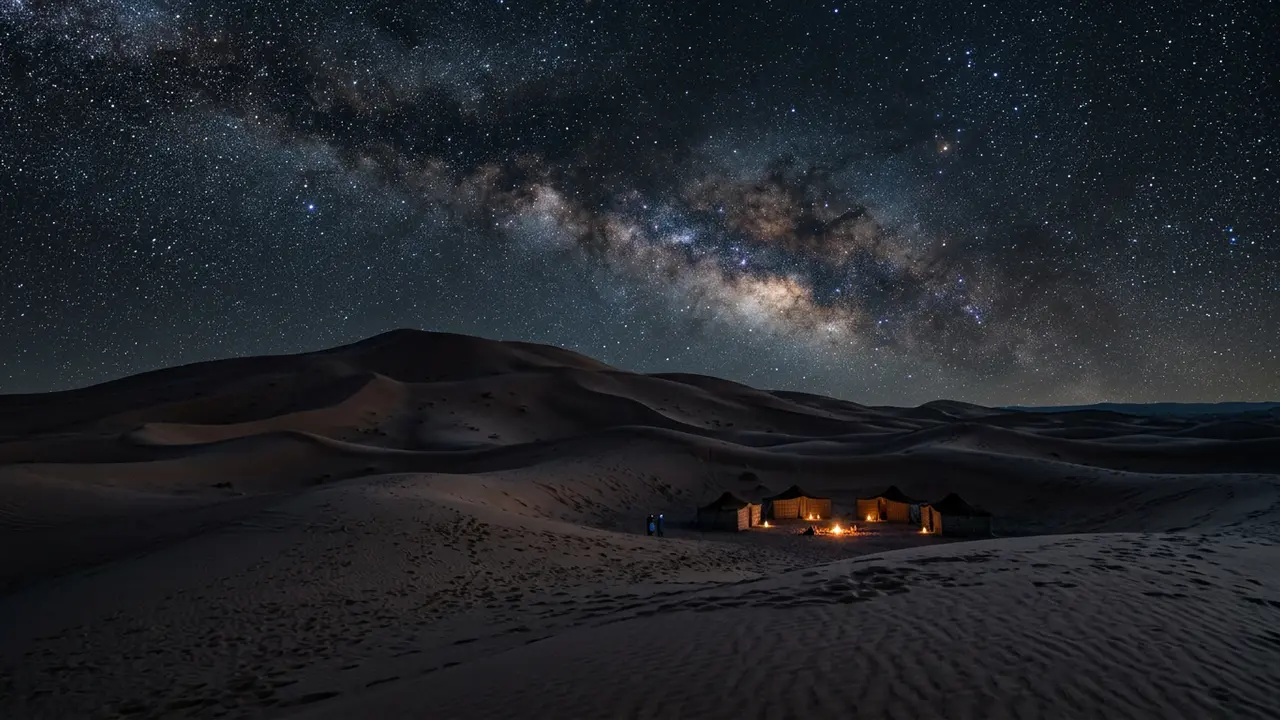
Why Merzouga Is So Dark: The Science Explained
Maya Okonkwo Updated 5 min read
Merzouga has no dark-sky certification. Its darkness comes from distance, not a badge, hundreds of kilometers from Morocco's nearest cities. Here's the science.
Read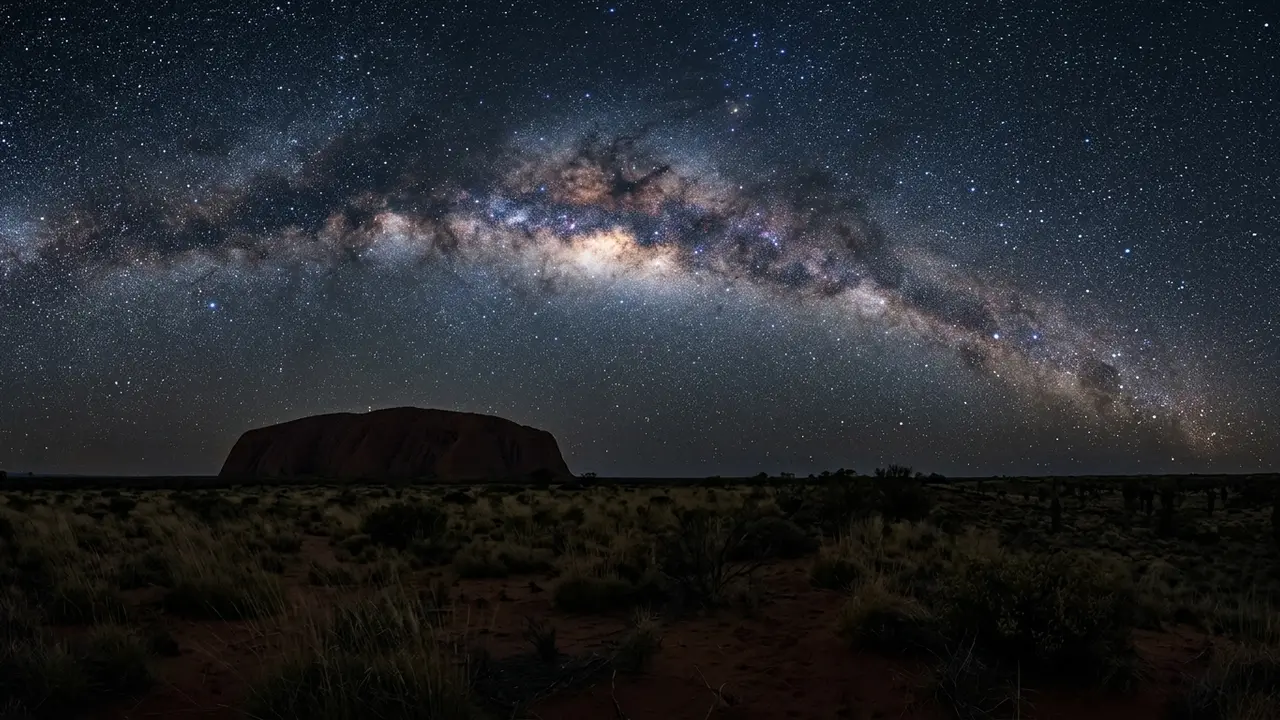
Uluru Dark Sky Explained: Why the Outback Stays So Dark
Maya Okonkwo Updated 6 min read
Uluru has no DarkSky certification. Its night sky stays dark thanks to 465km of remote desert and Anangu-led joint management, not a formal designation.
Read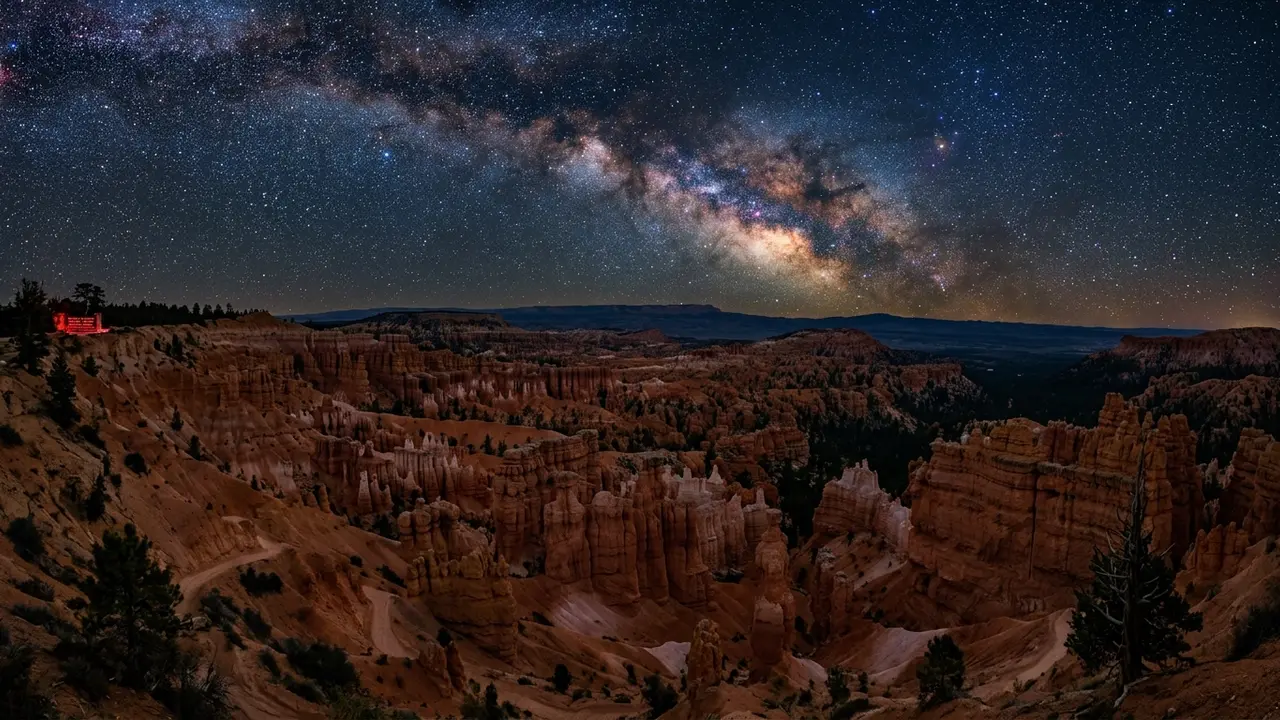
Bryce Canyon Dark Sky Certification, Explained
Maya Okonkwo Updated 6 min read
Bryce Canyon earned Gold Tier International Dark Sky Park certification in 2019. Here's exactly what that rating requires, and why elevation seals the deal.
Read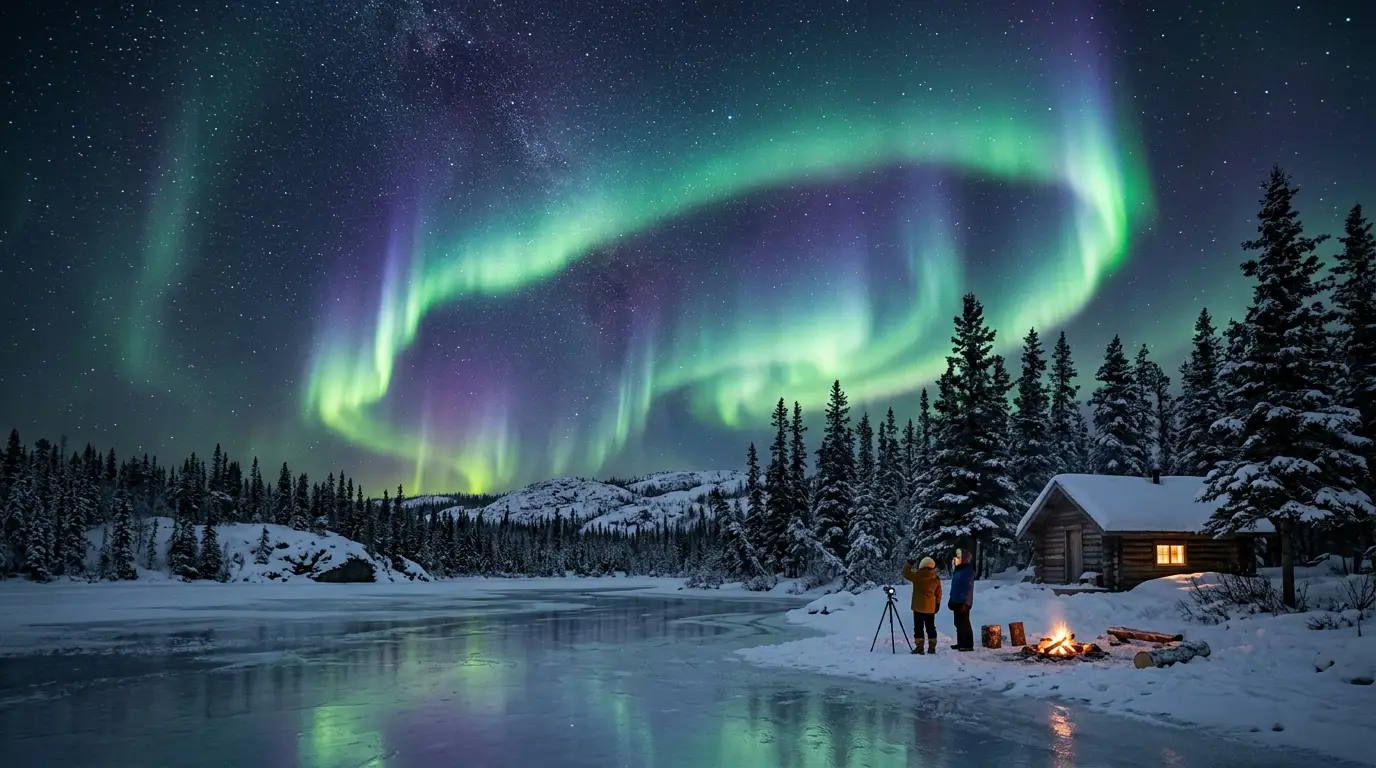
Yellowknife Auroral Oval Explained — Why It Matters
Maya Okonkwo Updated 9 min read
Earth's magnetic pole tilts the auroral oval south over Yellowknife. A magnetic latitude of 68°N plus a dry subarctic climate explain the NWT advantage.
Read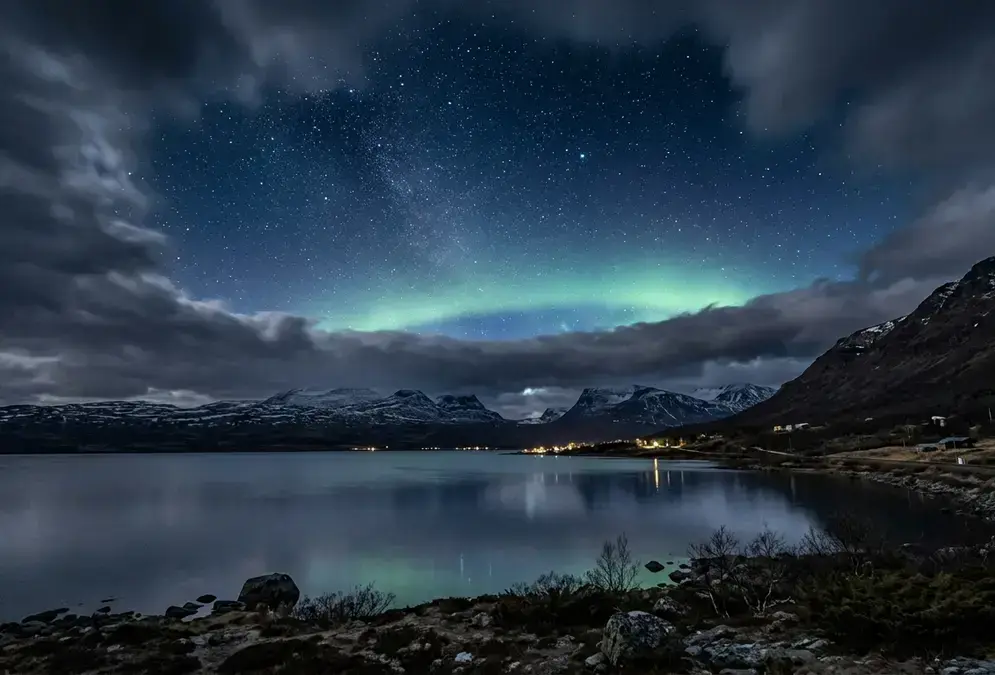
The Science Behind Abisko's Clear-Sky Microclimate
Maya Okonkwo Updated 6 min read
Abisko's clear skies aren't luck: SMHI names the village Sweden's driest, thanks to a documented rain shadow, explained here with real numbers and sources.
Read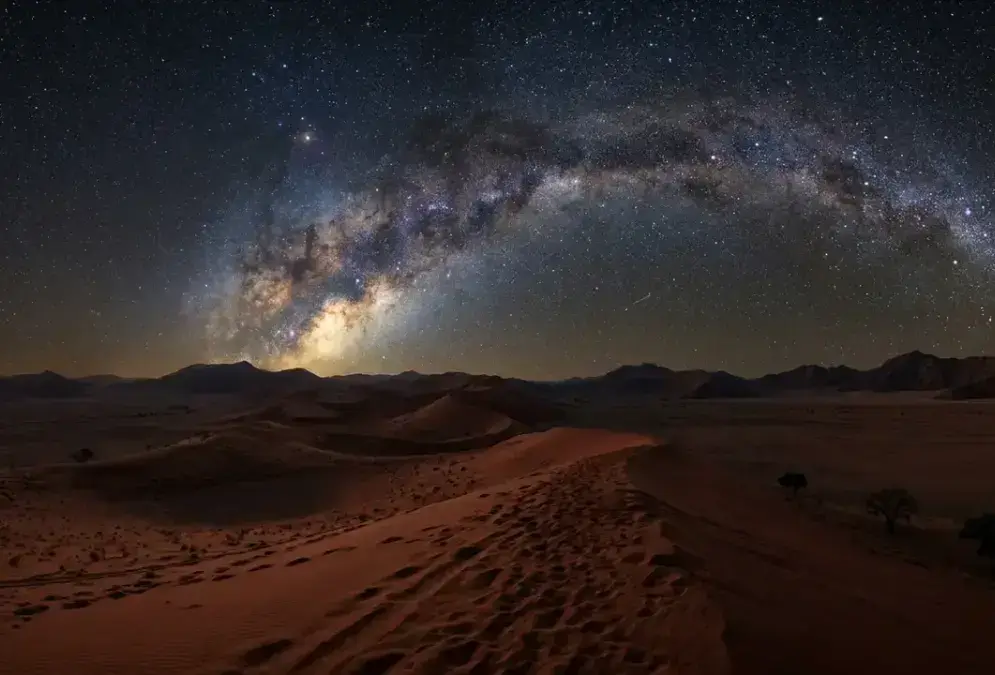
Namib Desert Dark Sky Conservation Explained
Maya Okonkwo Updated 6 min read
What Gold Tier certification actually requires, and how NamibRand fused conservation with strict lighting rules across 200,000 hectares of Namib Desert land.
Read