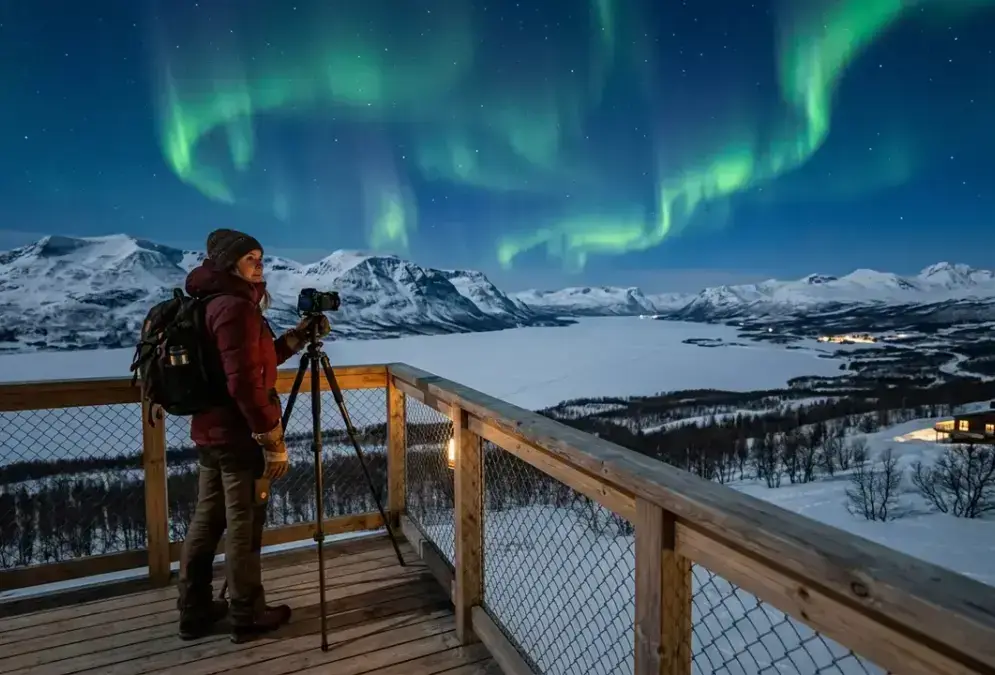

Stop counting nights, start counting attempts
Ask how many nights you need in Abisko and you'll get an answer built for a different kind of trip, a wedding, a conference, a stopover with a fixed itinerary. Aurora chasing doesn't work that way. A night with a clear sky and an active aurora is a coincidence of two separate variables, cloud cover and geomagnetic activity, and neither one reads a booking confirmation.
That's the frame worth adopting before you touch a calendar: think in attempts, not nights. One night in Abisko buys you one attempt at that coincidence. Three nights buys three. Five buys five. Nothing about a longer stay guarantees a sighting, but it does the one thing you actually control: it multiplies the number of chances you get.
Abisko Stargazing has a real structural edge here over most Arctic aurora destinations: its rain-shadow blue hole microclimate keeps skies clear more often than the surrounding region[1], which is one reason operators build entire trips around it instead of a single-night stopover. For the season calendar and the mechanism behind that microclimate, see best time to stargaze in Abisko. What this piece covers is the harder, more practical question that guide leaves open: given that edge, how many nights do you actually need to book, and how does that number change once you factor in that Aurora Sky Station itself won't refund a clouded-out visit.
Three nights: the minimum viable attempt
Three nights is the shortest stay worth calling a stargazing trip to Abisko, not two, and not one. The math is easy to skip past when you're pricing flights: your arrival day is rarely a full day. Most travelers reach Abisko by rail on the Kiruna-Narvik line, and unless you land at an unusually convenient hour, the first calendar day of a trip often ends up half-consumed by travel before you've even checked into a room.
That eats into a two-night trip more than most travelers expect. Book only two nights and you're left with one real evening on the ground before travel fatigue and a short stay force you back out, which is why two nights functions, in practice, as barely more than one real attempt. Three nights gives you two full evenings plus whatever the arrival night still allows, real shots at a night when the chairlift runs and the sky cooperates.
two nights functions, in practice, as barely more than one real attempt.
Book the Aurora Sky Station Abisko Night Visit for your best-forecast evening, not automatically the first night you arrive. Capacity is capped at just 40 spots a night, and STF recommends booking in advance[2], so lock in a date as soon as your travel dates are fixed, then keep the actual viewing night flexible within your stay if timing allows. Three nights gives you room to make that kind of small adjustment. One night doesn't: if the single evening you booked clouds over, there's no second attempt left.
Five nights: buying real odds, not a guarantee
Five nights doesn't multiply your odds by some fixed factor, whatever number a travel blog wants to sell you. What it buys is a genuine buffer against the two things that sink a short trip: a multi-day stretch of overcast weather, and a quiet run on the Kp index, where geomagnetic activity simply isn't strong enough to produce a visible display even under a clear sky.
Aurora season in Abisko runs roughly late August through late March or April, long enough that both good and bad weeks happen inside it. A three-night trip booked into a bad week has no room to wait out a weather system passing through. A five-night trip does. You're not buying a better average night, you're buying insurance against a bad stretch landing on top of your only shot. That distinction matters most for travelers flying in from outside Europe, for whom a wasted week isn't a quick weekend redo, it's the whole trip.
That buffer matters more in Abisko specifically because of how Aurora Sky Station books its Night Visits: capped nightly capacity, advance sale, and a chairlift that simply doesn't run in genuinely severe weather. A five-night stay leaves room to move your own plans to a better-forecast evening within the same trip, something a three-night stay leaves very little room to do.
Turning extra nights into repeat attempts at Aurora Sky Station
A longer stay only helps if you actually use the extra nights to try again, and Aurora Sky Station makes that possible, at a cost. Because the operator has no weather-based rebooking or refund policy, a five-night stay effectively functions as buying two or three separate attempts at the same experience, rather than relying on the operator to move your date for free.
Recommended tours
Tours are selected for quality, not commission. I earn a small fee if you book — at no extra cost to you.

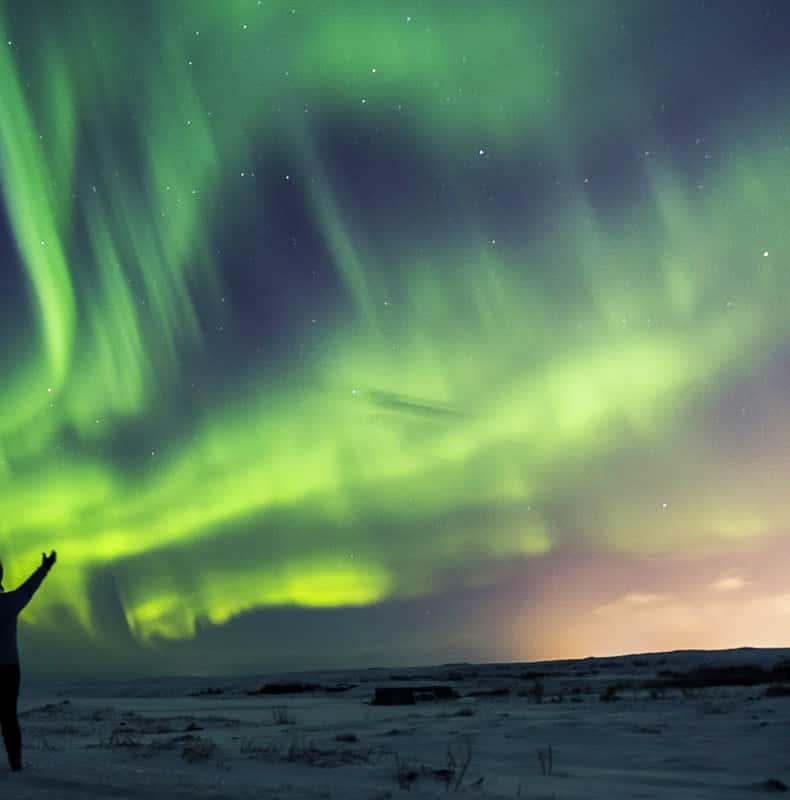


- Book your first Night Visit for the earliest clear-forecast evening, not automatically night one of the trip
- Hold at least one additional night unticketed, so you can book a second Night Visit once you see how the forecast shifts
- Stay at STF Abisko Turiststation, right at the chairlift base, if repeat attempts are the priority; skipping the transfer back and forth from Kiruna matters more on a trip built around trying twice
Deciding which night to actually spend your reserved slot on is its own small skill. Check a short-range forecast, not a seasonal average, once you're two or three days out, and move your second Night Visit onto whichever evening looks clearest rather than defaulting to the night before you fly home. A reserve night spent out of habit on the last evening of the trip defeats the whole point of holding it back in the first place.
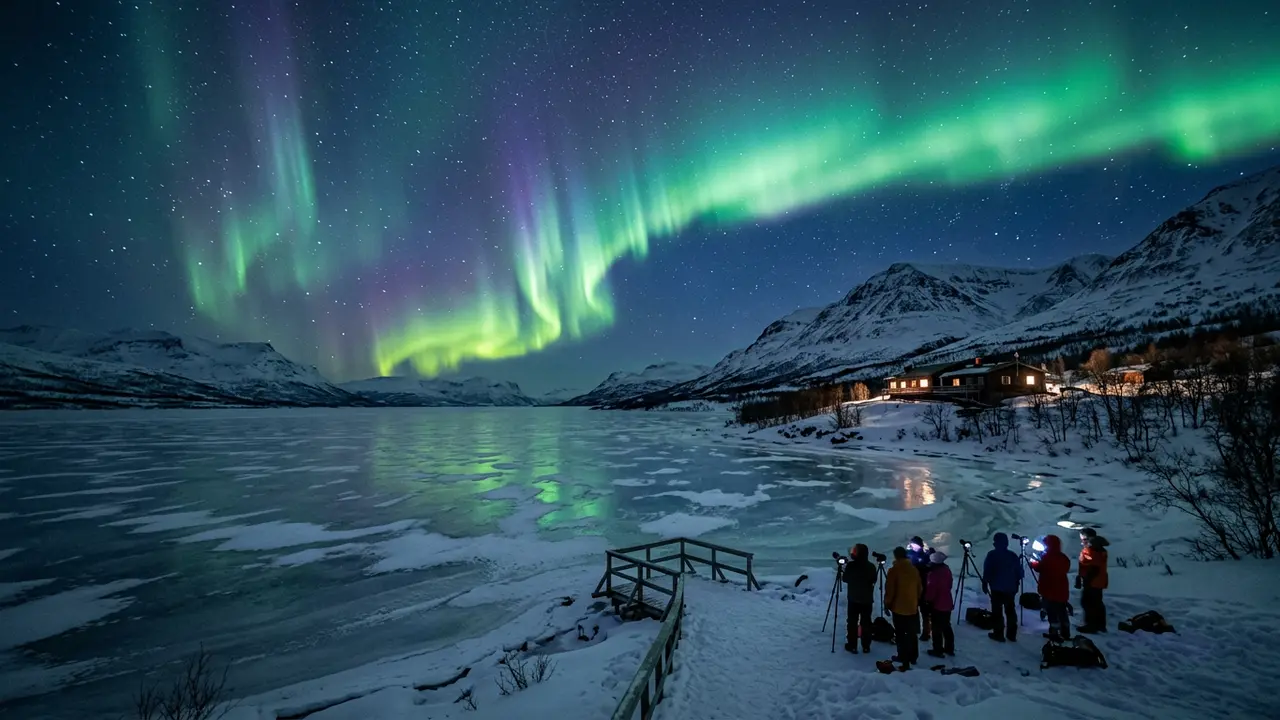
Featured · Destination
Abisko Stargazing
Abisko's rain-shadow microclimate keeps skies clear when nearby Arctic spots cloud over. Aurora season, the Sky Station, ICEHOTEL, and getting there by train.
With only 40 spots a night and STF recommending advance booking[2], a repeat-attempt strategy only works if you book early rather than waiting to see how the first night goes. If your first Night Visit gets clouded out, you want a ticket for night three already secured, not a scramble the morning after a bad night.
What happens when weather cancels your night
Here's the detail that should shape how many nights you book, more than any odds calculation: Aurora Sky Station's booking becomes binding once its cancellation window passes, and no refund is issued if weather prevents the chairlift from running[3]. In genuinely severe Arctic weather, the program substitutes a wood-fired Lavvu session in the national park instead, guides walking guests to nearby viewing spots rather than the mountaintop terrace, and that substitution carries the same non-refundable terms. A single-night booking isn't just a bet on the aurora appearing, it's a bet on the weather cooperating with the mechanical operation of a chairlift, with your money already spent either way.
None of this is a knock against the operator. Weather-dependent tourism works this way almost everywhere, and STF is upfront about the policy rather than burying it in fine print. What it does mean is that the economics of a short trip shift once you actually read it: a single night at Aurora Sky Station is a fragile bet with no insurance, and the only insurance on offer is booking more nights, not a better refund policy. Read the terms before you book, not after a clouded-out night leaves you wishing you had.
“we cannot guarantee that you will see the Northern Lights, as it is a natural phenomenon”
So, how many nights should you actually book
If your schedule and budget only allow three nights, book it, and book the Aurora Sky Station Night Visit for your best-forecast evening rather than automatically night one. Three nights is the floor, not a guarantee, but it's real: two or three genuine attempts rather than one.
If you can stretch to five nights, spend them in Abisko itself before adding a second destination to the itinerary. A detour to Kiruna or Norway's coast sounds appealing on paper, but neither buys another shot at Abisko's aurora once you've left. Five nights in Abisko, not five nights split across two towns, is what actually improves your odds.
- Three nights: the practical minimum for anyone treating Aurora Sky Station as the trip's centerpiece. Book one Night Visit ticket early, and treat a second attempt as a bonus if weather or budget allows it.
- Four to five nights: the range worth targeting if seeing the aurora, not just visiting Abisko, is the actual goal of the trip. Enough room to lose a night or two to weather and still get a real attempt in.
- Six or more nights: rarely necessary just for aurora odds. Past five nights, the marginal benefit is small compared to picking a longer stay for other reasons entirely, hiking the Kungsleden trail in shoulder season, or splitting time between Abisko and the Kiruna/Jukkasjärvi area an hour east.
| 3 nights | 5 nights | |
|---|---|---|
| Real attempts at a clear, active-aurora night | 2-3 | 4-5 |
| Room to move your Night Visit to a better forecast | Minimal | Yes |
| Buffer against a multi-day cloudy stretch | None | Real buffer |
| Cost of one weather-cancelled booking | High share of trip lost | Low share of trip lost |
Whichever number you land on, book it as attempts, not nights. That's the whole shift in thinking this piece has been arguing for: a stay that's long enough to survive a bad night or two, not a stay that assumes the first evening will simply deliver.