Articles
Dark sky travel stories and planning essays (Page 3)
Long-form pieces I write on aurora science, astrophotography how-tos, destination deep-dives, and practical planning essays for dark-sky trips.
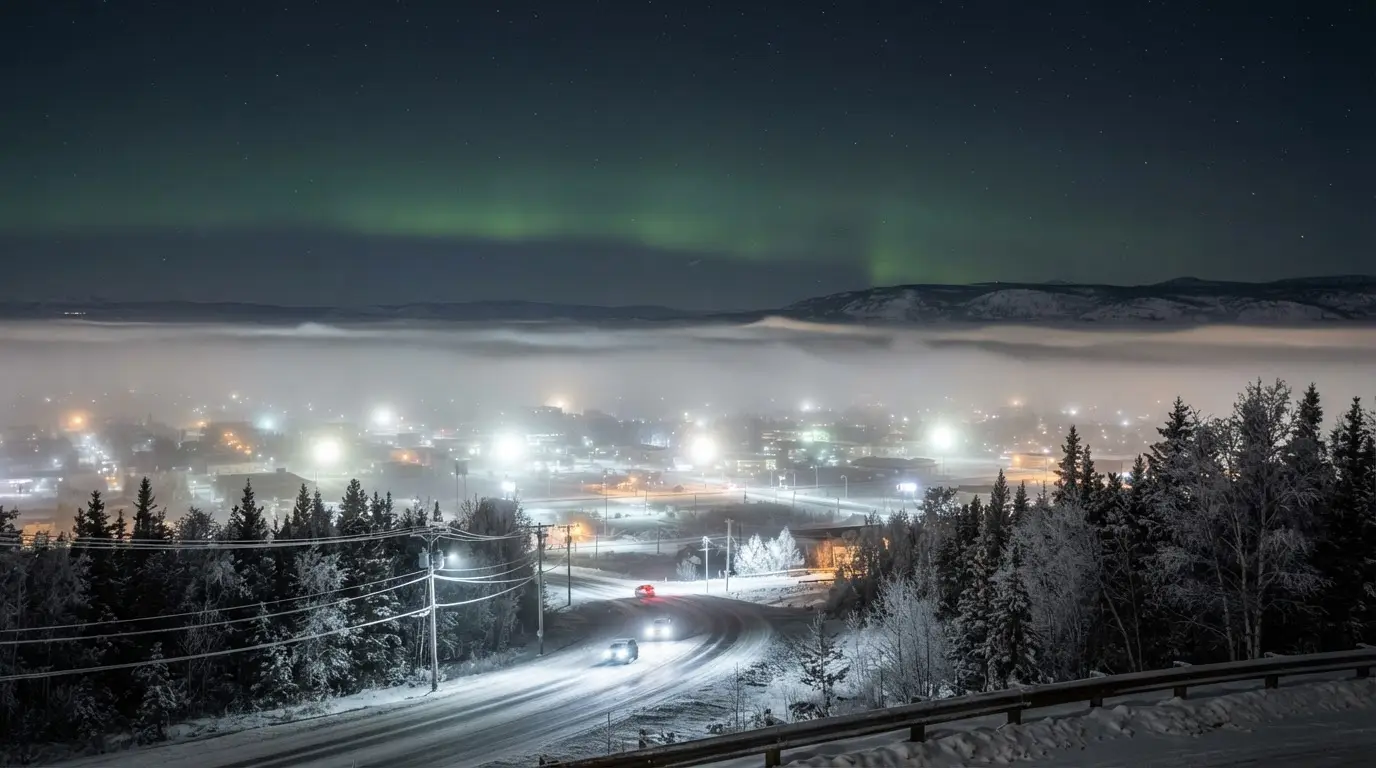
Fairbanks Ice Fog Aurora: Why It Hides on Clear Nights
Maya Okonkwo 7 min read
A clear Kp forecast doesn't guarantee a visible Fairbanks aurora. Below -30°F, ice fog and extreme temperature inversions can hide it from the valley floor.
Read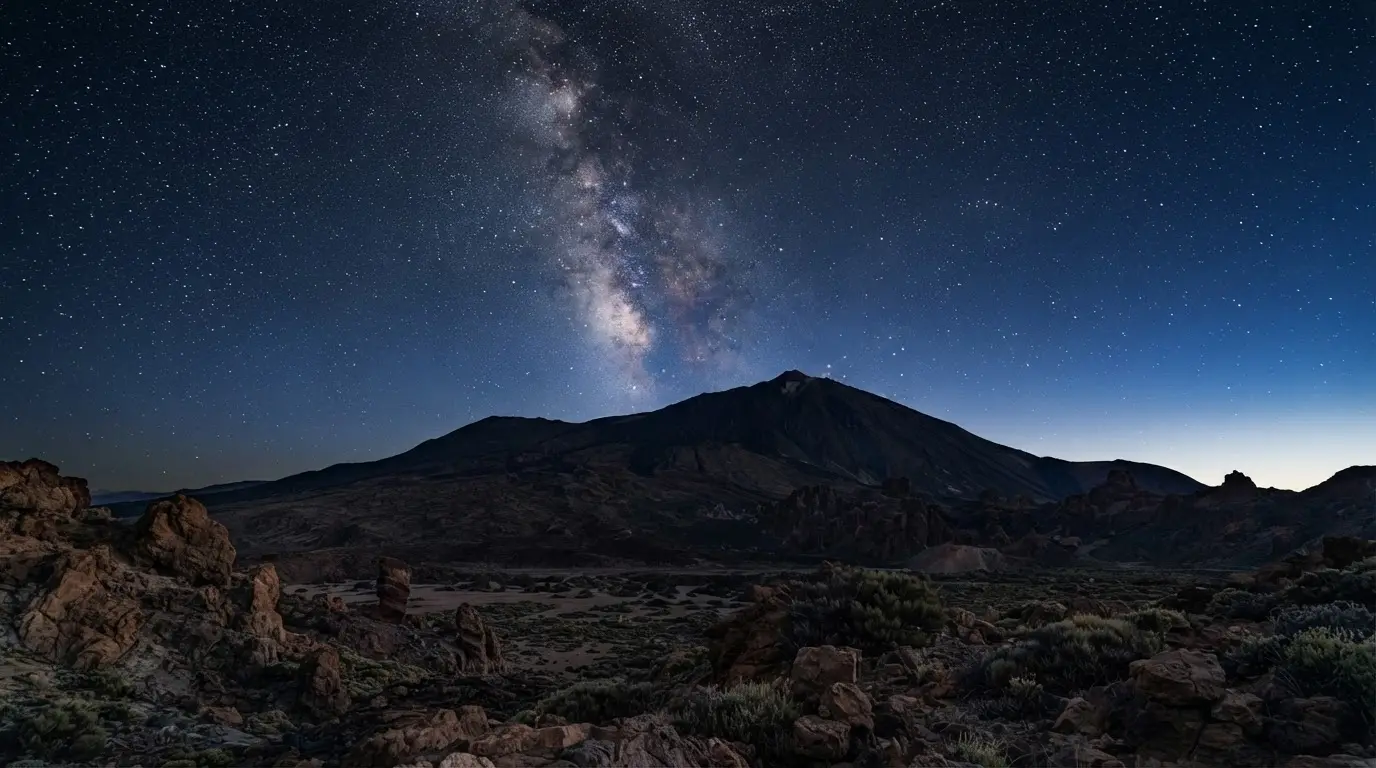
Guanche Star Myths of Tenerife: Guayota and Achamán
Maya Okonkwo 6 min read
Guayota, Achamán and Chaxiraxi: the Guanche cosmology that made Tenerife's Teide the gate to hell, and why the volcano it named guards a protected dark sky.
Read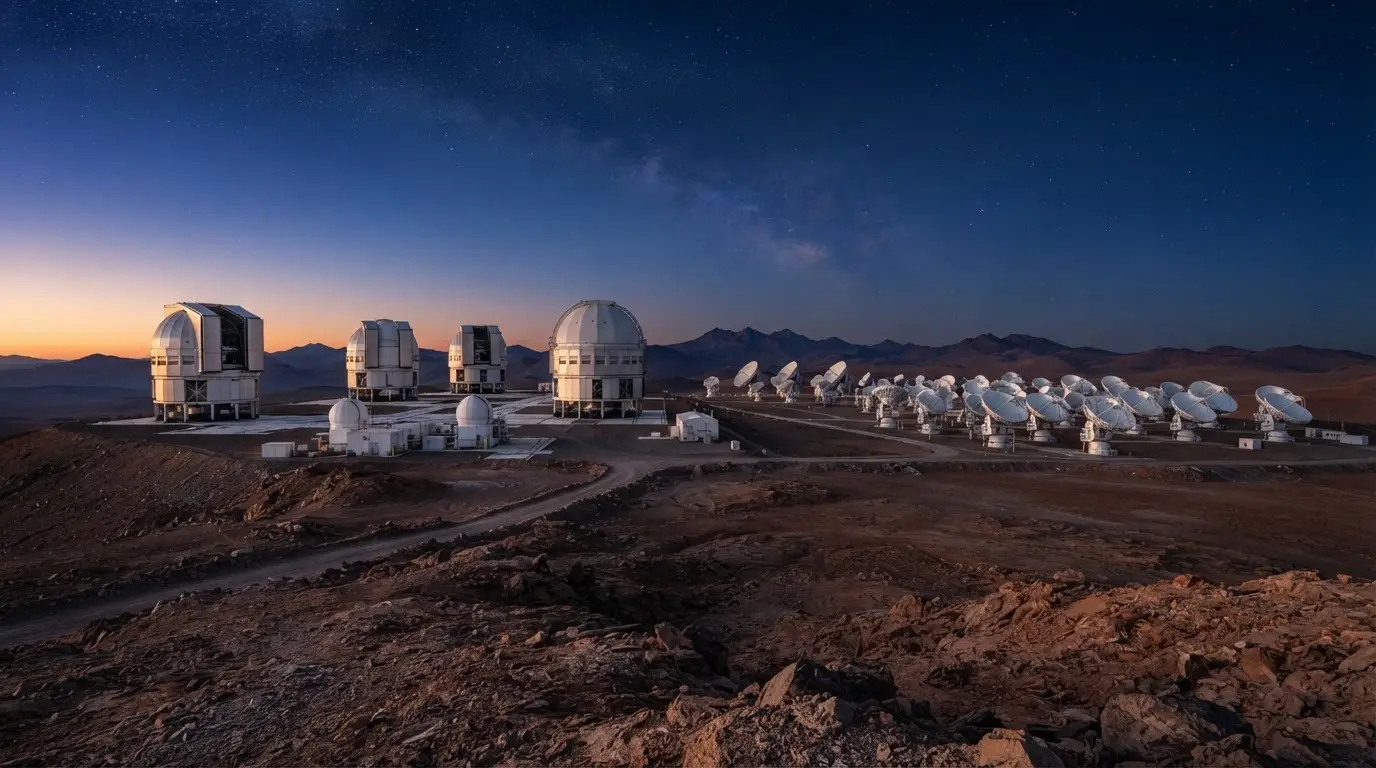
Atacama Observatories Explained: ALMA, Paranal & the ELT
Maya Okonkwo 8 min read
ALMA's 66 antennas, Paranal's VLT, and the 39 m Extremely Large Telescope under construction: how Atacama's observatories work, and how to visit for free.
Read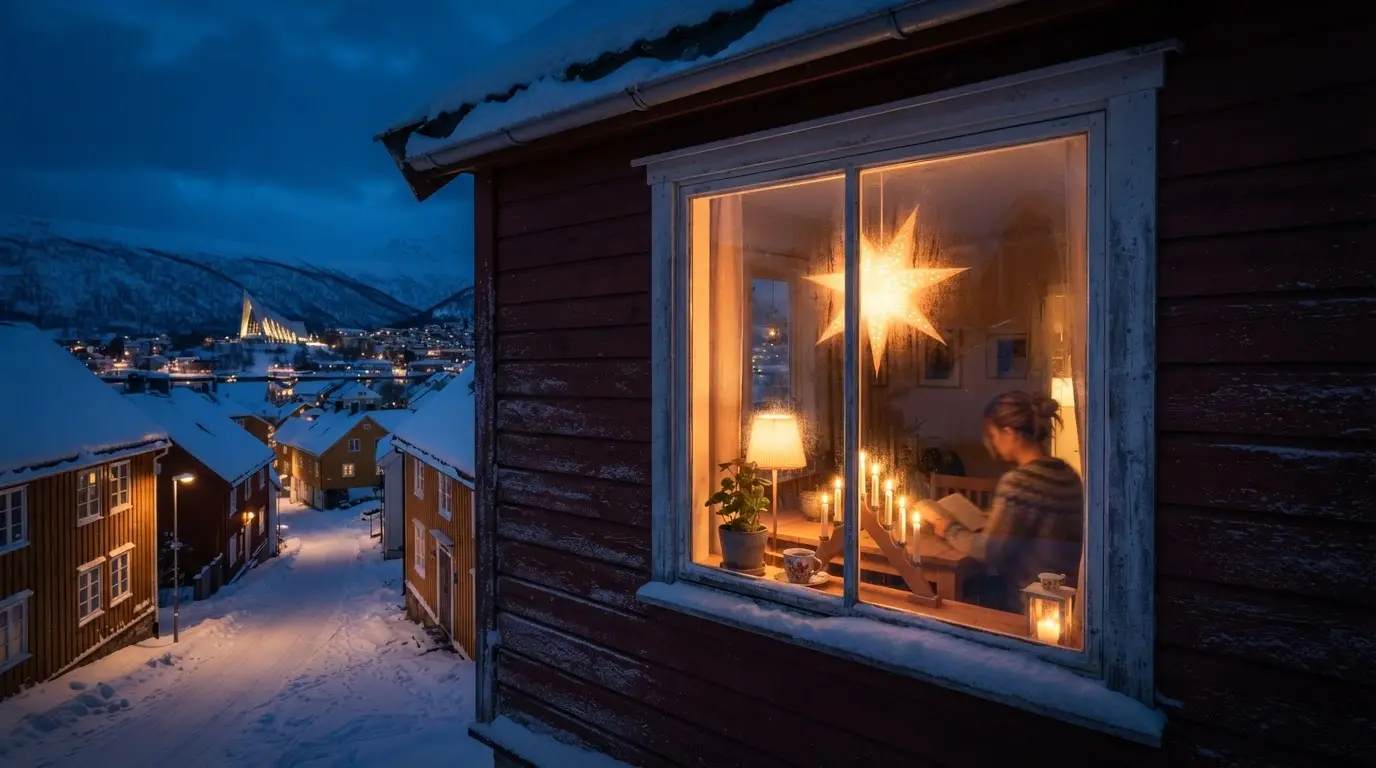
How Do People Survive Polar Night in Tromsø? The Mindset Science
Maya Okonkwo 5 min read
Tromsø's polar night lasts two months with no sunrise, yet locals don't dread it. A Stanford psychologist's peer-reviewed study explains the science behind it.
Read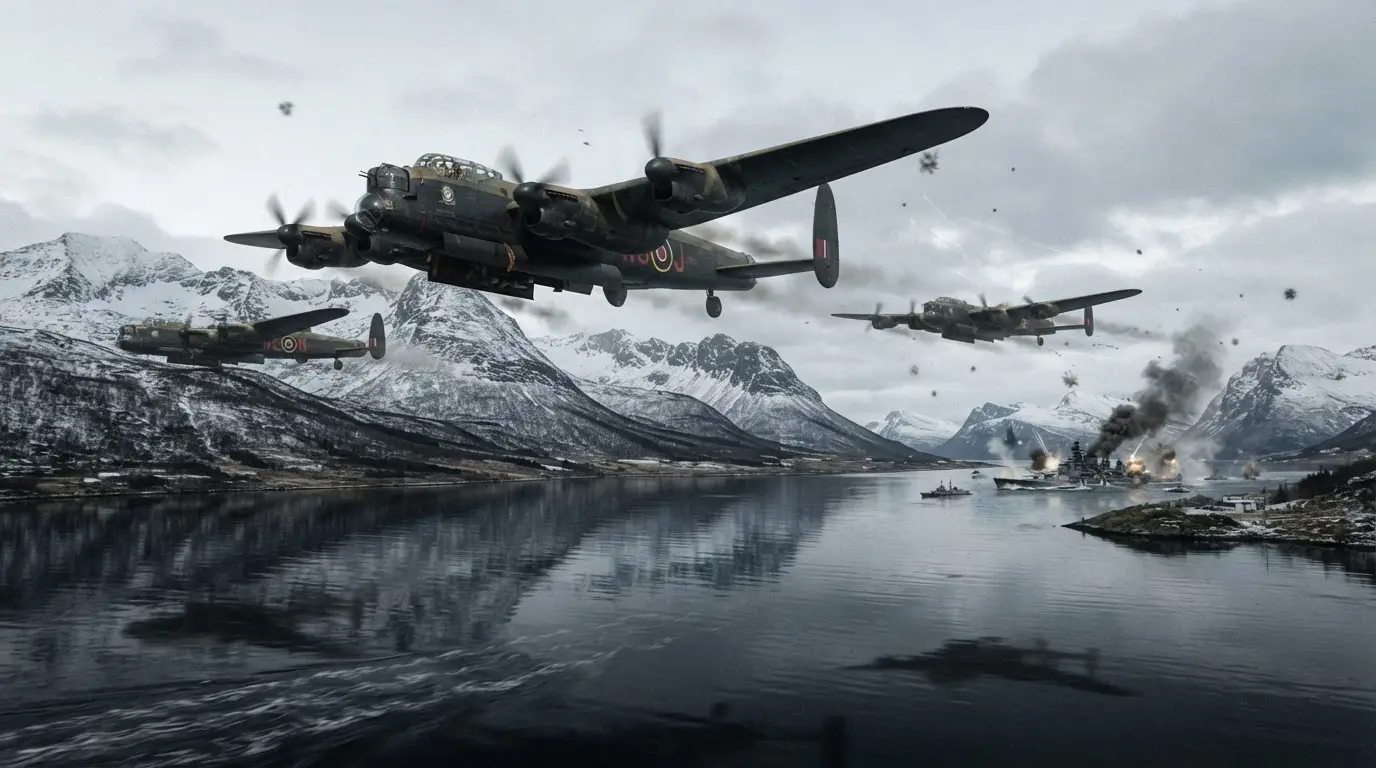
Tirpitz Sinking at Tromsø: Inside the RAF's Final Raid
Maya Okonkwo 5 min read
On 12 November 1944, 32 RAF Lancasters sank the battleship Tirpitz off Tromsø with Tallboy bombs, after six earlier attempts had failed to finish her.
Read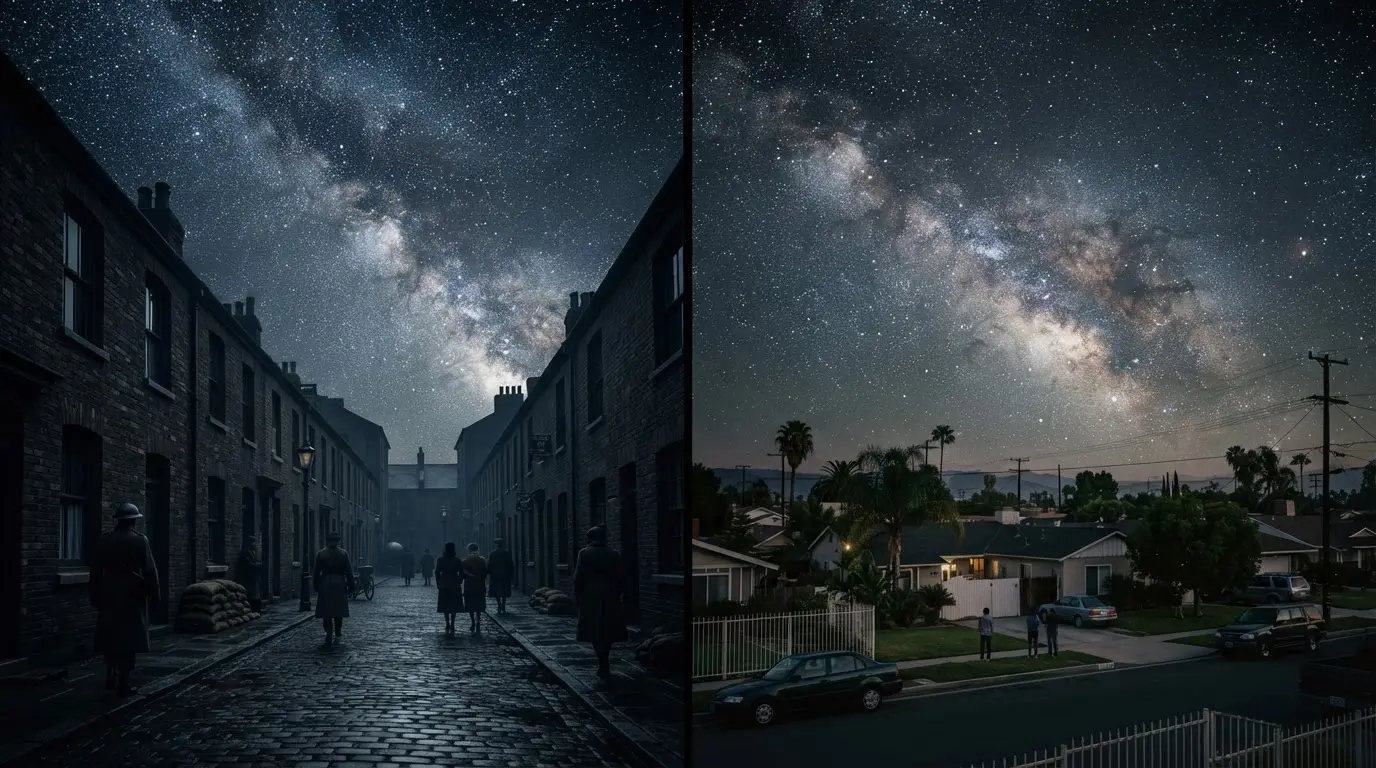
WWII Blackouts Rediscovered the Stars: The 1994 LA Encore
Maya Okonkwo Updated 6 min read
Britain blacked out for five years in WWII and no one wrote about the stars. In 1994 LA lost power for one night and people called 911 about the Milky Way.
Read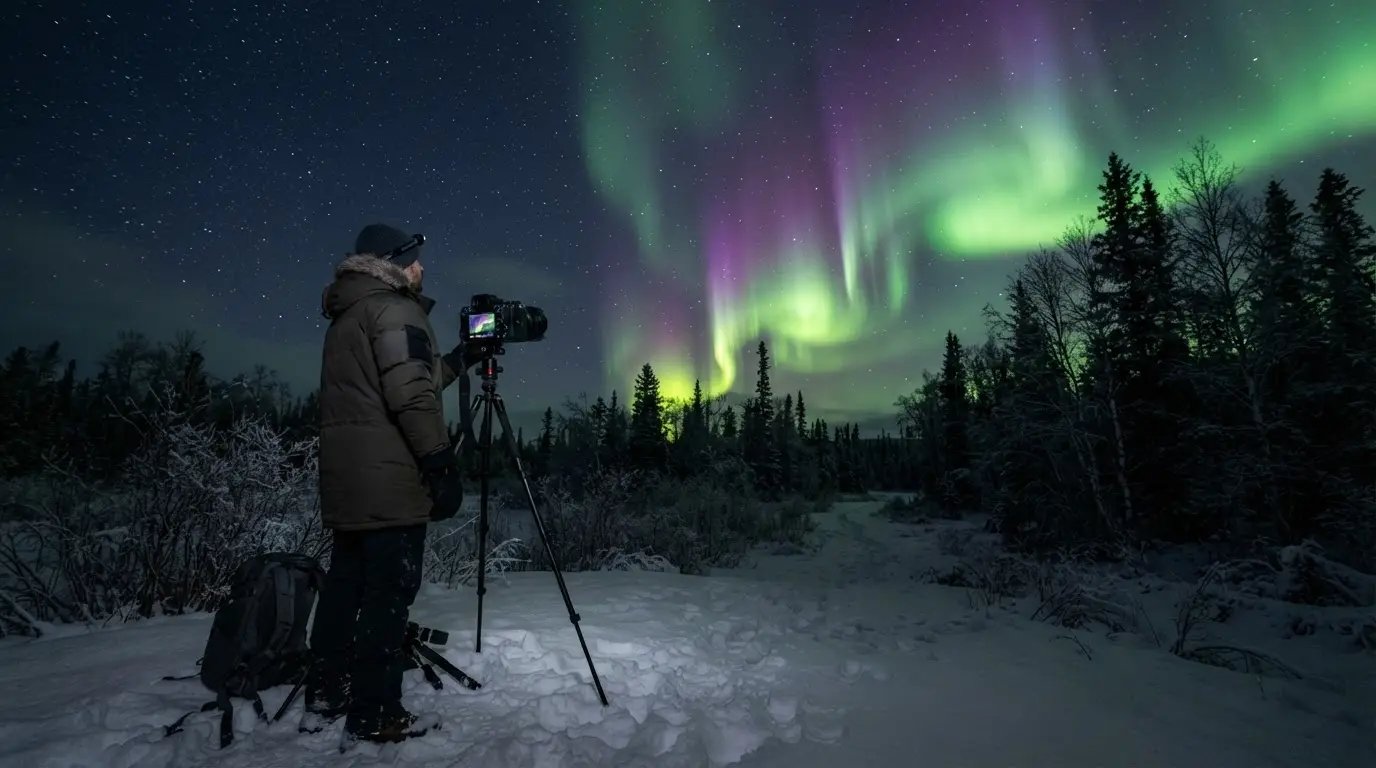
Why Don't Northern Lights Look Like the Photos?
Maya Okonkwo 5 min read
Fairbanks aurora photos look neon and vivid because camera sensors gather light your rod cells can't. The real vision science, and what you'll actually see.
Read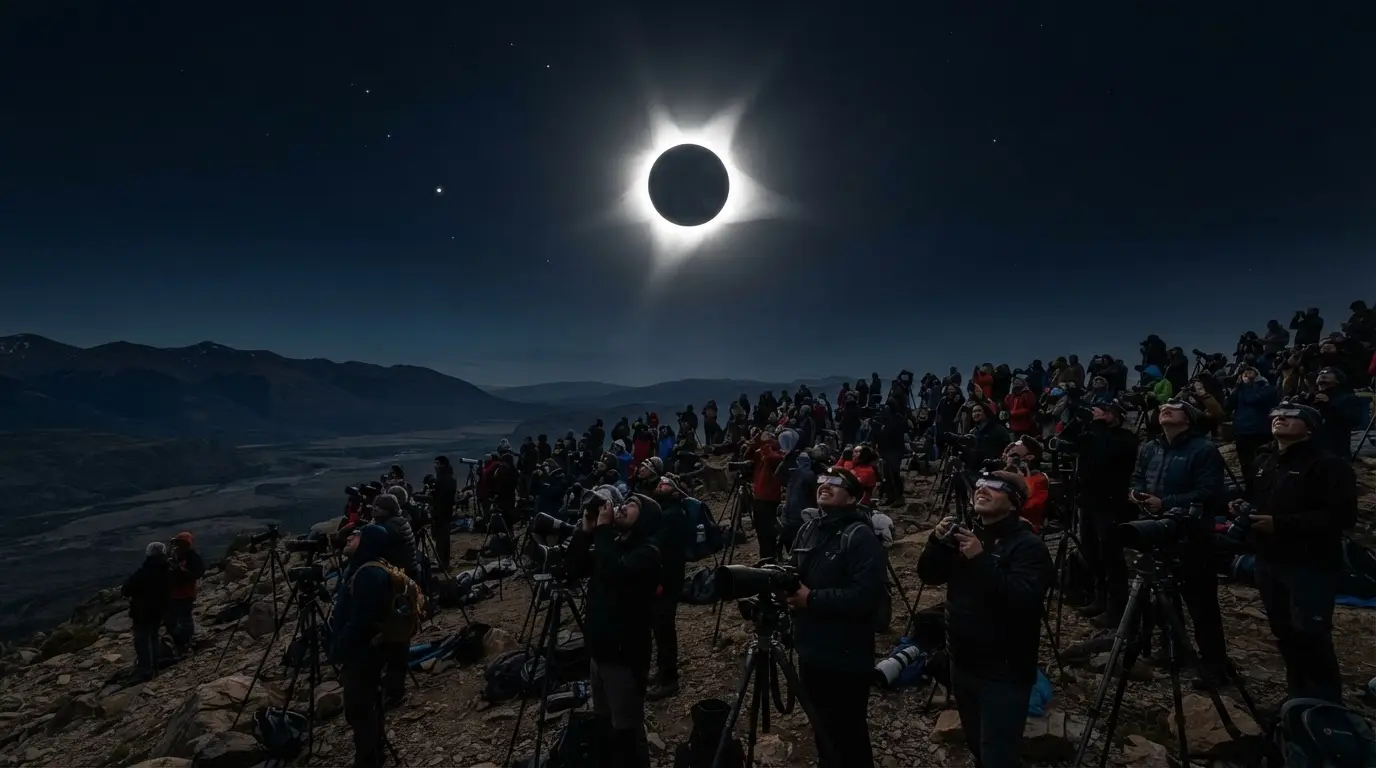
Eclipse Chasers and Umbraphile Culture: Inside Totality
Maya Okonkwo 8 min read
Umbraphile means shadow-lover. Meet the eclipse chasers who've logged 35 total eclipses, and the psychologist explaining why they can't stop chasing shadows.
Read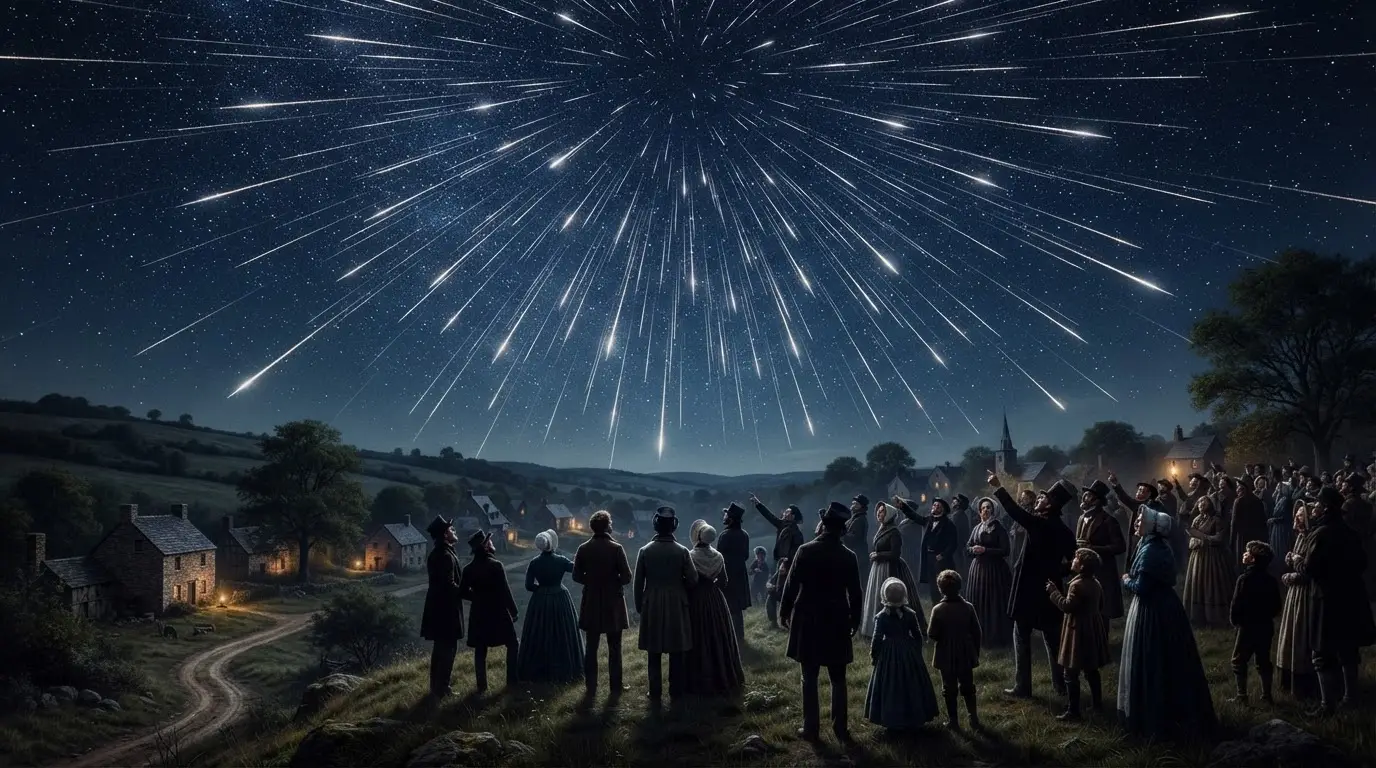
The 1833 Leonid Meteor Storm That Proved Meteors Come From Space
Maya Okonkwo 5 min read
On November 12-13, 1833, over 240,000 meteors fell across North America in nine hours, convincing a Yale professor meteors come from space, not the atmosphere.
Read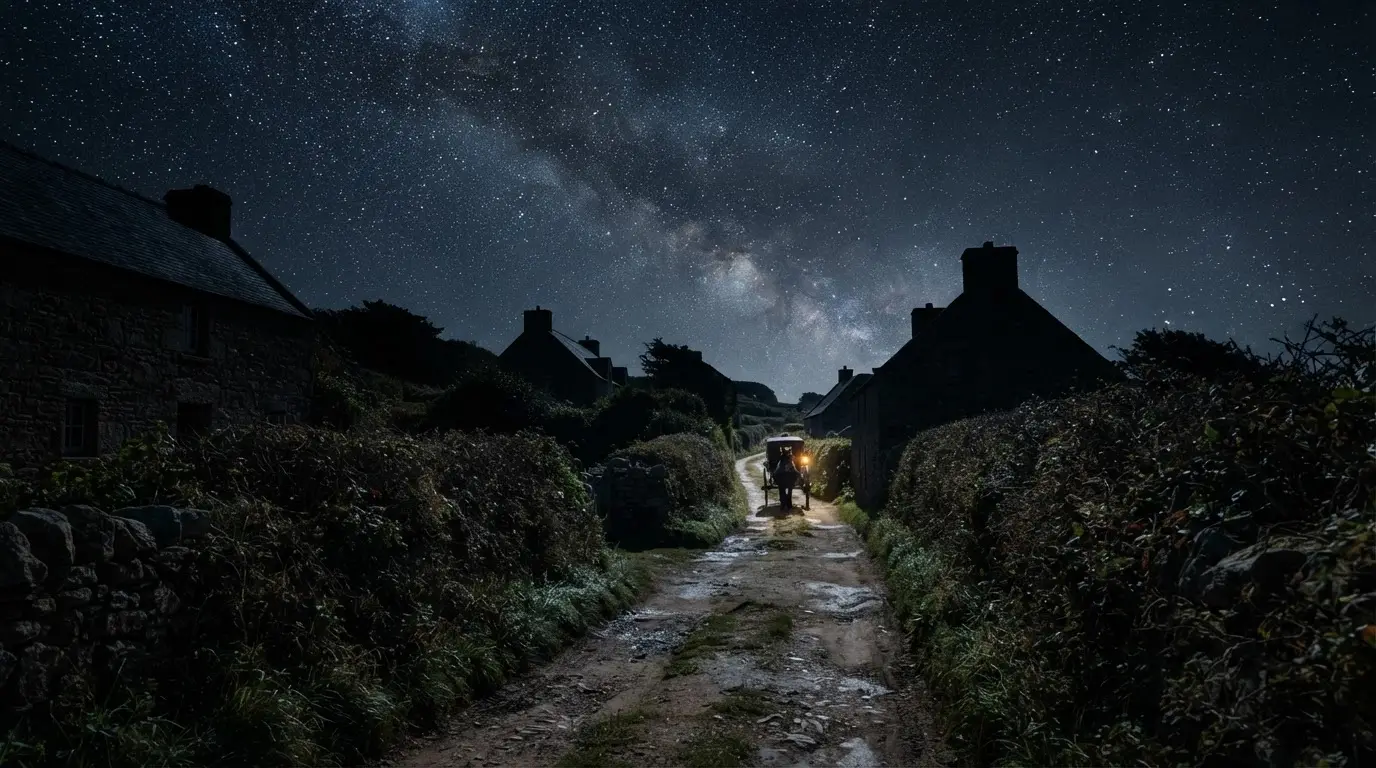
No Cars, No Streetlights: Sark, the World's First Dark Sky Island
Maya Okonkwo 5 min read
Sark has zero cars and zero streetlights by law. In 2011 it became known as the world's first Dark Sky Island, though the real certification tier is Community.
Read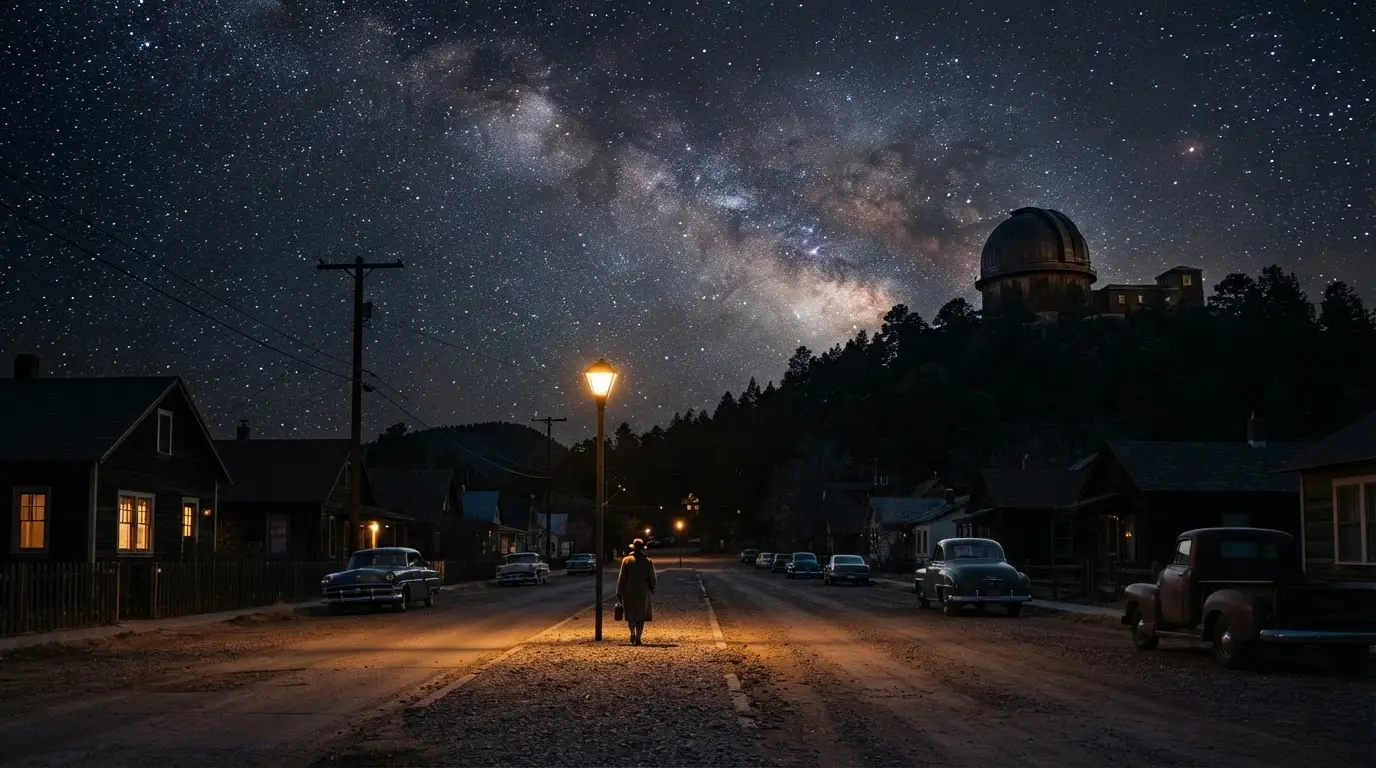
How Flagstaff Began Protecting Its Night Sky in 1958
Maya Okonkwo Updated 3 min read
A searchlight dispute pushed Flagstaff to regulate outdoor lighting in 1958. Decades of further decisions made it the first International Dark Sky City.
Read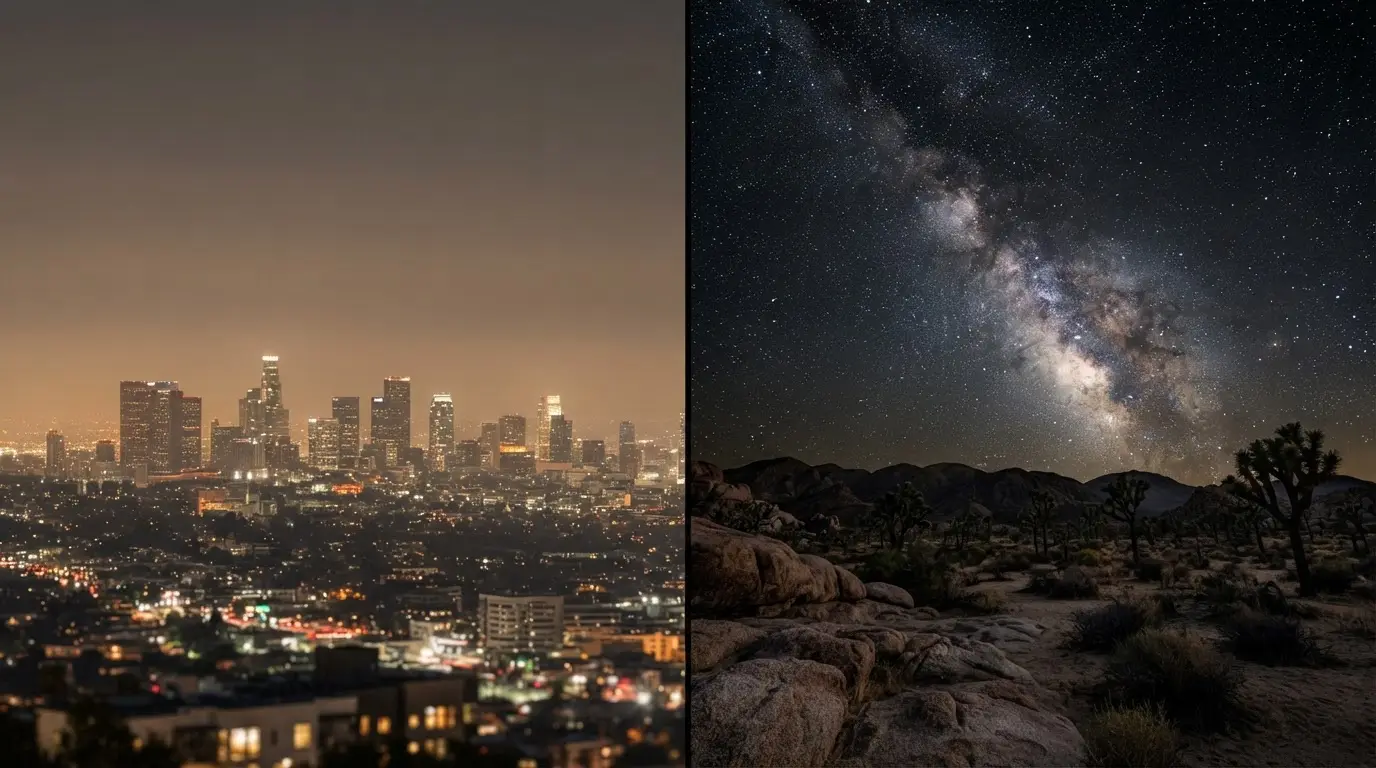
Why We Can't See the Milky Way Anymore
Maya Okonkwo Updated 3 min read
The Milky Way hasn't gone anywhere. A 2016 atlas mapped its disappearance from view; later observations reveal how artificial light changes the sky we see.
Read