The Jasper Dark Sky Festival, and why the dates matter
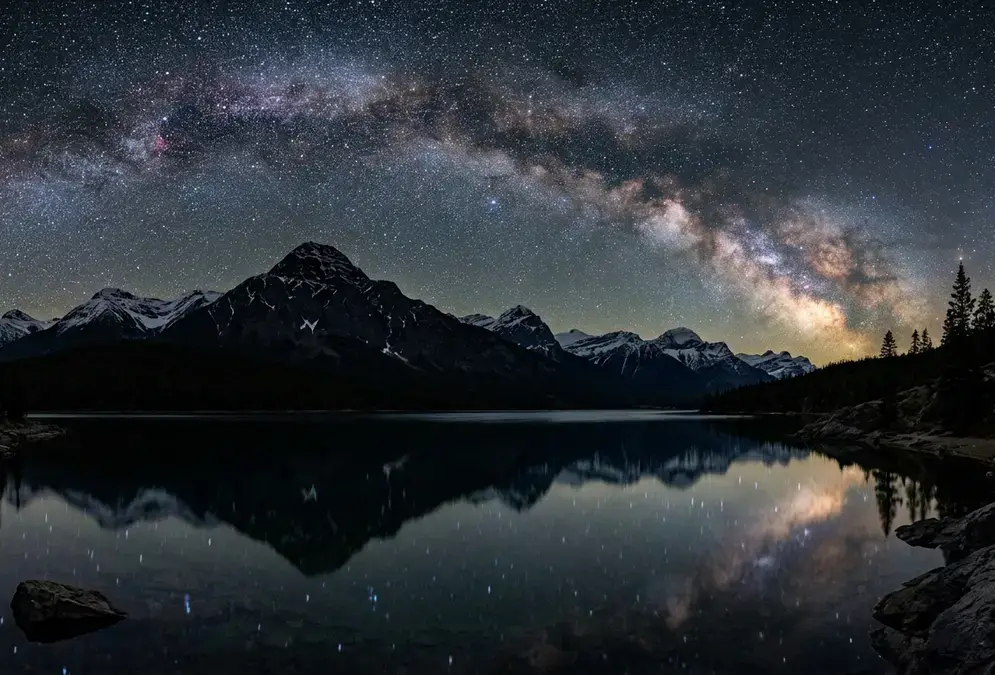
Jasper National Park protects one of the largest Dark Sky Preserve zones in the world, a designation from the Royal Astronomical Society of Canada that limits light pollution across the park boundary and the townsite itself. That's a more modest, verifiable claim than the world's largest accessible superlative you'll sometimes see in travel marketing[1].
The festival runs October 16-25, 2026[2], a ten-day stretch built around the shoulder season, when nights are long enough for serious viewing but summer's crowds and prices have already thinned out — and it marks the festival's return after the 2024 wildfire forced its first-ever cancellation. Read what the fire changed and what's back for 2026 visitors. Coverage of the 2025 edition put it at 15 years running, dating the festival's founding to roughly 2011[3], long enough that Jasper's tour operators and its planetarium have built real infrastructure around festival week instead of treating it as a one-off.
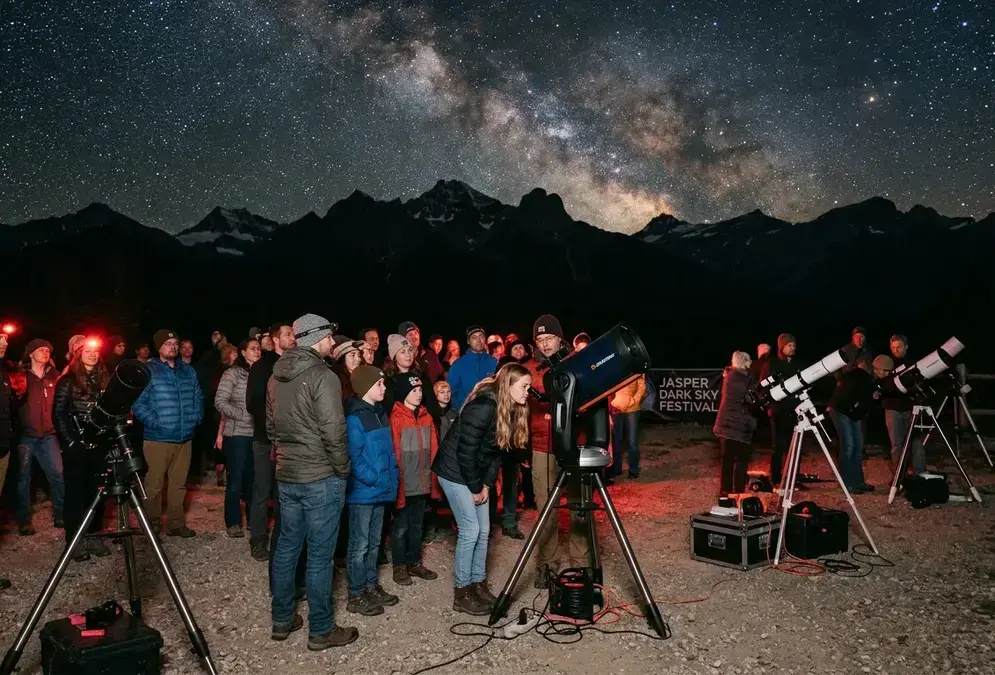
The event runs each year with backing from Tourism Jasper and volunteer support from the RASC Edmonton Centre, whose members staff most of the telescope stations and solar-viewing sessions[4]. That local backbone matters if you're the type of traveler who wants a real astronomer next to the eyepiece, not just a rented telescope on a folding table.
15
The audience skews broad on purpose. Families show up for a first look through a real telescope, astrophotographers come for the darkest nights of the shoulder season, and plenty of visitors are simply combining an Icefields Parkway road trip with a reason to stay up late. None of that is required to have a good night. A curious visitor with a warm coat covers most of it.
If you're weighing Jasper against other dark-sky destinations, the Stargazing in Jasper National Park hub covers park access, lodging, and tours year-round. This guide covers festival week specifically.
What's actually on the program
Past editions of the festival built programming around three pillars: talks, telescope time, and family activities. The 2026 lineup is now published, and it keeps that same structure: dated highlights include a Symphony Under the Stars concert on October 17 and a Bahamas Concert on October 24[7], alongside returning staples like ScienceFest and Blast Off with the ERC. The official events page has the full day-by-day schedule.
Recent editions have included:
- Guest speakers from space and science fields, including ISS astronaut Robert Thirsk, space-medicine researcher Kris Lehnhardt, and quantum-science instructor Timothy Friesen[5]
- Telescope stations aimed at targets like Sirius and the Andromeda Galaxy, plus daytime solar-gazing sessions run by the RASC Edmonton Centre with dedicated solar telescopes
- Planetarium shows at the the evening planetarium session in Jasper, the dome venue housed inside Fairmont Jasper Park Lodge[6]
- Family and community events, including kids' science demos, a rocketry demonstration from the Edmonton Rocketry Club, and in some years a live outdoor concert
Featured · Destination
Stargazing in Jasper National Park
Jasper National Park is widely called the largest accessible Dark Sky Preserve in Canada: 11,228 km², an October Dark Sky Festival, and a 38-seat planetarium.
None of this requires owning a telescope or reading a star chart. The star party format is built for walk-up visitors: you queue at a station, someone points the eyepiece, and you look.
Daytime sessions vs. the main event after dark
Solar-gazing sessions run during the day, using specialized filtered telescopes that make it safe to look directly at the sun's surface, sunspots included. RASC Edmonton Centre volunteers run these as a warm-up act for what most visitors actually come for: the after-dark telescope stations and the planetarium's evening shows, once the sky is dark enough for a first-timer's eyes to adjust.
What tickets cost, and how the pricing works
Jasper runs the festival on a mixed pricing model rather than one flat entry fee. Events like ScienceFest, the Jasper Rocketry Lab, the Slooh Airstream Experience, fireside chats, and concerts are free. Ticketed sessions run from $10 for After Dark Trivia with Alan Nursall up to $295 for A Night Under the Stars, a fully-catered overnight stargazing experience, with a Night Photography Tour at $103.95 and the After Dark Small Group Photo Tour at $185 filling the middle tiers[7]. A free evening lecture and a small-group astrophotography session with gear provided are not the same product, and the pricing reflects that.
A meaningful part of the festival, including most family activities, doesn't require a ticket at all. The paid tier is for guaranteed seats at named speaker talks, small-group photo and astrophotography tours, and the overnight stargazing experience.
| Experience type | Typical price |
|---|---|
| ScienceFest, fireside chats & most family activities | Free |
| After Dark Trivia with Alan Nursall | $10 |
| Night Photography Tour | $103.95 |
| After Dark Small Group Photo Tour | $185 |
| A Night Under the Stars (overnight) | $295 |
The official events page lists full 2026 pricing session by session. If cost is the deciding factor in whether Jasper stargazing makes sense for your trip at all, not just festival week, the honest breakdown is in Is Jasper worth it for stargazing.
Where to stay, and why you book early
October in Jasper is shoulder season: quieter than summer, with softer lodging rates than the peak months. That's the good news. The bad news is that festival week reverses the discount for a short window: rooms inside and near the townsite, and the popular ticketed sessions, both tend to sell out well ahead of the October dates.
Fairmont Jasper Park Lodge is worth knowing about specifically. It's the venue that houses the Jasper Planetarium[6], so staying there, or at least budgeting an evening at its dome, puts you inside the festival's most consistent programming instead of driving in for it. Beyond that, the townsite itself is walkable to most daytime festival venues, which matters if you're going from a 6pm fireside chat to a 10pm telescope session on the same night.
Recommended tours
Tours are selected for quality, not commission. I earn a small fee if you book — at no extra cost to you.
Beyond the Fairmont, Pyramid Lake Lodge sits directly on the lake, one of the park's best stargazing viewpoints, and quieter cabin-style stays exist further from the festival crowds for those who want distance after a busy program day.
Book your room the same week you book festival tickets, not after. Both compete for the same short supply of October nights.
What to pack for a festival night
October in Jasper means shoulder-season weather: daytime highs of roughly 3 to 7°C, but nighttime lows near -5°C once the sun is down and you're standing still at a telescope station. That's cold enough for a proper base layer and a real jacket, but it's Rockies-elevation cold, not Arctic cold. You don't need the expedition-grade kit built for a Tromsø or Fairbanks winter.
Pack in layers: a warm base layer, an insulated mid-layer, and a windproof shell for standing outside between telescope turns. Bring a red-light headlamp for evening sessions[8]. It's a small thing, but the festival's dark-sky etiquette depends on it: red light preserves everyone's night vision, including yours, once your eyes have adjusted. The full kit breakdown, scaled to Rockies cold rather than Arctic cold, is in Jasper stargazing gear.
Read next · Article
Jasper Stargazing Gear: A Rockies Night-Sky Packing List
Layers, a stable tripod, a red headlamp, and bear spray: the gear that actually matters for a night under Jasper's Dark Sky Preserve, and what you can skip.
A few practical extras help more than people expect: a thermos of something hot, an extra pair of socks, and hand warmers if you run cold. If you're driving between festival venues after dark, Icefields Parkway sections and back roads can ice over even in October, so treat night driving with the same caution you'd use in January.
Can you see the aurora during the festival?
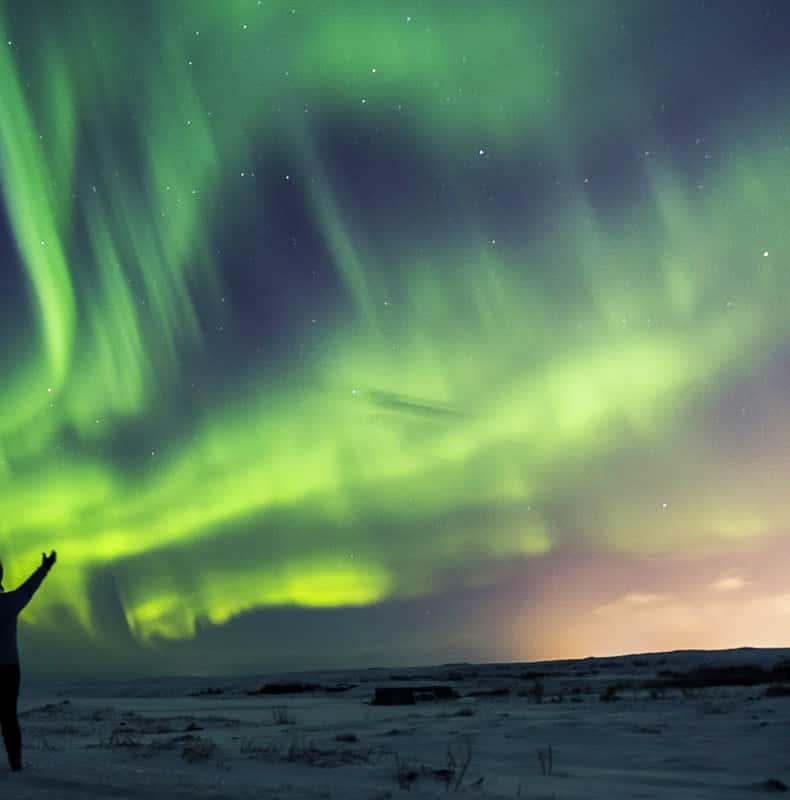
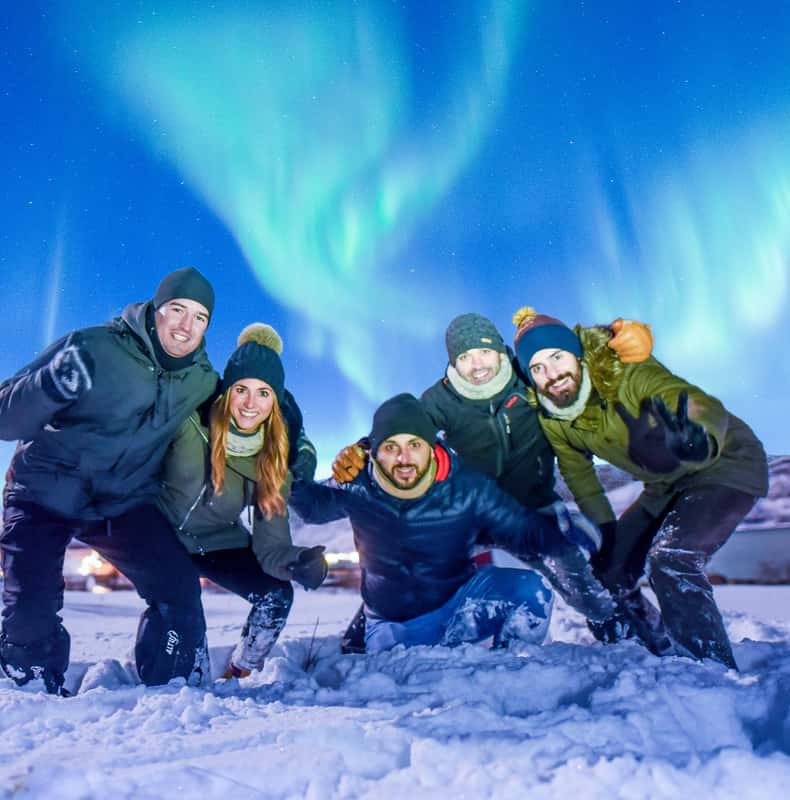
Alberta sits far enough north that aurora sightings do happen around Jasper, especially during active solar periods, and a festival night with a strong geomagnetic storm is a genuine bonus. But Jasper isn't an aurora-chasing destination the way Tromsø or Fairbanks is, and the festival isn't built around aurora forecasting. Plan your trip around the confirmed program, the telescope stations, and the planetarium. Treat any aurora as a bonus, not the reason you booked.
A few other things worth knowing before you go: you don't need to own a telescope (every festival edition runs walk-up telescope stations for exactly that reason), most daytime and early-evening events work fine for families, and Jasper's park entry fee is charged separately from festival tickets, so budget for both. For the rest of the year's viewing conditions outside festival week, see best time to stargaze in Jasper.
If aurora forecasting is genuinely your priority, Tromsø, Fairbanks, and Iceland handle that trade differently, with longer viewing seasons and marketing built entirely around the Kp index. Jasper's pitch is different: a confirmed calendar of programming you can plan a flight around, with aurora as whatever bonus the solar cycle hands you that week.