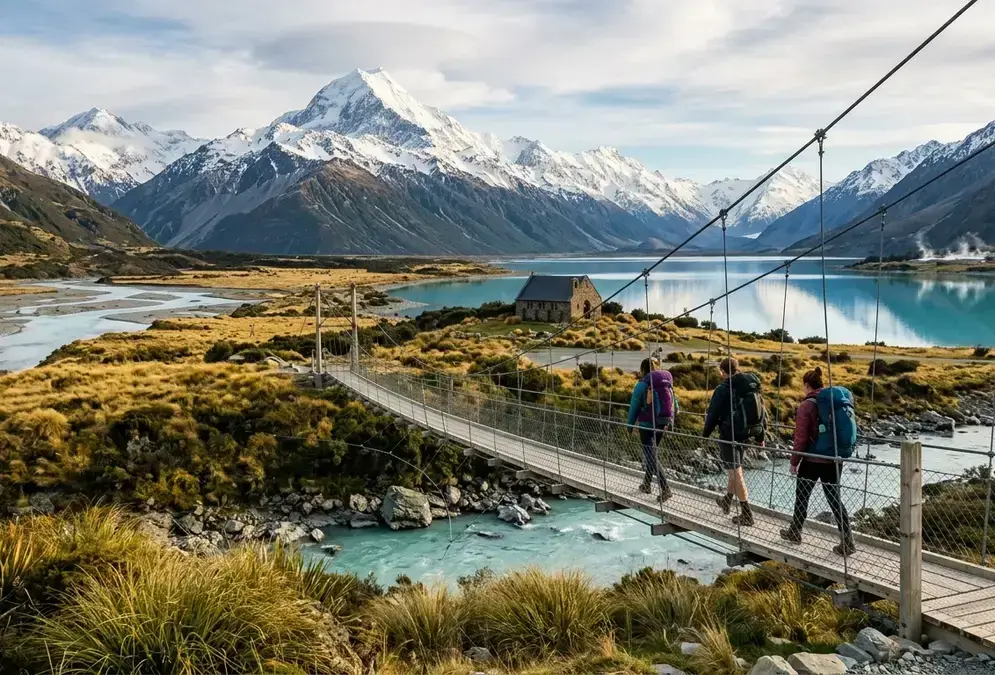

The Hooker Valley Track: Aoraki Mackenzie's essential day hike
The Hooker Valley Track is the region's signature walk, and it earns that reputation without asking much of anyone's fitness. It's a 10 km round trip taking three to four hours including the return, climbing only 124 metres over five kilometres, gentle enough for hikers of most abilities rather than a technical alpine route. Three swing bridges cross the valley's braided river channels, linked by boardwalks and gravel path that stay well-marked from the car park to the end[1].
10 km
The scenery builds gradually along the way. You pass:
- Mueller Lake, the first of two glacial lakes on the route
- Views of Mueller Glacier, feeding meltwater down the valley wall
- Hooker Lake, the turnaround point, sometimes carrying small icebergs calved from the glacier at its head
- Aoraki/Mount Cook itself, framed directly at the valley's end
Visit in spring and there's a fifth thing worth watching for at ground level: the Mount Cook buttercup, the world's largest buttercup species, scattered along the track's lower stretches[1].
One thing to confirm before building a day around it: the track is currently closed beyond the Kakīroa/Mount Sefton View Lookout, after flooding eroded the riverbank under one of the bridges. The Department of Conservation has a replacement bridge targeted for late July or August 2026, with full reopening hoped for later in the year[1], so check current status on DOC's site rather than trusting an older trip report. Even the shortened version to the lookout is worth the walk; Hooker Lake itself just isn't reachable until the bridge work wraps up. For the fuller picture of the reserve beyond this one trail, from getting to Lake Tekapo to where to stay, see Aoraki Mackenzie stargazing.
Lake Tekapo and Lake Pukaki: turquoise water and scenic drives
Both lakes get their turquoise colour from the same source: rock flour, a fine, powdery silt created as glaciers grind bedrock into dust, then carried into the lake basins by connecting rivers over millions of years[2]. Lake Tekapo picks up the effect from rivers feeding in off the surrounding mountains; Lake Pukaki, fed directly by glacial meltwater, carries the same colour and adds something Tekapo can't offer from its own shoreline: a straight, unobstructed view down the lake to Aoraki/Mount Cook itself[3].
The two lakes sit only thirty minutes apart by car, close enough to treat as one day rather than choosing between them[2]. Peter's Lookout, just off State Highway 8, is the classic stop: Aoraki/Mount Cook framed directly behind Lake Pukaki's turquoise water, the shot most South Island postcards of this region are actually built on[2]. On the Pukaki side, the Lake Pukaki Shoreline Walk adds a short, flat option for anyone who'd rather stretch their legs than pull over for a photo, with the same mountain view from a slightly different angle[3].
Lake Tekapo township does the heavy lifting for logistics, restaurants, accommodation, and the activities desk that books everything from Dark Sky Project's observatory tours to 4WD trips onto private stations. Lake Pukaki, by contrast, is essentially the view rather than the base: there's no township to speak of, just the lookout, the shoreline walk, and the lake itself[2].
Hot pools and wellness: Tekapo Springs and Omarama Hot Tubs
After a morning on the Hooker Valley Track, Tekapo Springs is the obvious recovery stop. Its three pools draw from an underground source rather than a geothermal one, and the water still runs a genuine 36.5°C, 37.5°C, and 38°C across the three pools, warm enough to matter after a day outdoors even though it's pumped rather than volcanic[4]. That's worth knowing before you arrive expecting a Rotorua-style geothermal soak; what you get instead is exceptionally clean, filtered water at a reliably warm temperature, which for a post-hike recovery soak is arguably the better trade anyway.
For a version that pairs the two halves of the trip directly, Tekapo Star Gazing runs a tour combining guided stargazing with a soak in the springs afterward, ending the night in warm water instead of a cold walk back to the car[2]. Book it for a night the forecast actually favours; see Best Time for Stargazing at Aoraki Mackenzie for the season-by-season odds before you lock in a date.
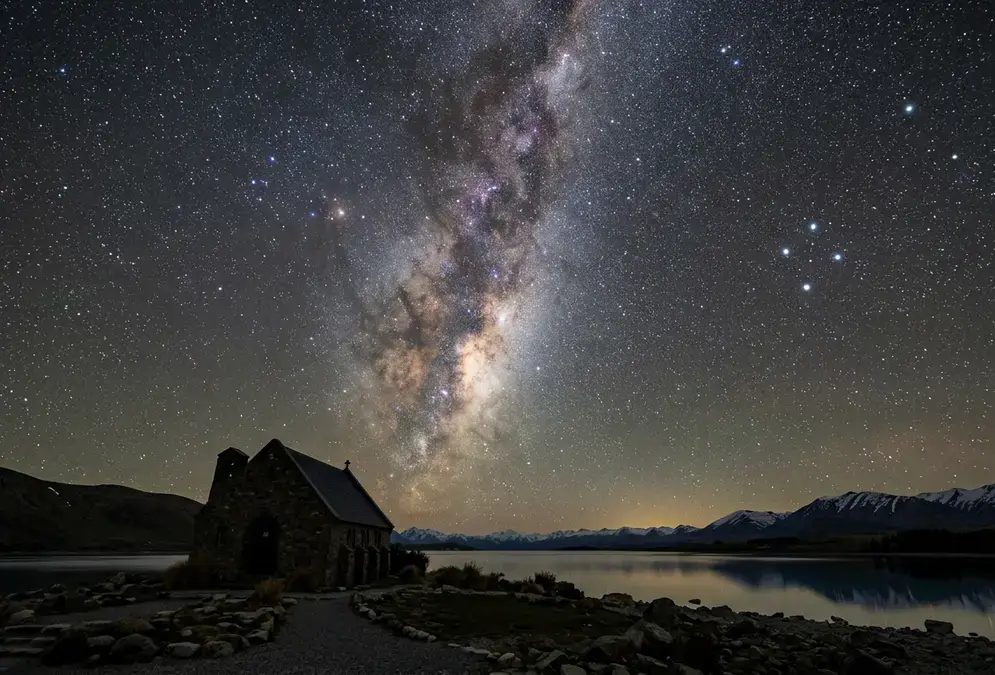
Featured · Destination
Aoraki Mackenzie Stargazing
Aoraki Mackenzie is one of only four Gold Tier Dark Sky Reserves on Earth: Bortle 2 skies over Lake Tekapo, the Southern Cross, and Mount John Observatory tour.
Omarama Hot Tubs: the quieter, private alternative
Omarama Hot Tubs, between Cromwell and Twizel on State Highway 8, trade a shared public pool for a private, woodfire-heated tub looking straight into the mountains, with your own changing room and a 90-minute soaking session rather than open-access entry[5]. It's roughly 40 minutes from Twizel and worth the detour if sharing water with a tour group isn't the point of the soak, though it sits far enough from Tekapo that it works better as an Omarama-Twizel day than a same-day Tekapo add-on.
Spring wildflowers and back-country tours
Timing matters if wildflowers are part of the draw. Lupines bloom along the Mackenzie Basin's roadsides and lakeshores from late November to early December, the same brief window most years, turning stretches of State Highway 8 into corridors of purple and pink against the turquoise water[2]. It's a narrow target: arrive even two weeks early or late and the display is mostly green stalks.
The Hooker Valley Track has its own spring specialty in the Mount Cook buttercup, but the wider basin opens up further afield too. Tekapo Adventures runs 4WD and hiking tours onto private high-country stations, some large enough that a single property covers more ground than the city of Wellington[2]. That scale is hard to grasp from a car window; a guided tour is really the only way to see land like that up close, since none of it is open to casual walk-in access.
Recommended tours
Tours are selected for quality, not commission. I earn a small fee if you book — at no extra cost to you.
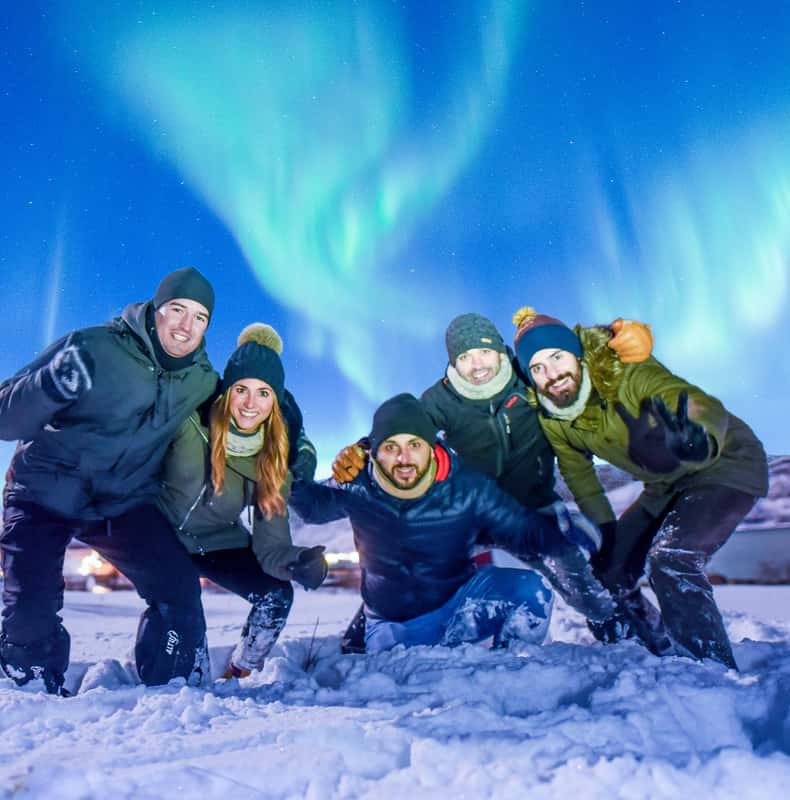
A few things are worth knowing before booking a back-country tour:
- Sessions typically run half a day, pairing naturally with a hot-pool soak or a lake walk on the other half
- Most stations require advance booking through the tour operator directly, not a same-day walk-up
- Bring a windproof layer regardless of the forecast; conditions here shift faster than the morning weather report suggests
Why the Mackenzie Basin's weather changes so fast
The Aoraki/Mount Cook region sits close enough to the Southern Alps that strong wind, sudden rain, and even summer snowfall can arrive within the same afternoon[1]. Treat that as a planning fact rather than a warning: build flexibility into any day that depends on clear conditions, whether that's a wildflower drive or a 4WD tour, instead of betting the whole day on a single forecast.
Choosing a base: Lake Tekapo, Twizel, or Aoraki/Mount Cook Village
Where you sleep decides which of these activities are a five-minute walk and which are a drive. Lake Tekapo township is the obvious default: restaurants, the activities desk, and the trailhead access roads to both lakes all cluster here[2]. Galaxy Boutique Hotel sits 500 metres from the shoreline, close enough to walk to the Church of the Good Shepherd before or after a stargazing session.
Twizel, roughly 40 minutes south, is the quieter option and usually the cheaper one too, without Tekapo's daytime tour-bus traffic around the lakeshore. Distinction Mackenzie Country Hotel anchors that choice if the savings and the quiet matter more than the walk to the lake.
Aoraki/Mount Cook Village, deeper inside the national park, is the pick if you're pairing the Hooker Valley Track with more hiking beyond it. This Mount Cook Village hotel is the only hotel actually inside the park boundary, which means no drive at all between the trailhead and the room, at the cost of sitting an hour further from Tekapo's restaurants and hot pools.
| Base | Distance to Hooker Valley trailhead | Best for | Trade-off |
|---|---|---|---|
| Lake Tekapo | ~55 min drive | Restaurants, tours, lake walks | Busiest and priciest in peak season |
| Twizel | ~45 min drive | Budget stays, quieter evenings | Furthest from the lakeshore walk |
| Aoraki/Mount Cook Village | ~5 min drive | Hiking-focused trips, no commute | Fewest dining options, priciest rooms |
Accessibility notes
Not every activity here demands fitness. The Hooker Valley Track's gentle grade suits most walkers, Lake Pukaki's lookout and shoreline stops work fine from the car for anyone who'd rather not hike at all, and the hot pools accommodate every ability once you're in the water. Weather, not terrain, is the one genuine variable to plan around[1].
Building a two- to three-day itinerary around your stargazing nights
None of the above competes with a stargazing session after dark; it fills the hours before one. A two-day split that works for most first-time visitors looks like:
- Day one: morning on the Hooker Valley Track, afternoon soak at Tekapo Springs, stargazing after dinner if the sky cooperates
- Day two: a scenic drive to Lake Pukaki and Peter's Lookout, an afternoon 4WD tour or a second lake walk, another night under the reserve's Gold Tier sky
Add a third day if a back-country 4WD tour or a private soak at Omarama Hot Tubs is on the list; both deserve a half-day slot rather than getting squeezed into an already full itinerary.
The trade-off works because almost everything above runs during daylight hours that don't compete with a clear night at all. That's different from a destination where every clear evening is precious and every day is recovery time; here the daytime half of the trip earns its place regardless of what the sky does after dark. Aoraki Mackenzie is one of the reserves profiled in best dark sky parks in the world, and the daytime side of a visit here is part of what makes the long flight worth it, not just the sky itself.
If you're travelling during the December-February peak
Summer is also the Mackenzie Basin's busiest season for everything covered above, not only for stargazing. Book Hooker Valley Track parking, Tekapo Springs, and any 4WD tour a few days ahead rather than assuming a same-day slot will be open, and expect Tekapo's small hotel stock to fill fastest around the New Year period.