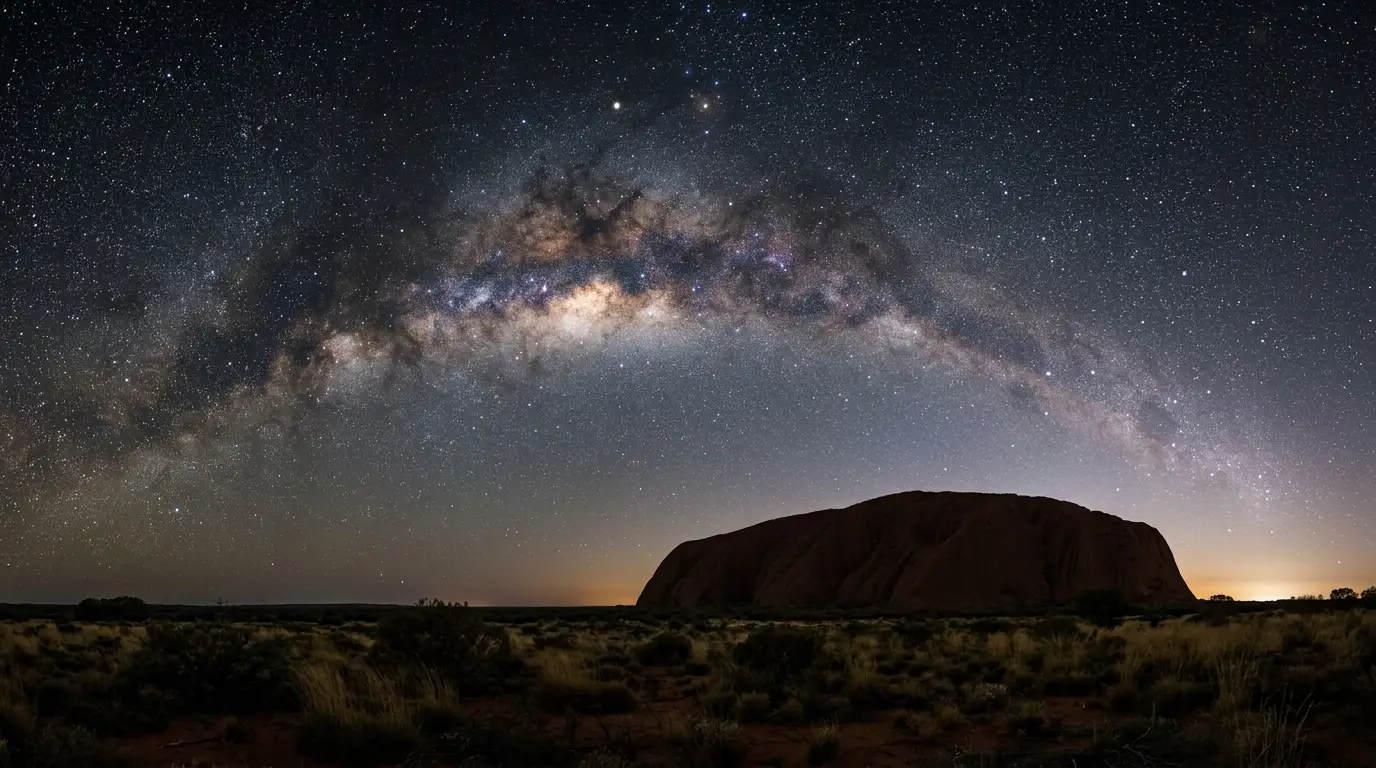

Uluru's sky doesn't need a season, but your comfort does
Most stargazing guides give the same blanket advice no matter which hemisphere you're reading from: travel in the dry season, avoid a bright moon, pack warm layers. That's broadly true at Uluru, but the reasoning behind it is different from what a guide to Tromsø or the Scottish Highlands would give you. Central Australia's interior sits far enough from any city that its night skies are routinely described as Bortle Class 1-2, the darkest end of the light-pollution scale, and that rating doesn't shift with the calendar the way it does at destinations closer to a coastline or a capital[3].
What does change with the season is comfort, park opening hours, and one detail most 'best time' articles skip entirely: Uluru-Kata Tjuta National Park is not somewhere you can wander after dark on your own. It closes to the public every single night, and getting back inside once it does is a licensed-tour question, not a parking-permit one. That single fact reshapes the whole 'best time to stargaze' question, and it gets its own section further down.
One thing this guide won't cover is the aurora. Uluru sits deep in Australia's desert interior, thousands of kilometers from the latitudes where the southern lights ever appear, so what's actually on offer here is the Milky Way, the Southern Cross, and a calendar of meteor showers, not a Kp forecast. A destination where aurora timing genuinely is the whole plan runs on completely different logic. Aoraki Mackenzie, for instance, times its season around New Zealand's winter darkness rather than Central Australia's dry heat.
Winter (June-August): the coolest, driest window for standing outside after dark
Winter at Uluru runs June, July, and August, and it's the most forgiving stretch of the year for standing around outside after sunset. Climate data for Yulara, the gateway town just outside the park, puts July as the coldest month of the year, averaging 12.6°C, against a summer high of 30.7°C in January[4]. Cold enough for a real jacket, nowhere near cold enough to keep anyone indoors.
Winter also brings the shortest opening hours of the year. In June and July, Uluru-Kata Tjuta National Park opens at 6:30am and closes at 7:30pm[5]. That's not a downside for a stargazing trip. Shorter daylight means darkness falls earlier, so a tour starting roughly an hour after sunset gets underway well before most travelers would normally think about dinner.
Once the sun drops, the desert gives up its heat fast. An evening that feels comfortably mild at dusk turns properly cold by the time a session runs past 9pm, and winter visitors routinely layer up rather than trust a single jacket to see them through the whole night. Pack for a temperature swing, not one number pulled off a forecast app.
People traveling to the Red Centre in July often bring a beanie and gloves as seriously as sunscreen, since the same ground that radiates heat at midday gives it back up fast once the sun's gone. Standing on cold sand in the dark for two hours is a different experience from a mild evening walk, and it catches first-timers off guard more than the daytime heat ever does. A thermos of something hot does more for a winter session than one extra layer usually can.
Summer (December-February): the longest days, the fiercest heat
Summer flips winter's trade-off completely. From December through January, Uluru-Kata Tjuta National Park opens earliest and closes latest of the year, running 5:00am to 9:00pm[6], nearly two extra hours of daylight compared to the shortest days of June and July. That extra daylight comes at a cost. January's average temperature, already noted above, is more than double July's, and the desert doesn't cool down quickly once the sun goes.
There's no wet season to plan around here either, which is worth stating plainly since it trips up travelers used to tropical Australia. Central Australia is genuinely arid, with annual rainfall low enough to rule out anything resembling the monsoon that disrupts visibility across the country's tropical north. A clear December sky at Uluru is a real, common possibility. It's just going to be a hot one.
None of that rules summer out entirely. If stargazing is one stop on a longer Red Centre itinerary rather than the entire reason for the trip, the longer days and milder pre-midnight temperatures make logistics easier, even if the deep-night sessions run hotter than most people expect from a desert after dark.
| Season | Park hours | Average temperature | Best for |
|---|---|---|---|
| Winter (Jun-Aug) | 6:30am-7:30pm | 12.6°C average in July | Coolest, driest nights for extended viewing |
| Summer (Dec-Feb) | 5:00am-9:00pm | 30.7°C average in January | Longer daylight and easier logistics, hotter nights |
A summer session still gets genuinely dark, since the heat doesn't change how black the sky gets once the moon's out of the way. What it changes is stamina. Standing in air that's still close to body temperature well after 9pm wears on people faster than they expect, so summer tours lean on frequent water breaks and a shorter window outside rather than the long, settled sessions winter allows.
The gate that decides everything: why the park closes at night
Here's the detail most 'best month' guides skip entirely: the park closes to the public every night, as already noted, and there's no way to simply drive back in with a torch and a blanket once the gates shut. The only way past that gate after hours is a licensed tour, and Uluru Astro Tours is the sole operator holding that license.
Recommended tours
Tours are selected for quality, not commission. I earn a small fee if you book — at no extra cost to you.
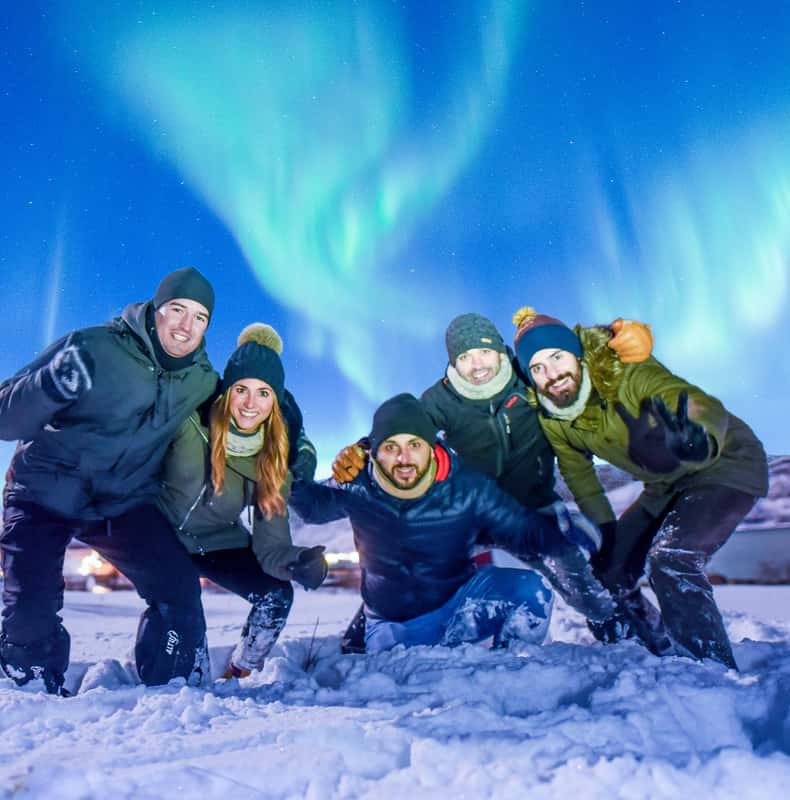
The tour itself runs on a tight, weather-dependent schedule. It starts about an hour after sunset[7], which means the exact start time shifts with sunset across the year rather than sitting at a fixed clock time, and runs 2.5 to 3 hours including the resort transfer. Book it a night or two ahead of when you actually want to go. A fully overcast evening is the one thing no season can fix, and a rebooked slot the following night beats a refund every time — checking the forecast a few days out is the difference between rebooking calmly and scrambling on arrival.
Featured · Destination
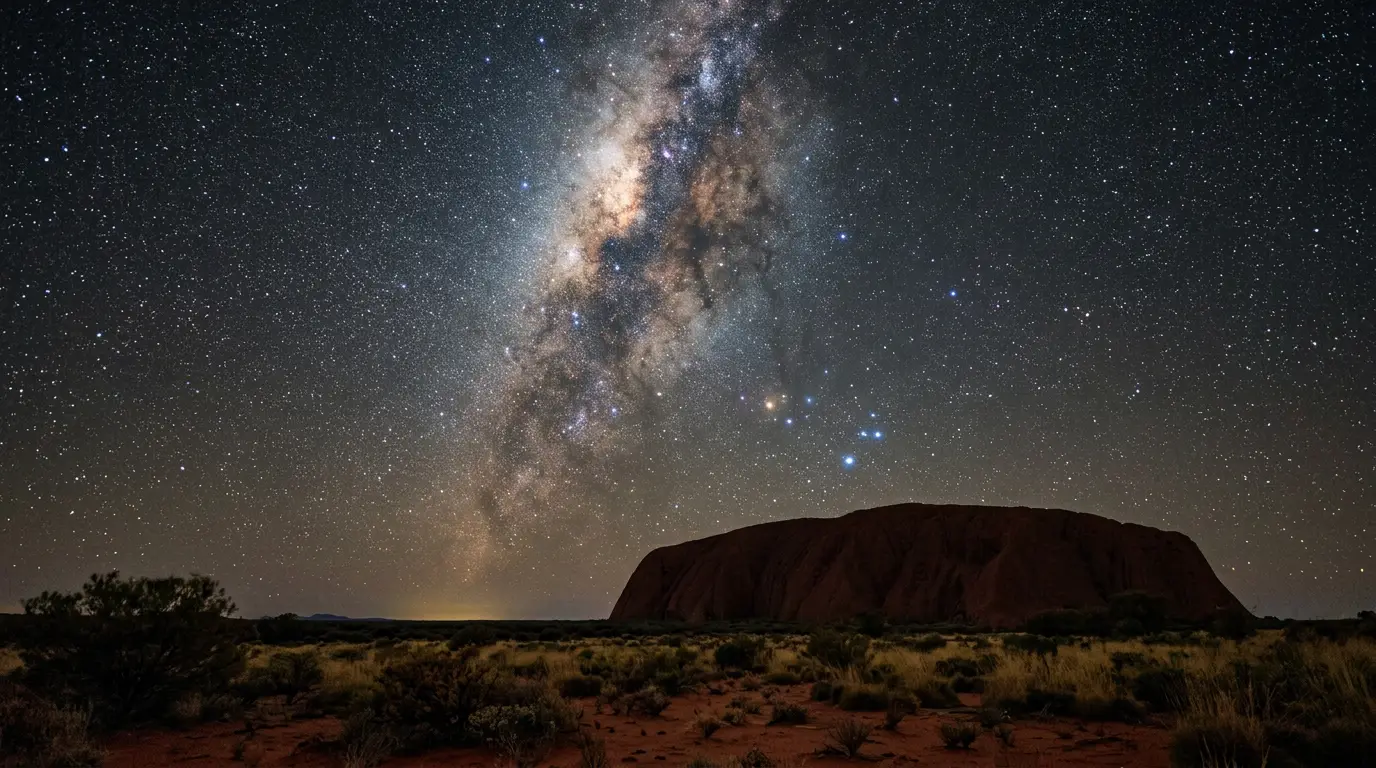
Uluru
Stargaze at Uluru on Anangu-owned, jointly managed land: the Milky Way's core, Magellanic Clouds and Southern Cross over Australia's red-centre outback.
That single operational fact changes the whole framing of 'best time to stargaze at Uluru.' It's not really a question of picking the ideal month and showing up. It's a question of booking the one available tour on a night with a favorable moon phase, during whichever season fits a traveler's tolerance for heat or cold. Get the tour booked first; the season only decides comfort, not access. For the full practical rundown on getting to the park, where to stay nearby, and what else fills out a trip, see Uluru stargazing.
Meteor showers and moon phase: the two variables no season fixes
Pick the right month and the right tour, and two more variables still decide whether the sky actually delivers: the moon and the meteor calendar. A bright moon washes out faint Milky Way detail no matter how dry the air is, so timing a trip around the week before or after a new moon does more for visibility than switching from July to August ever will.
The one meteor shower worth building a Central Australia trip around is the Eta Aquariids. Observers across Australia are advised to look toward the east or northeast in the hours before dawn, since that's the direction the shower's radiant sits in the pre-dawn sky[8]. It peaks in early May each year, though the exact night shifts by a day or two annually, so check the current year's forecast rather than circling a fixed date from last year's calendar.
30-50/hour
Under good conditions, the Eta Aquariids are genuinely worth losing sleep for, one of the strongest annual showers visible from the Southern Hemisphere. It rewards patience more than any single 'best night' does, since the shower runs across several nights around its peak rather than delivering everything in one four-hour window. For the shower's exact date this year and how it compares to the rest of the annual calendar, see meteor showers guide.
What you'll actually see: Milky Way, zodiacal light, and the Southern Cross
Once you're inside the park after dark, under genuinely dark skies, the payoff is immediate. The Milky Way stretches across the sky in bold contrast against the black, and clear nights reveal zodiacal light, airglow, and even the distant galaxy M33 to the naked eye[9]. None of that needs a telescope. It needs a dark sky and a few minutes for your eyes to adjust, which is most of what this whole guide has been about.
The Southern Cross sits low in the sky near the Coalsack Nebula, a dark patch of dust silhouetted against the Milky Way's glow rather than a bright object in its own right. Unlike the seasonal shifts that decide whether a Milky Way core is even visible at destinations further from the equator, the Southern Cross is up there most nights here regardless of month, one less variable to plan around than the four factors covered in when to stargaze.
Featured · Article
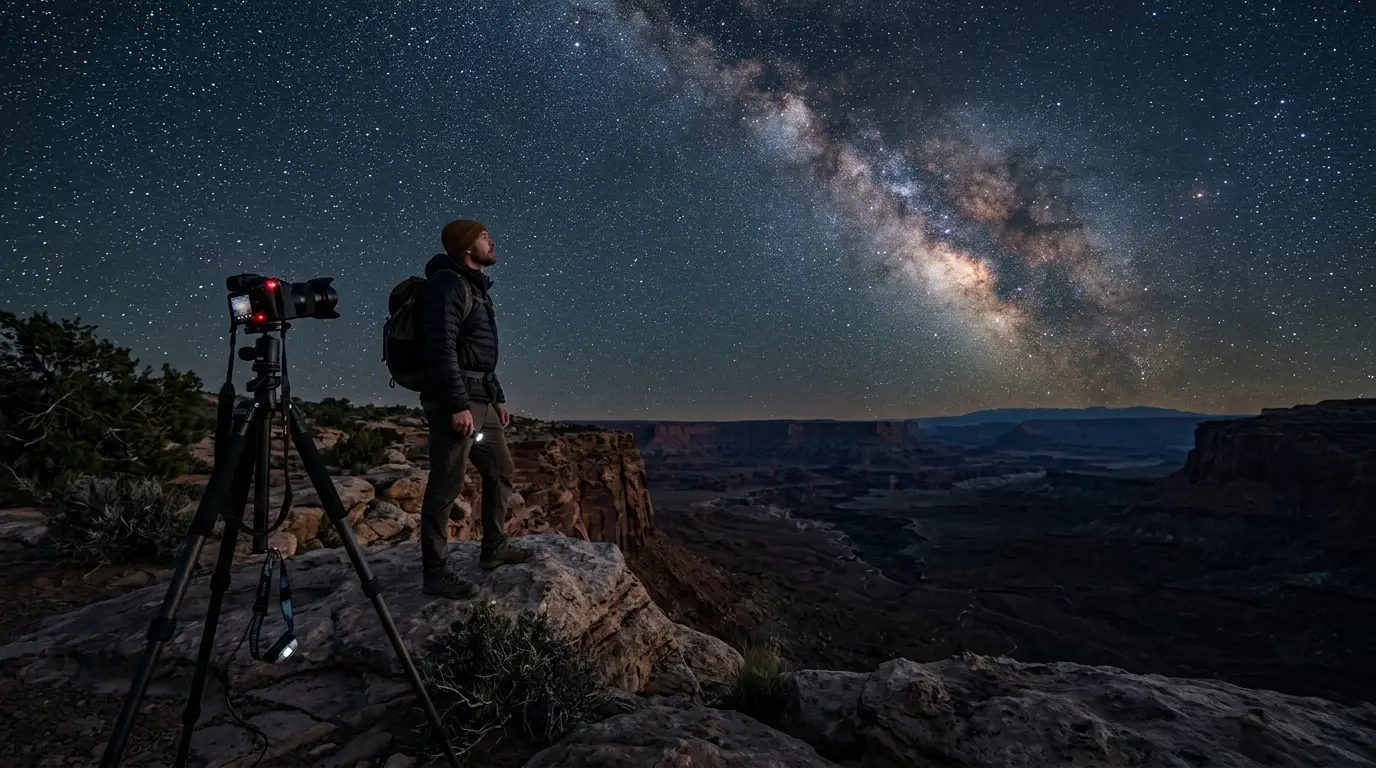
What Is Astrotourism? The Complete Beginner's Guide
Astrotourism means travel built around dark skies: meteor showers, auroras, the Milky Way. What it means, where to go, and how to plan your first trip.
Put the whole picture together and 'best time' at Uluru comes down to three decisions stacked on top of each other: book the licensed tour, since there's no other way in after dark; pick a week close to a new moon; and choose winter if cold nights beat hot ones, or summer if the reverse is true. Get those three right and the season barely matters. The sky underneath is the same dark sky either way.