Articles
Dark sky travel stories and planning essays (Page 6)
Long-form pieces I write on aurora science, astrophotography how-tos, destination deep-dives, and practical planning essays for dark-sky trips.
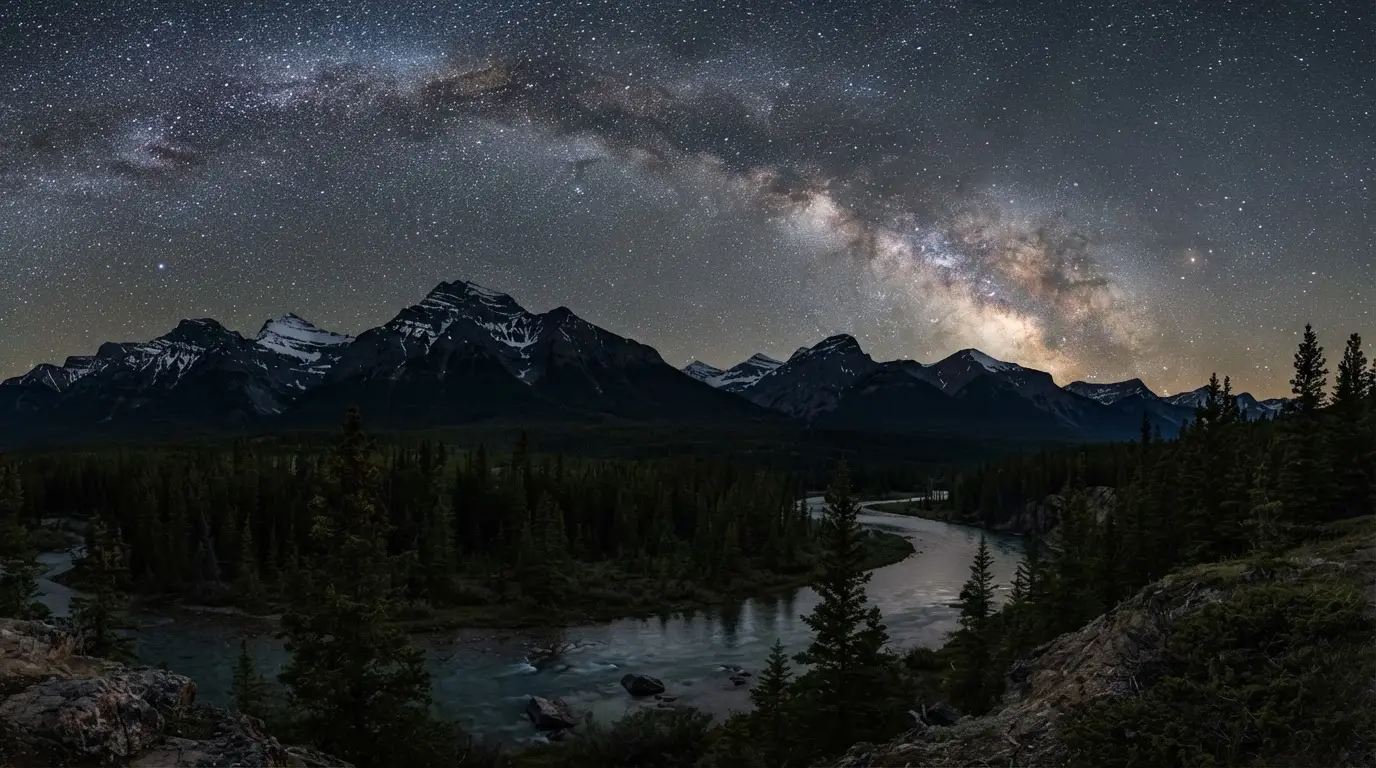
Why Is Jasper Called Jasper? The Fur-Trade Story
Maya Okonkwo Updated 10 min read
Jasper is named for Jasper Hawes, a fur trader who ran a North West Company post from 1815 to 1821. His name lives on in the town, park, and Dark-Sky Preserve.
Read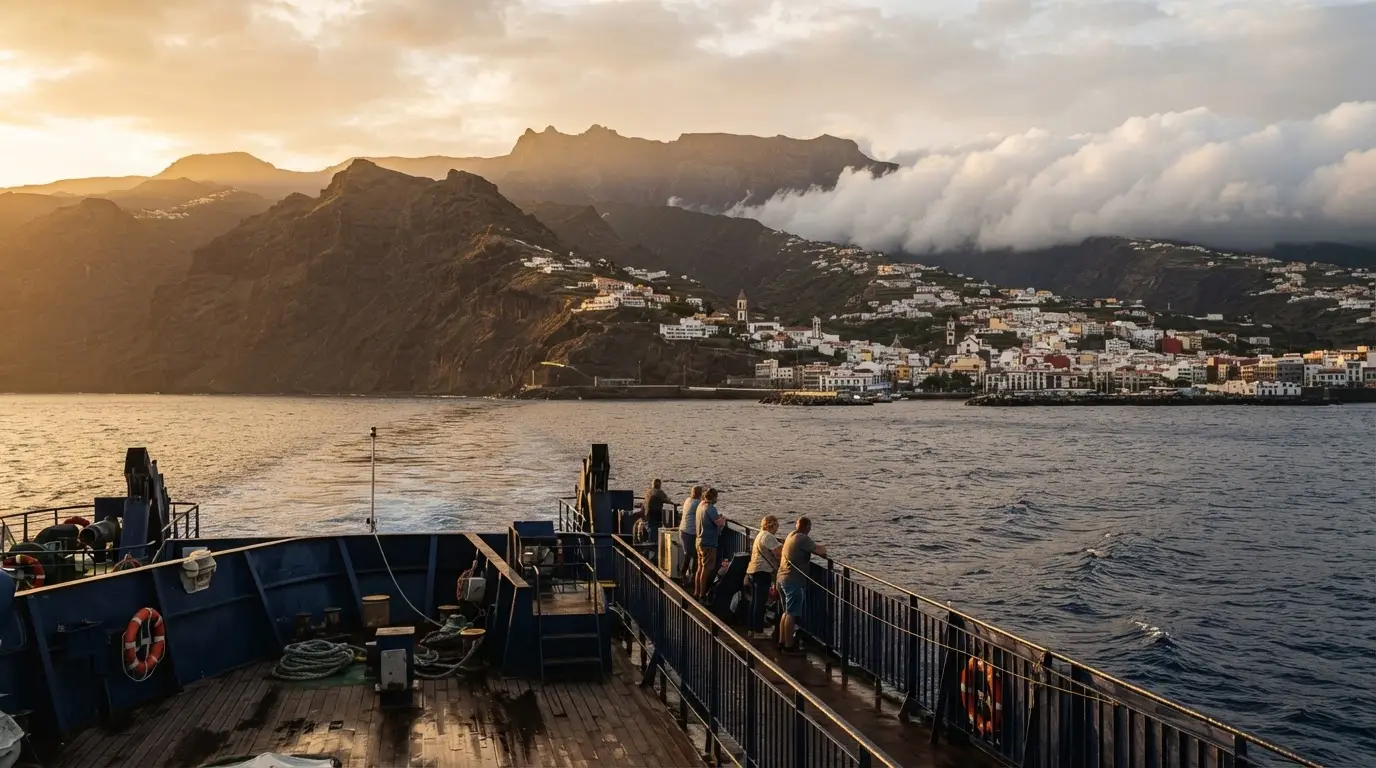
Can You Day-Trip to La Palma for Stargazing?
Maya Okonkwo Updated 10 min read
A day trip to La Palma for stargazing from Tenerife doesn't work: ferries burn 5-6.5h, flights lose 4h+, and the ORM road closes to the public at night.
Read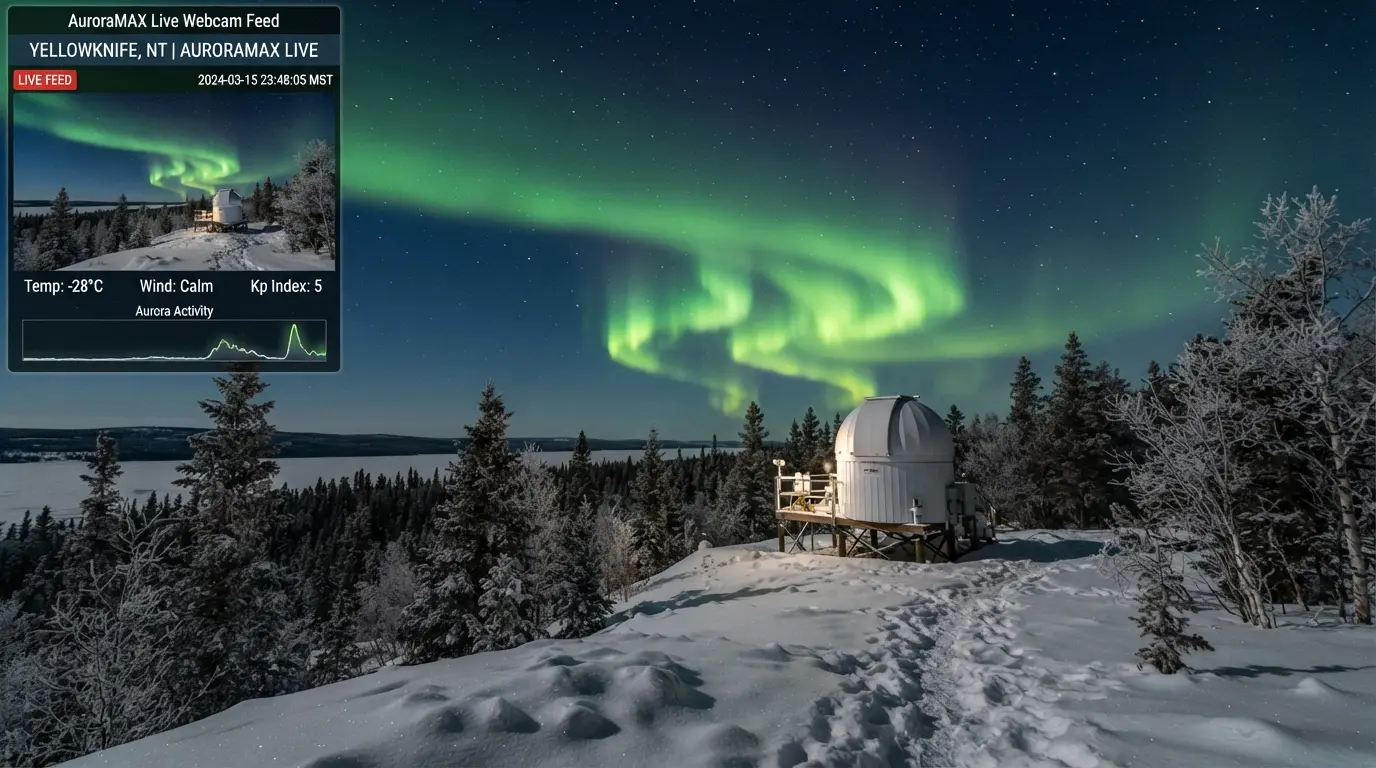
Yellowknife Aurora Webcams: Watch the Northern Lights Live
Maya Okonkwo Updated 10 min read
Northern lights live from Yellowknife aurora webcams: AuroraMAX's HD feed, local sky cameras, and what each one actually tells you about tonight's display.
Read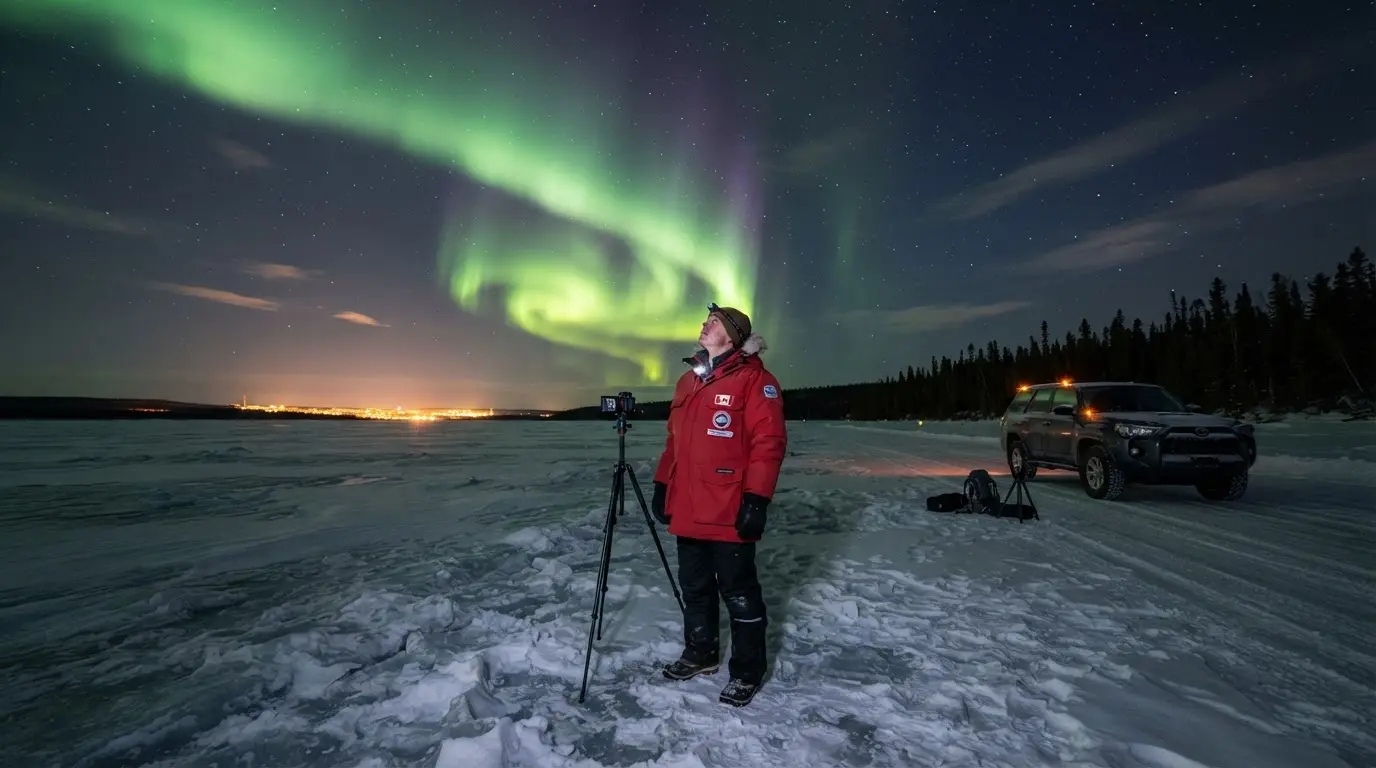
Yellowknife Aurora Tour or DIY: How to Decide
Maya Okonkwo Updated 8 min read
Guided aurora tours vs self-guided viewing in Yellowknife: cost comparison, cold-weather risk, forecast literacy, and the hybrid approach that works best.
Read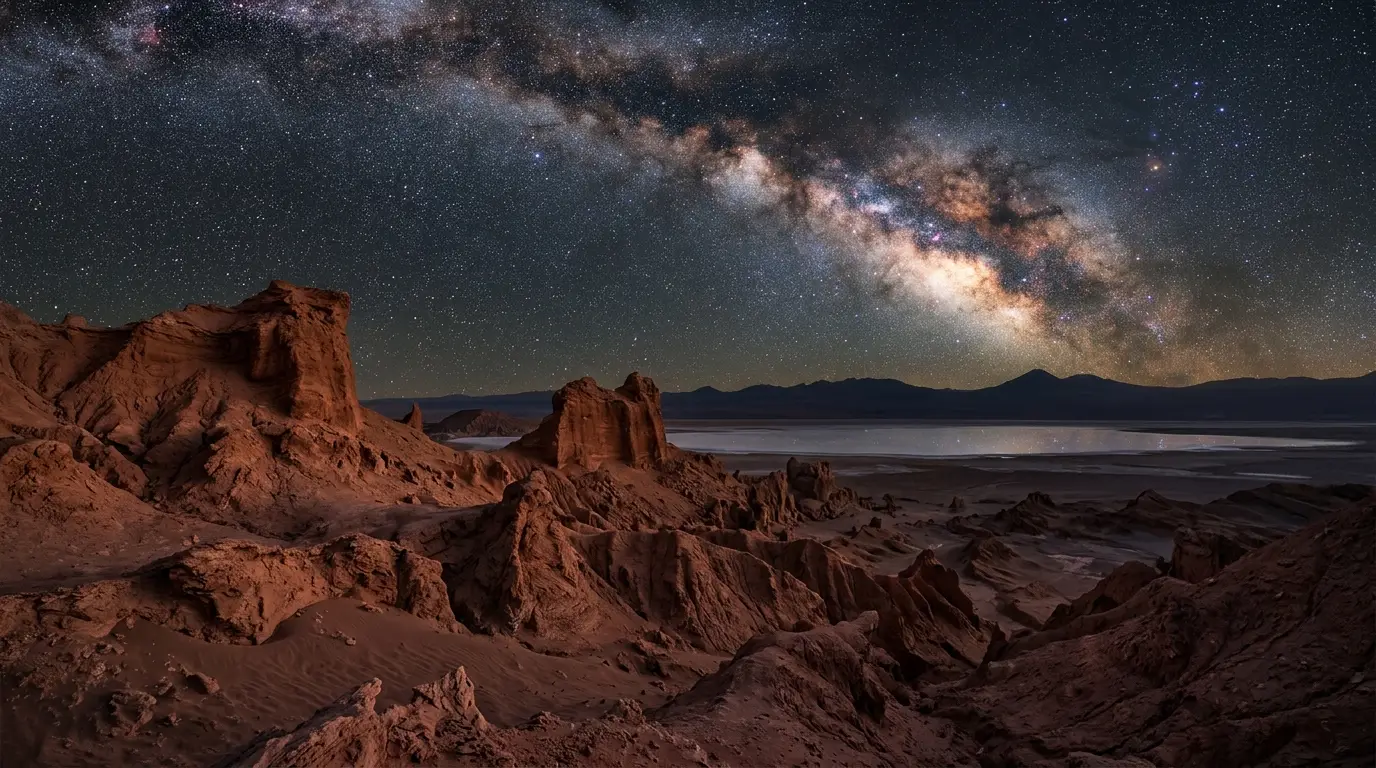
Best Stargazing Spots in the Atacama Desert
Maya Okonkwo Updated 7 min read
Six named spots split the Atacama's sky differently: Valle de la Luna's horizon, the Salar's reflection, Piedras Rojas at 4,300m, and what ALMA lets you see.
Read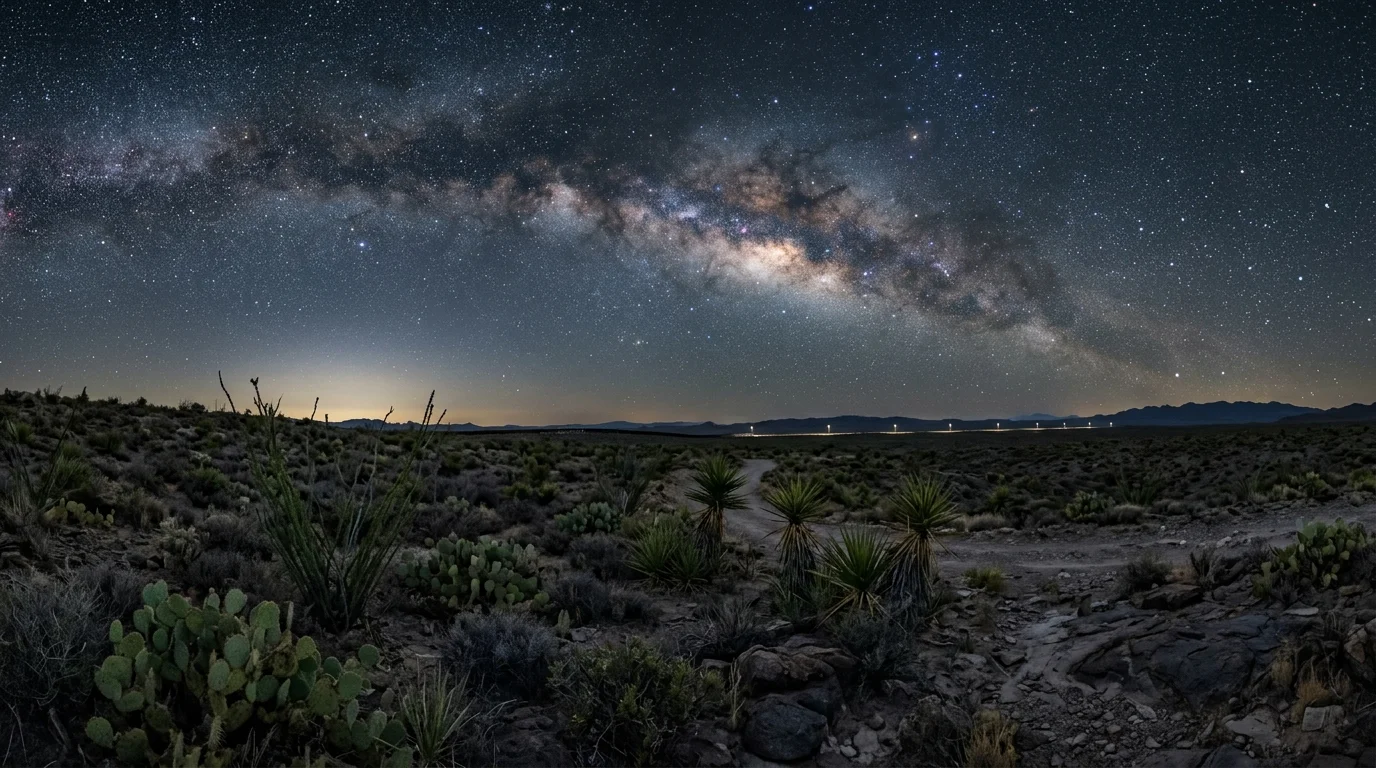
Big Bend National Park Light Pollution: The Border Wall Threat
Maya Okonkwo Updated 9 min read
Big Bend's dark sky faces two distinct threats: a 175-mile wall outside the park and CBP surveillance lighting inside it. What stargazers need to know.
Read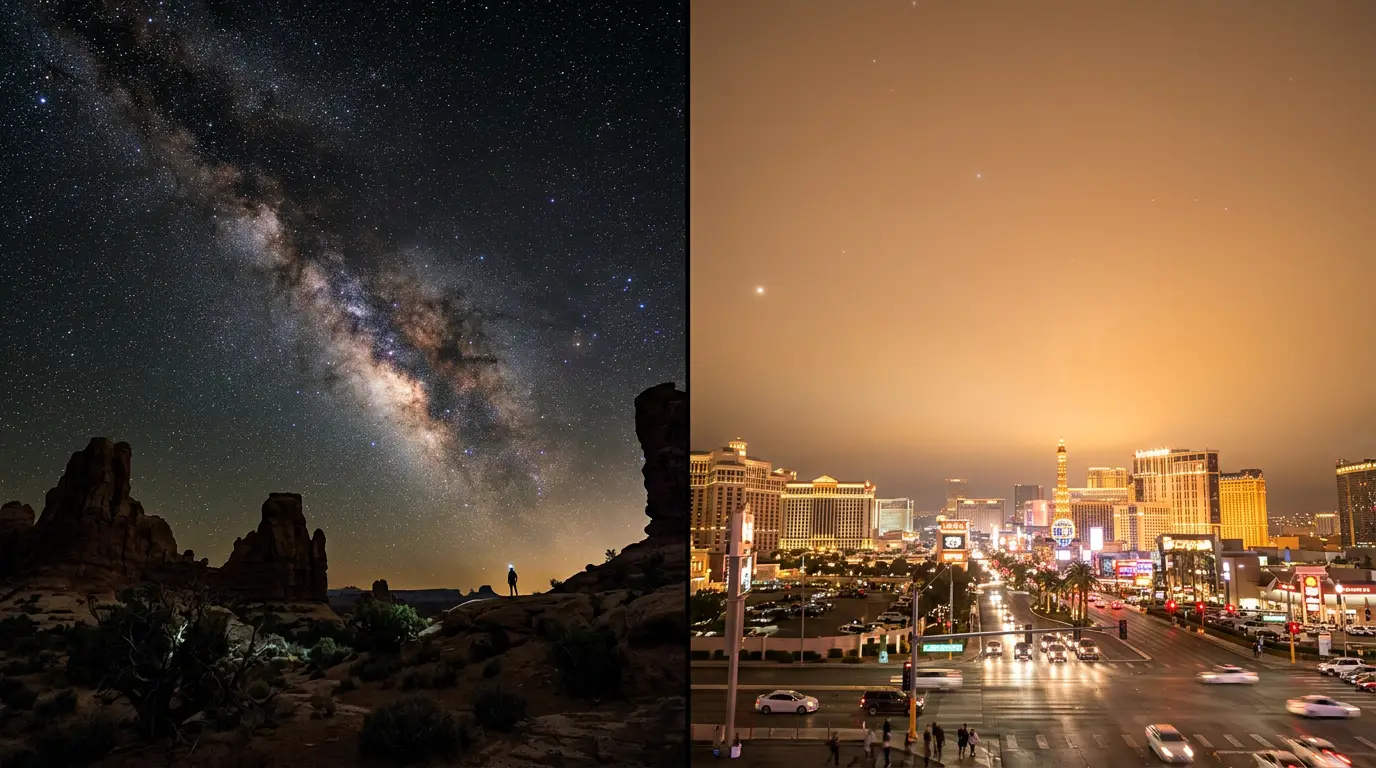
The Bortle Scale Explained: All 9 Dark-Sky Classes
Maya Okonkwo Updated 6 min read
The Bortle scale rates night-sky darkness from 1 to 9. Here's what each class actually looks like, who created it, and how to find your own sky's rating.
Read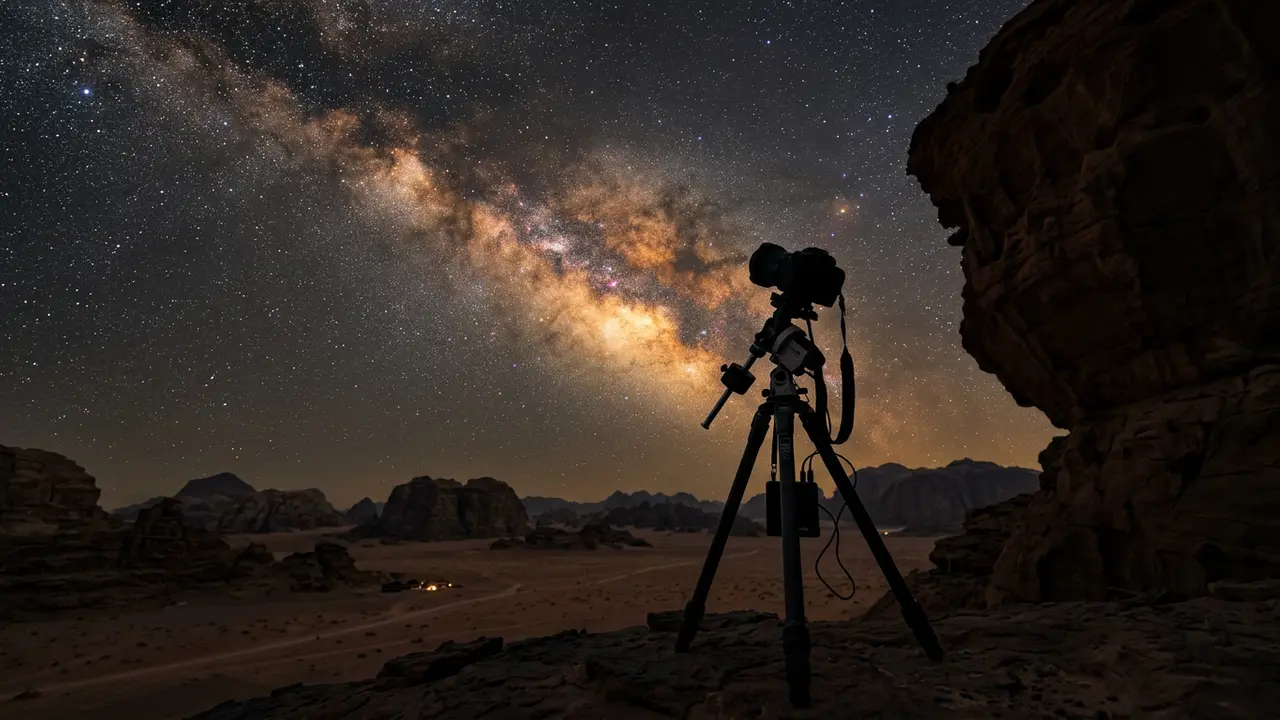
Wadi Rum Astrophotography Gear: Camera, Lens & Tripod
Maya Okonkwo Updated 10 min read
Camera, lens, and tripod picks for Wadi Rum's red sandstone skies: wide apertures for the Milky Way, monolith foregrounds, and sand/heat-proofing gear.
Read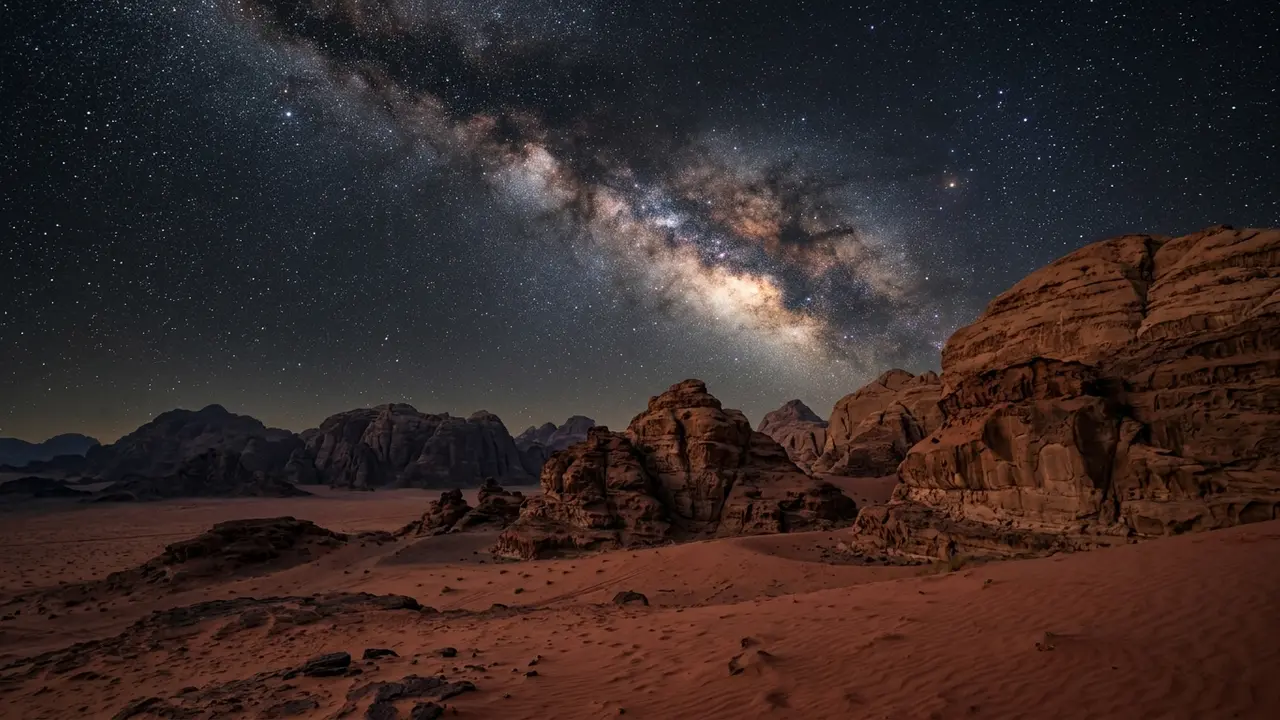
Wadi Rum's UNESCO Dark Sky Status, Explained
Maya Okonkwo Updated 9 min read
Wadi Rum is a UNESCO World Heritage site, not a DarkSky-certified reserve. Here's what the 2011 designation protects, and why its desert sky stays this dark.
Read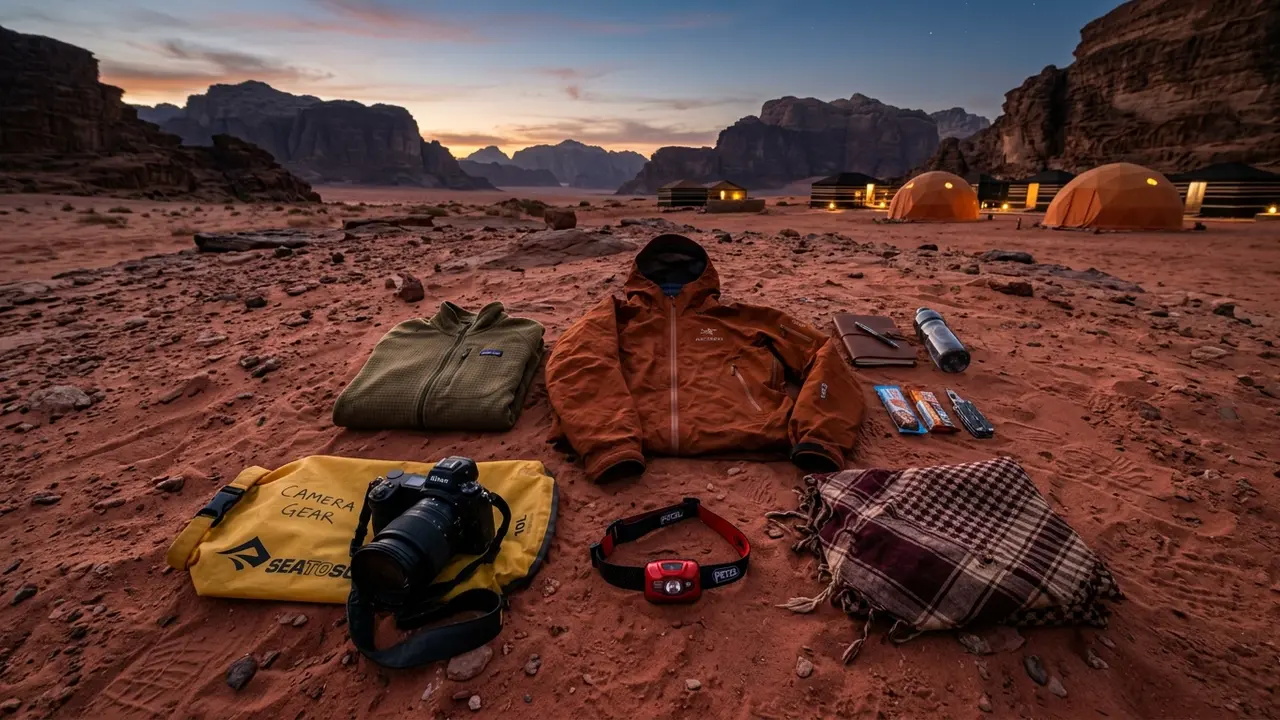
Wadi Rum Desert Packing List: Heat by Day, Cold by Night
Maya Okonkwo Updated 8 min read
Wadi Rum swings from 40°C days to near-freezing nights, and camps supply bedding but not towels. Here's what actually earns a spot in your packing bag.
Read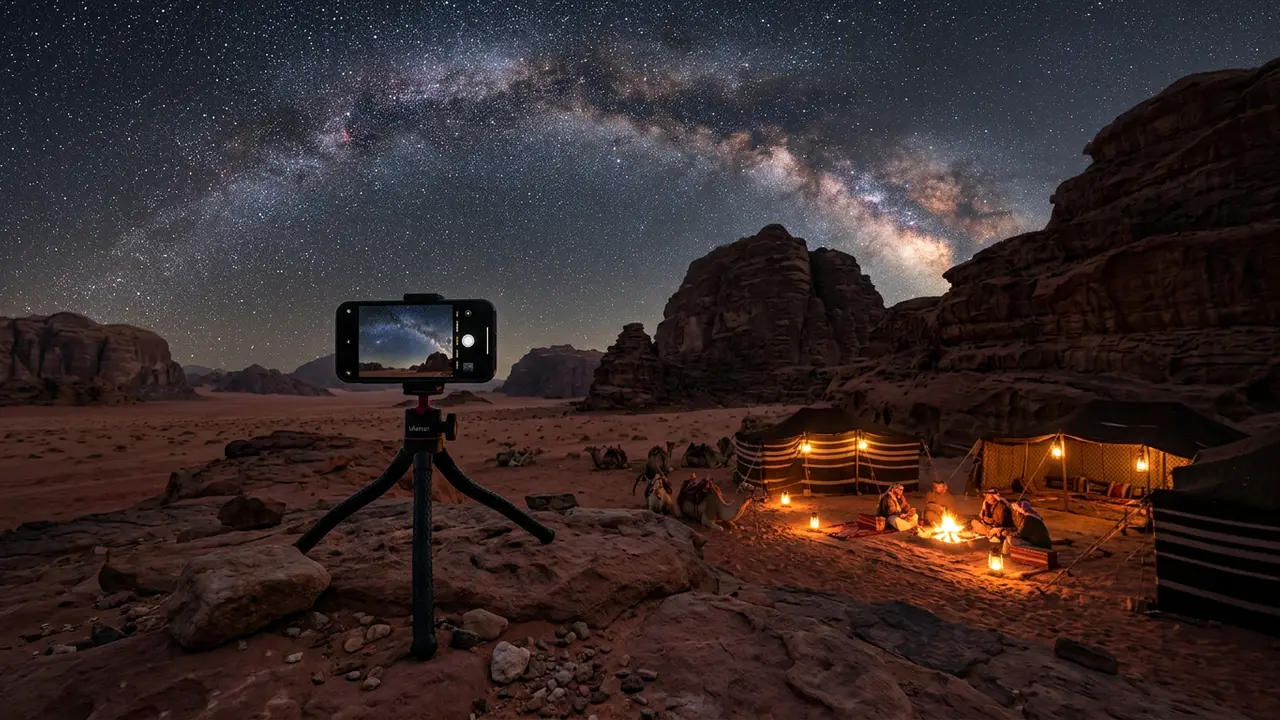
Wadi Rum Smartphone Stargazing Photography: What Works
Maya Okonkwo Updated 7 min read
Wadi Rum smartphone stargazing photography works if you brace against sandstone and beat the desert's brutal day-to-night swing before your battery does.
Read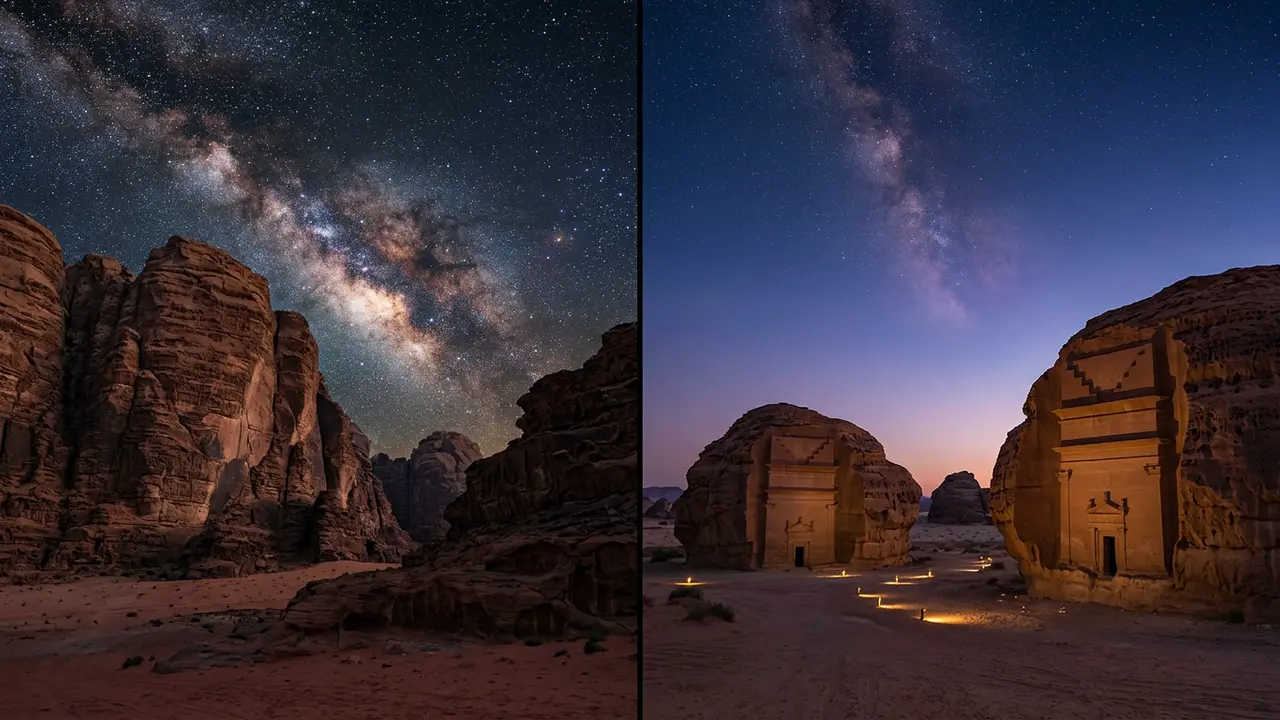
Wadi Rum vs AlUla Stargazing: Which Desert Wins?
Maya Okonkwo Updated 7 min read
Wadi Rum's UNESCO valley and Bedouin camps vs AlUla's Dark Sky Park and ancient Hegra ruins: an honest comparison for planning either desert stargazing trip.
Read