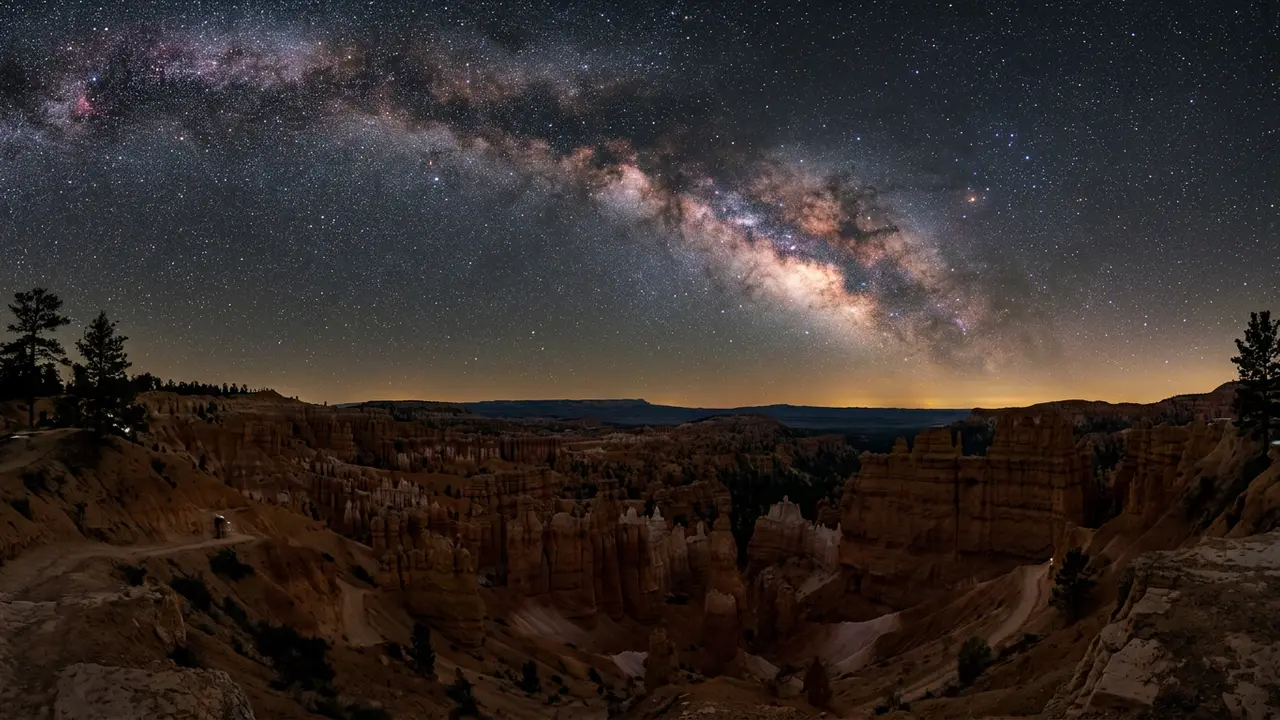

Why Bryce Canyon's Night Sky Is Different
6,600-9,100 ft
The Best Months for the Milky Way Core: June, September, October
Featured · Destination
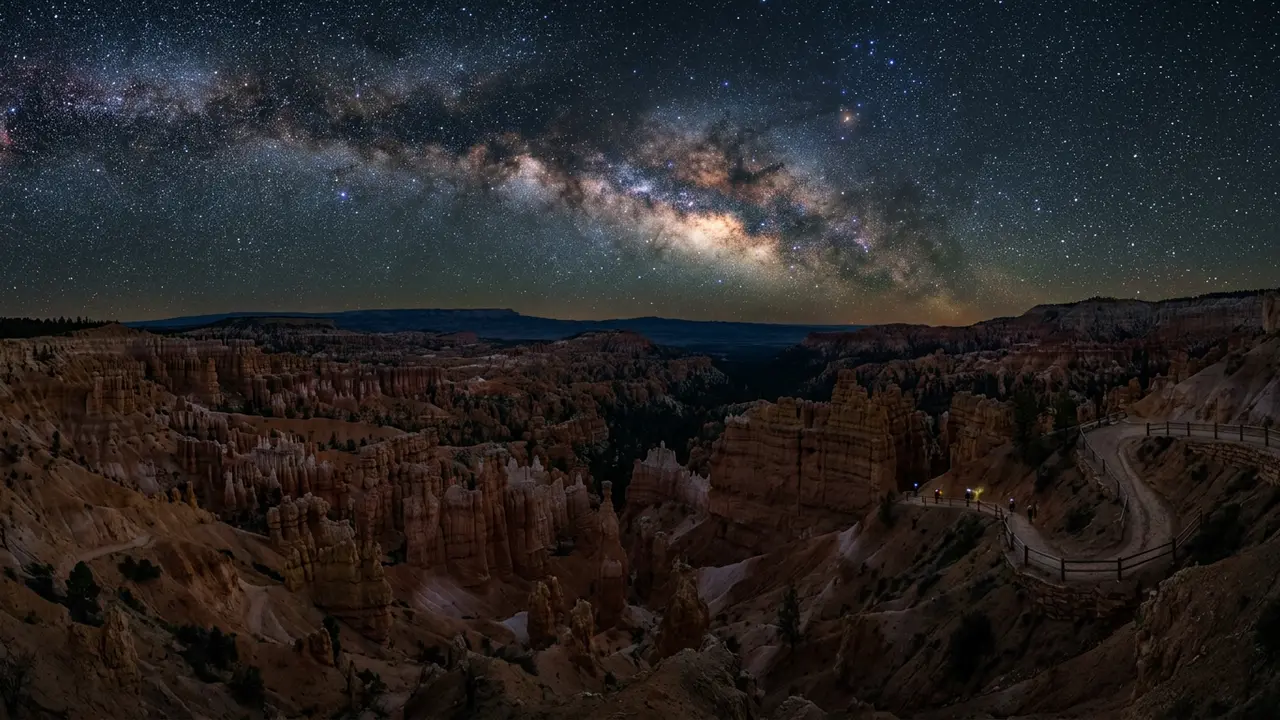
Stargazing in Bryce Canyon National Park
Bryce Canyon earned Gold-Tier Dark Sky Park status in 2019 after 50 years of astronomy programs. Drive in from Vegas or Salt Lake City to see it for yourself.
Winter's Trade-Off: The Year's Clearest Air
| What matters | Milky Way season (June, Sept, Oct) | Deep-sky winter (Nov-Mar) |
|---|---|---|
| Clear-night odds | Best outside winter, roughly 80% | Cloudier overall, but the darkest air of the year on a clear night |
| Best target | The Milky Way's galactic core | Faint nebulae and galaxies |
| Comfort | Mild nights, light layers | Genuine cold, real winter layering |
| Access | Full road and trail network open | Some roads and part of the Rim Trail close |
Timing the Darkest Nights: Moon Phase
Meteor Showers Over Bryce Canyon
- Jan 3
Quadrantid peak
A short, sharp peak lasting only a few hours, with rates up to about 10 meteors an hour.
- Aug 11-13
Perseid peak
The year's most reliable shower for casual viewing, with rates up to about 120 meteors an hour.
- Nov 17
Leonid peak
A modest shower most years, typically 5 to 10 meteors an hour.
- Dec 14
Geminid peak
The year's strongest shower, 80 to 100 meteors an hour, falling inside Bryce Canyon's clearest winter stretch.
Real Winter Closures, Cold, and Planning Your Trip
Recommended tours
Tours are selected for quality, not commission. I earn a small fee if you book — at no extra cost to you.


Featured · Article
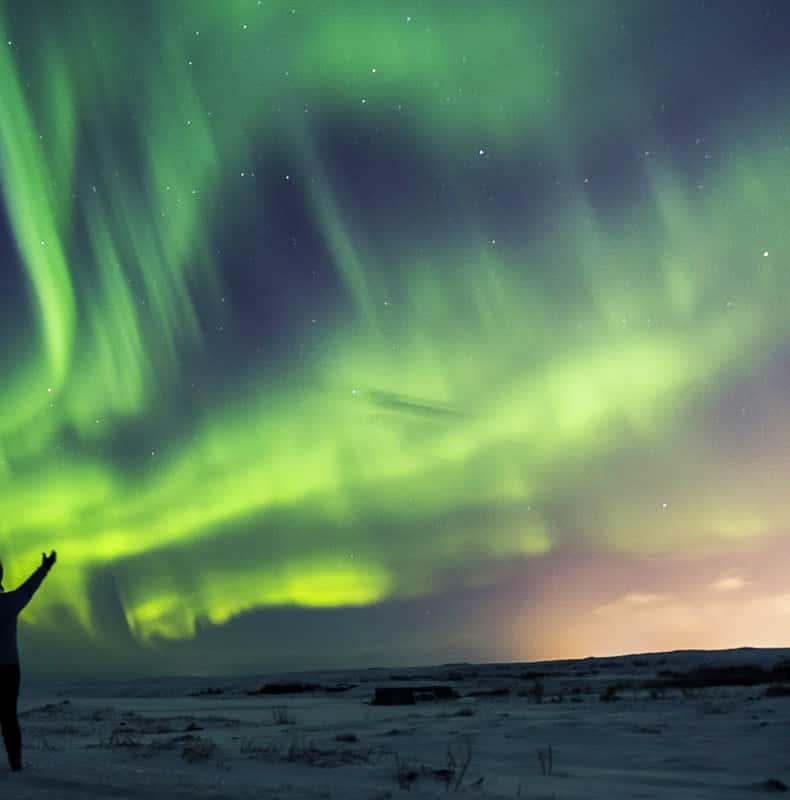
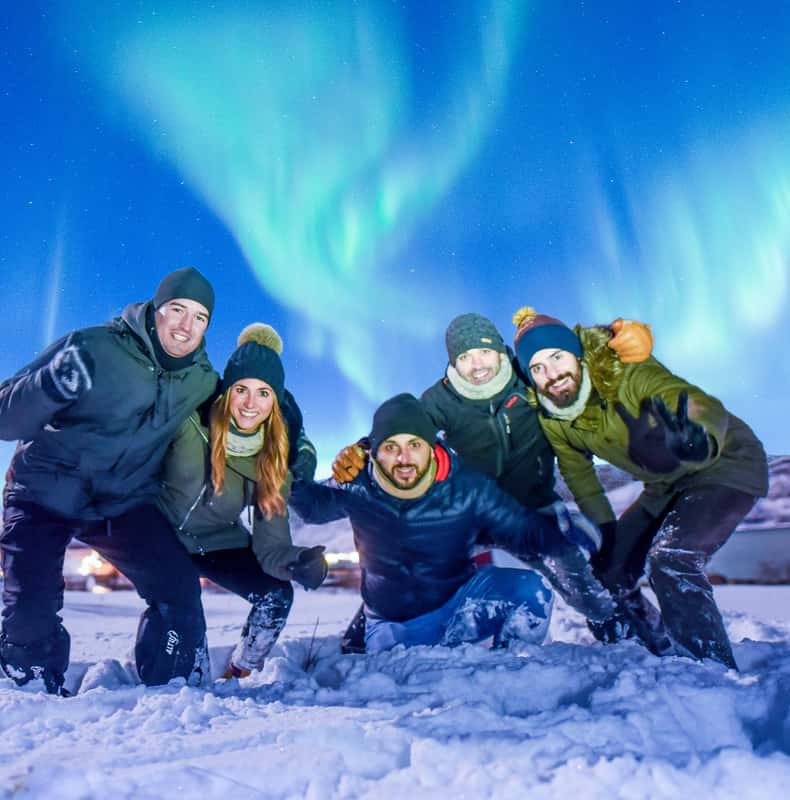
What Is Astrotourism? The Complete Beginner's Guide
Astrotourism means travel built around dark skies: meteor showers, auroras, the Milky Way. What it means, where to go, and how to plan your first trip.