Articles
Dark sky travel stories and planning essays (Page 10)
Long-form pieces I write on aurora science, astrophotography how-tos, destination deep-dives, and practical planning essays for dark-sky trips.
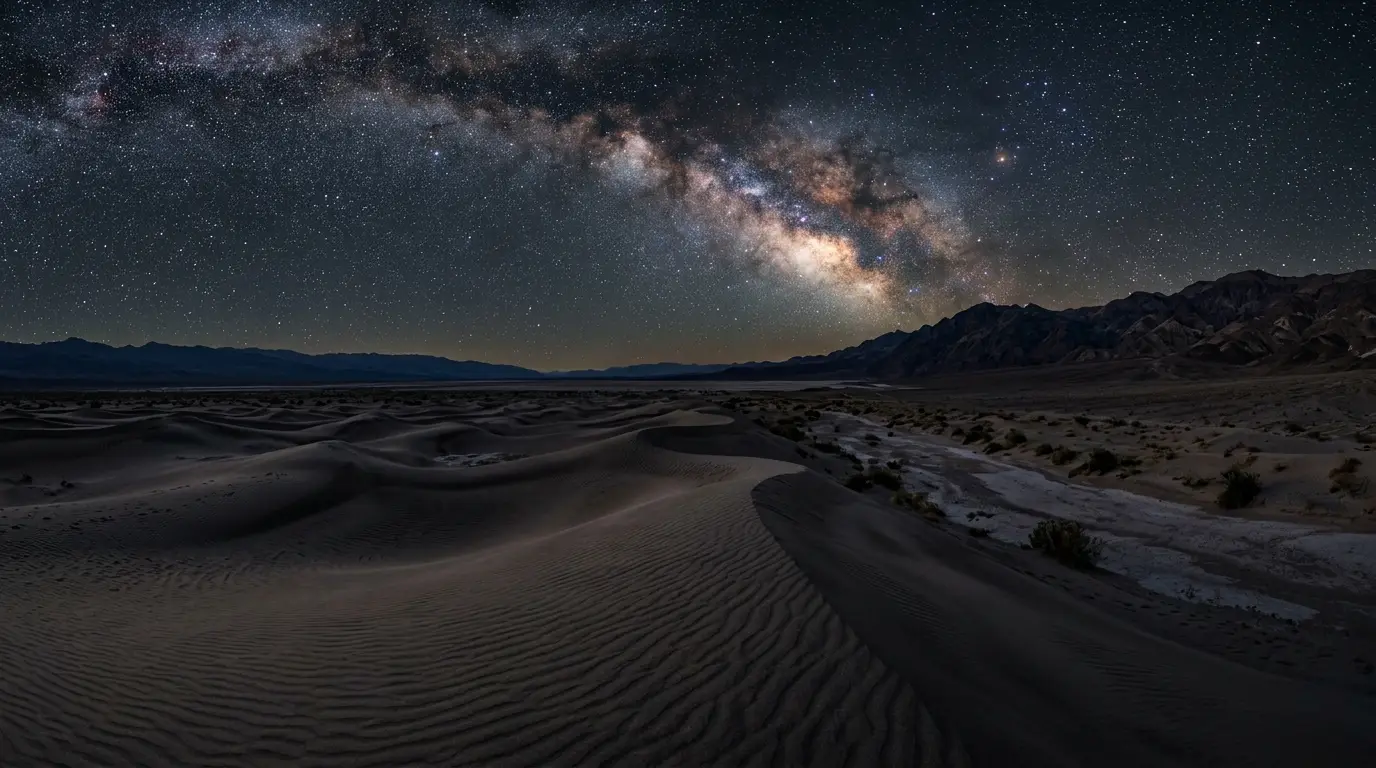
Is Death Valley Worth It for Stargazing?
Maya Okonkwo Updated 7 min read
Death Valley's skies are Gold Tier and Bortle 1-2, but summer highs can top 120°F and the nearest city is two hours away. Here's the honest trade-off.
Read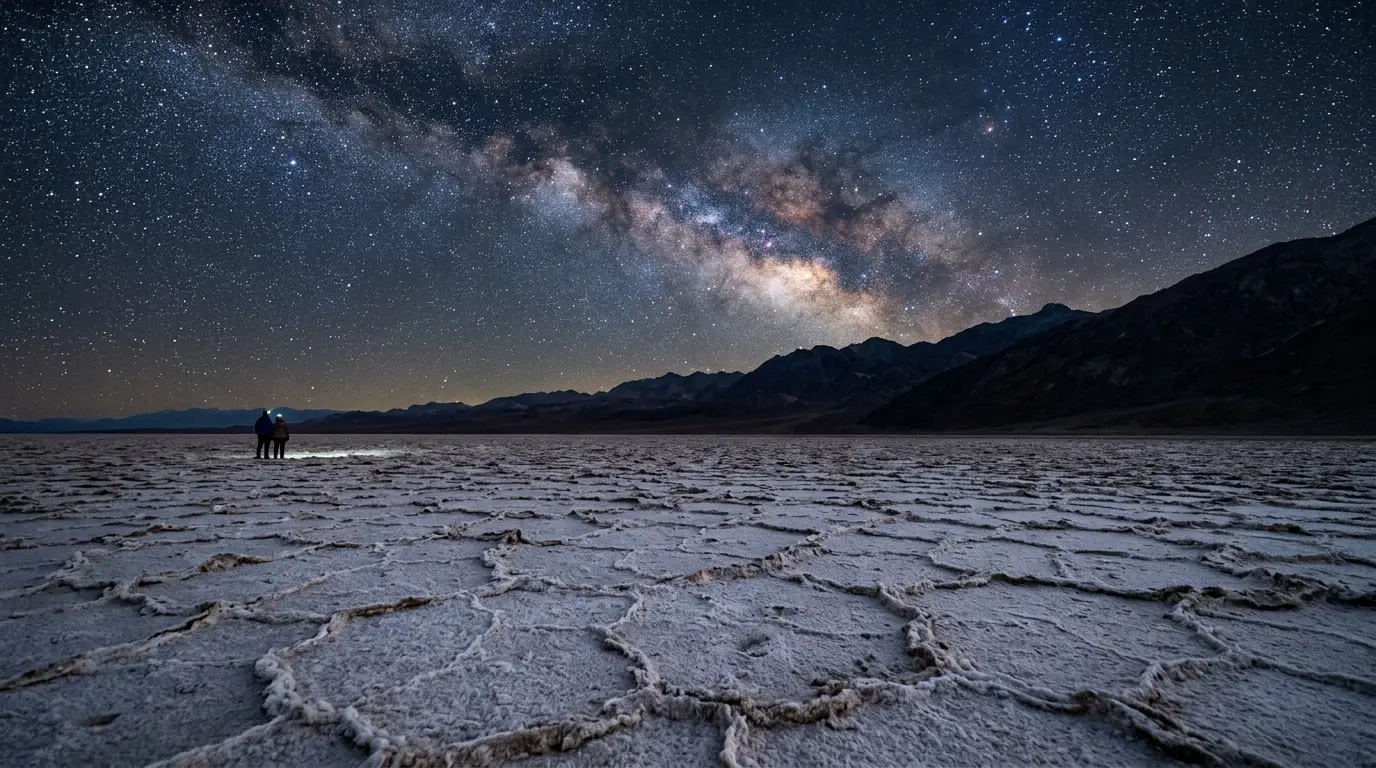
Best Stargazing Spots in Death Valley: 4 Places to Know
Maya Okonkwo Updated 7 min read
Four named spots handle Death Valley's Gold Tier sky differently: Badwater's horizon, Zabriskie's overlook, Mesquite Flat's dunes, Ubehebe's isolation.
Read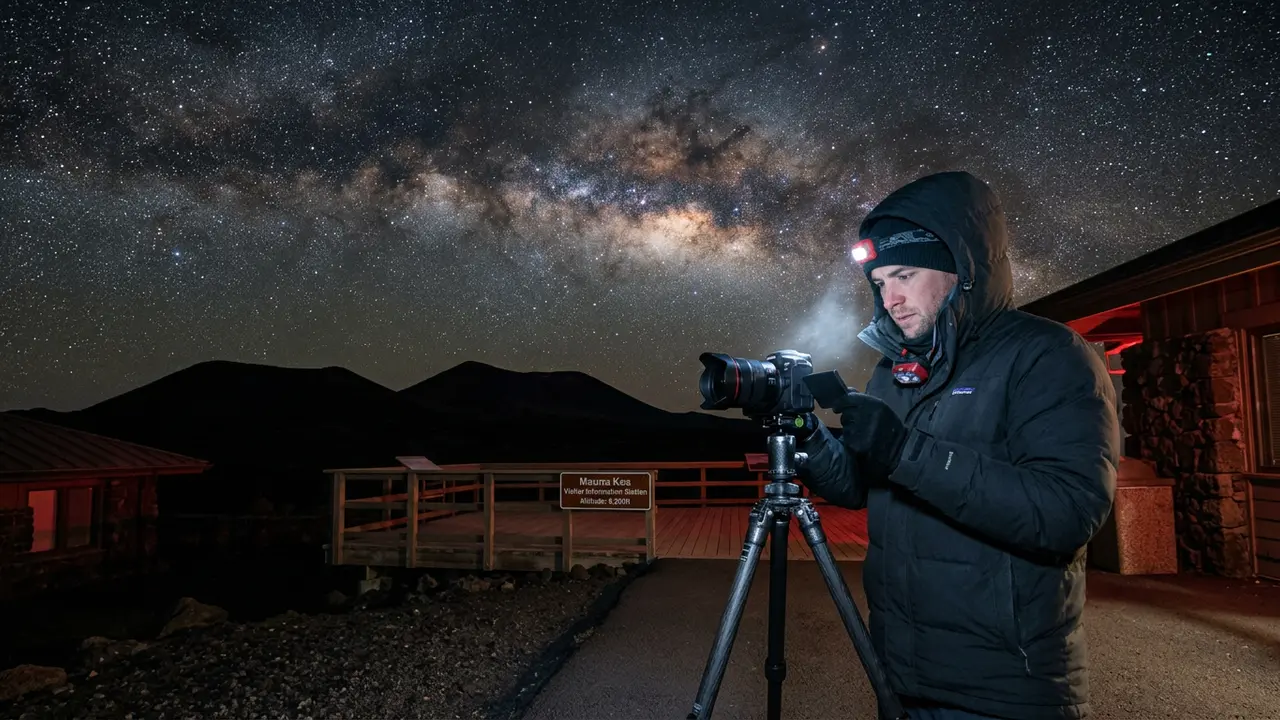
Mauna Kea Astrophotography Gear: A Cold-Weather Guide
Maya Okonkwo 8 min read
Cold, thin air, and wind change how cameras behave on Mauna Kea. A gear guide for astrophotographers shooting respectfully from the Visitor Information Station.
Read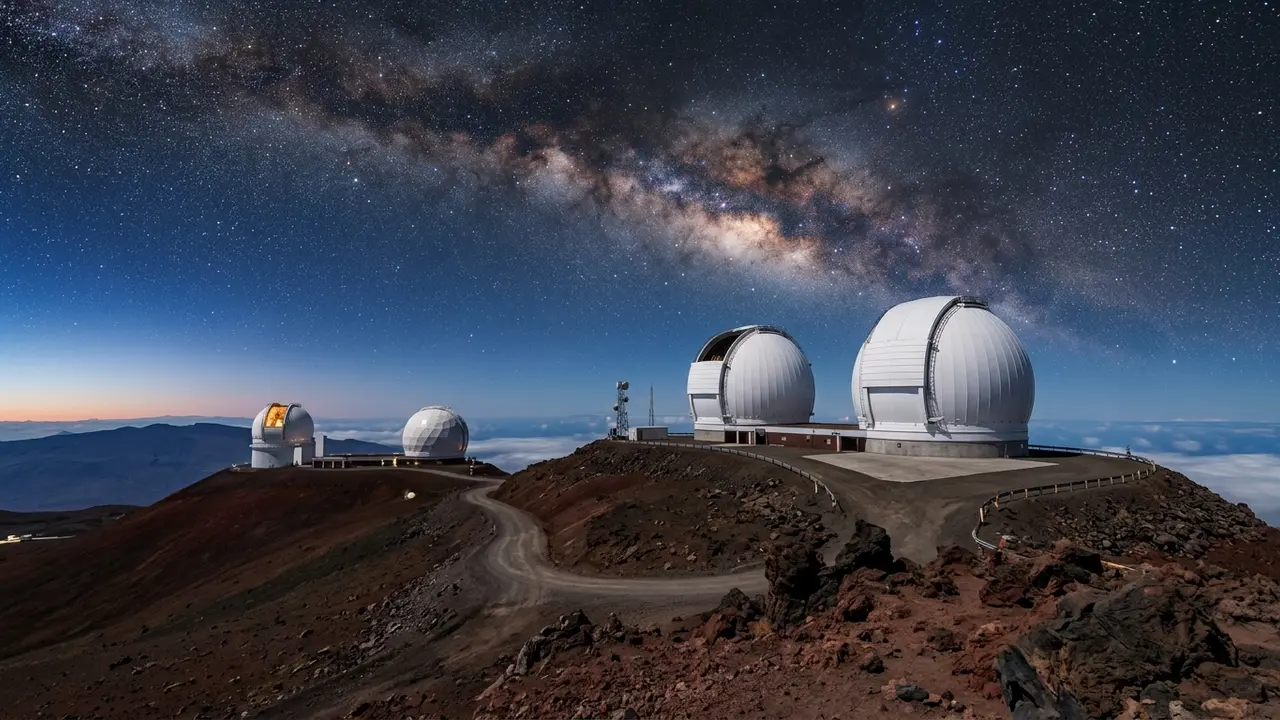
Mauna Kea Observatories Explained: Why the Summit Works
Maya Okonkwo Updated 7 min read
Mauna Kea's 13,796-foot summit sits above 40% of Earth's atmosphere, home to Keck's twin domes, Subaru, and Gemini North, on land sacred to Native Hawaiians.
Read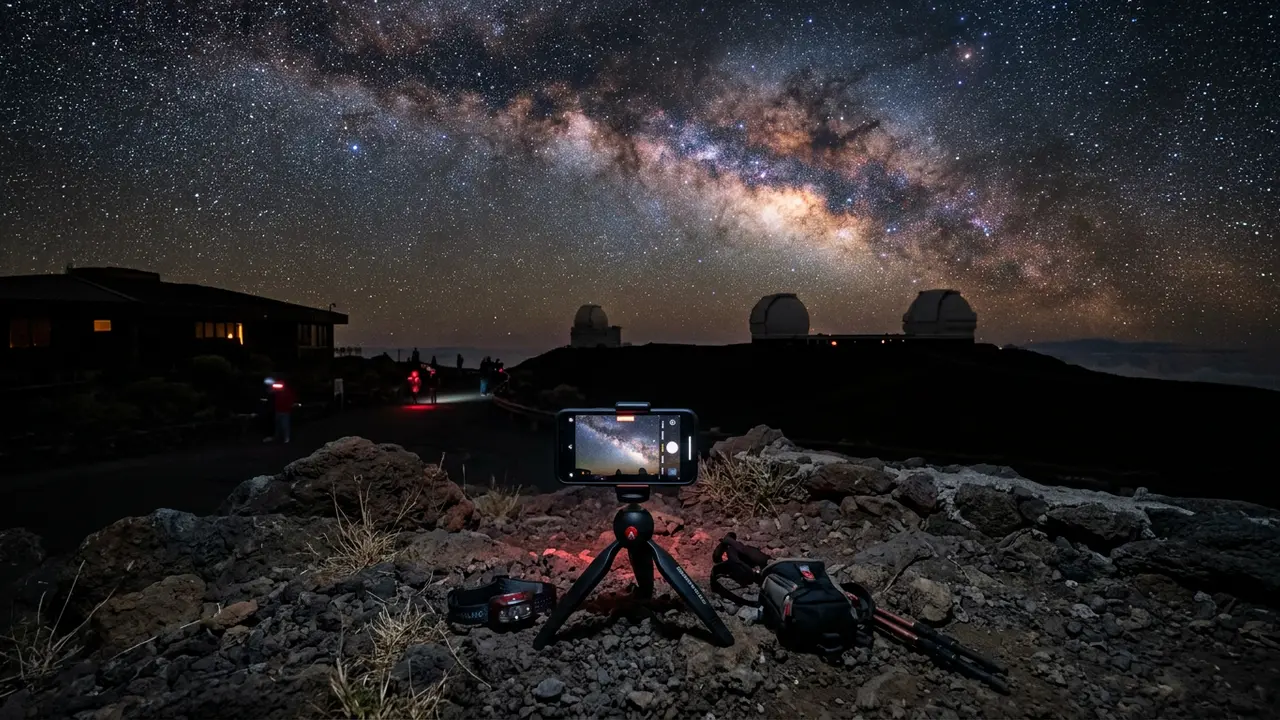
Mauna Kea Smartphone Stargazing Photography Guide
Maya Okonkwo Updated 7 min read
Photograph the Milky Way at Mauna Kea's Visitor Station using only a phone: night mode, tripod tricks, manual focus, framed by the mountain's sacred history.
Read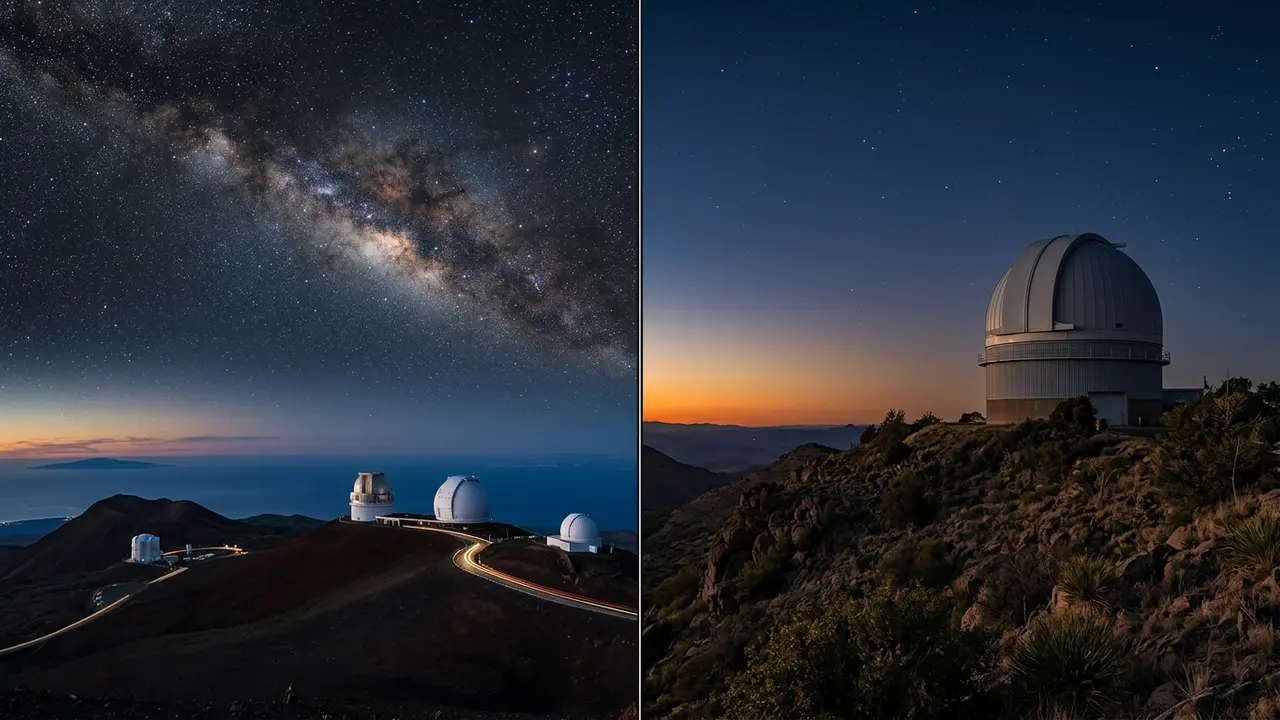
Mauna Kea vs Big Bend Stargazing: Which Fits Your Trip?
Maya Okonkwo 7 min read
Mauna Kea's summit is sacred and access-limited; Big Bend's McDonald Observatory welcomes everyone. Here's which stargazing trip actually fits you best.
Read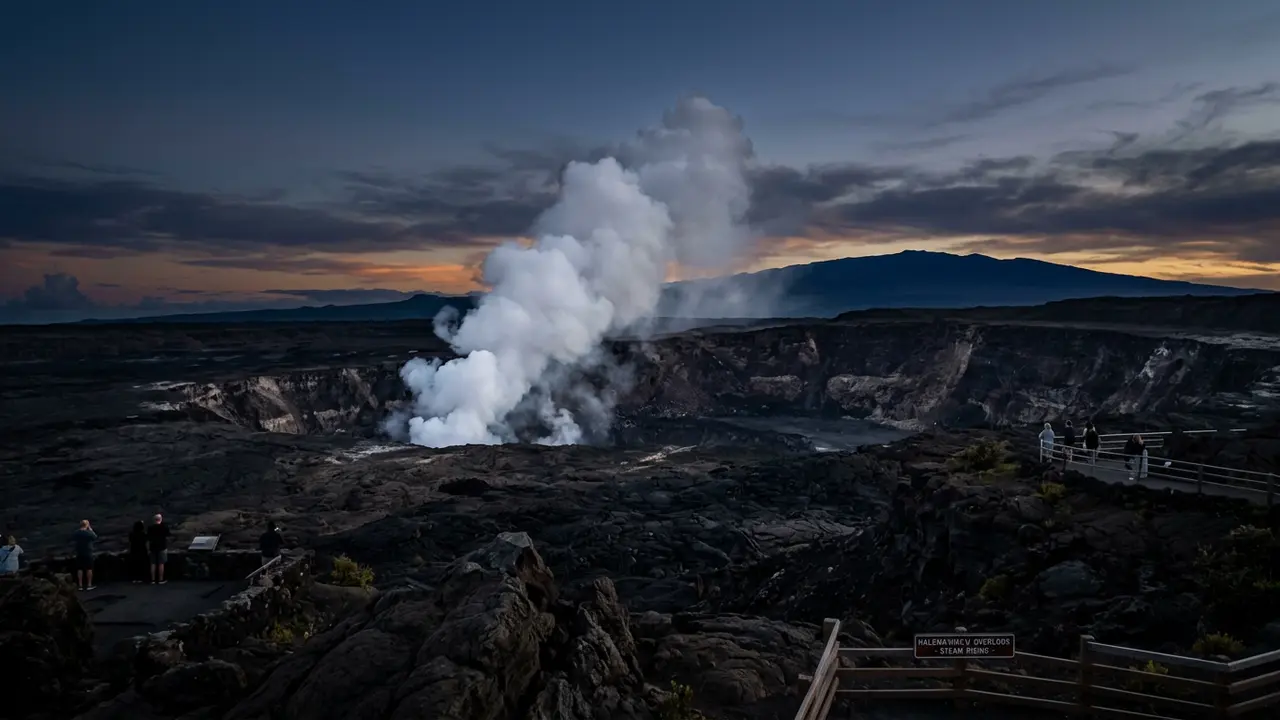
Big Island Things to Do Beyond Mauna Kea
Maya Okonkwo Updated 7 min read
Volcanoes National Park, Hilo waterfalls, Kona coffee farms, and a manta ray night snorkel pair well with a Mauna Kea stargazing night on Hawaiʻi's Big Island.
Read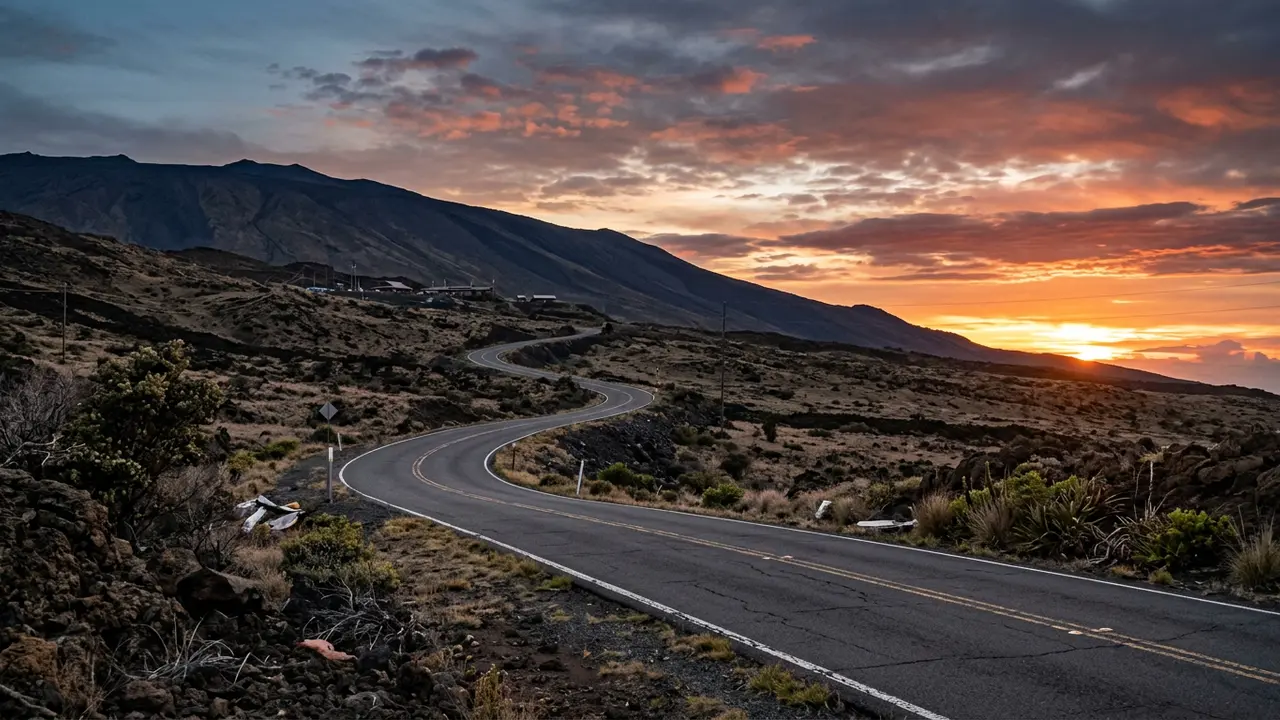
Getting to Mauna Kea: The Drive, Airports, and the VIS Visit
Maya Okonkwo Updated 7 min read
Fly into Hilo or Kona, drive Saddle Road to the Visitor Information Station, and know where rental-car and 4WD rules apply on Mauna Kea's sacred summit.
Read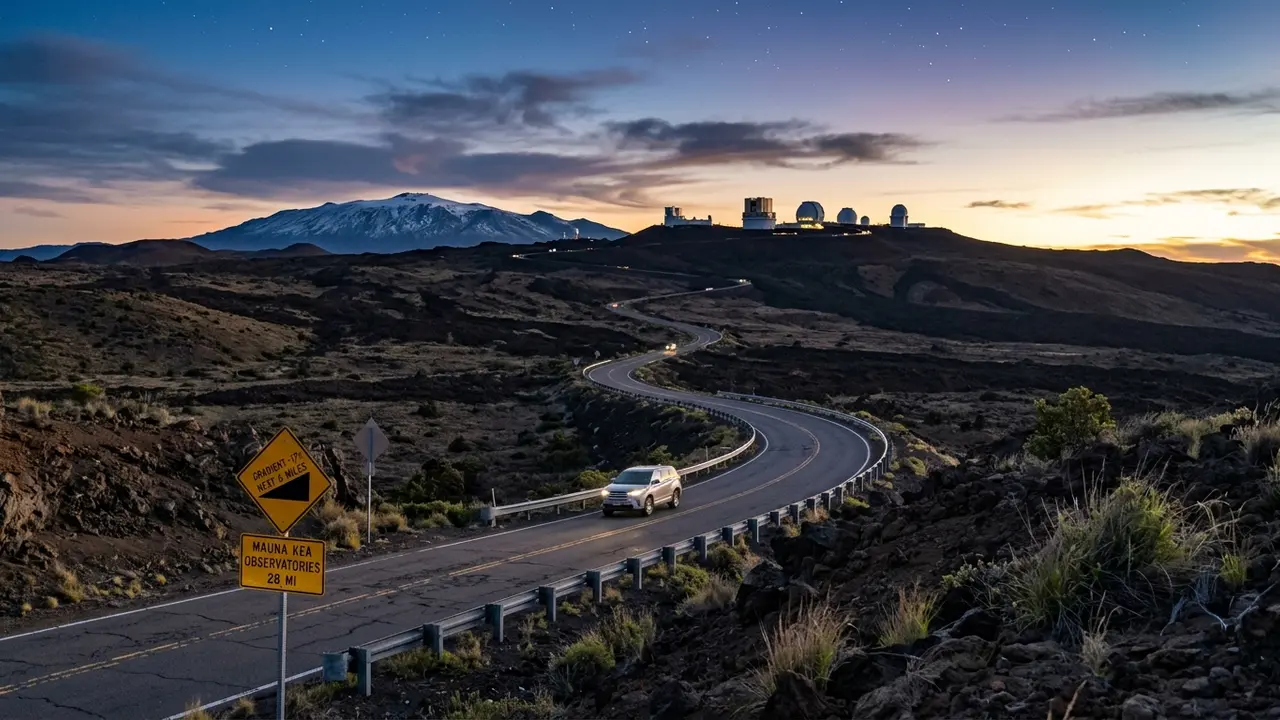
How Many Days for Mauna Kea Stargazing? A Big Island Plan
Maya Okonkwo Updated 7 min read
Two nights minimum, three if you want a weather buffer: here's how to fit Mauna Kea's altitude, sacred summit, and Saddle Road drive into your Big Island trip.
Read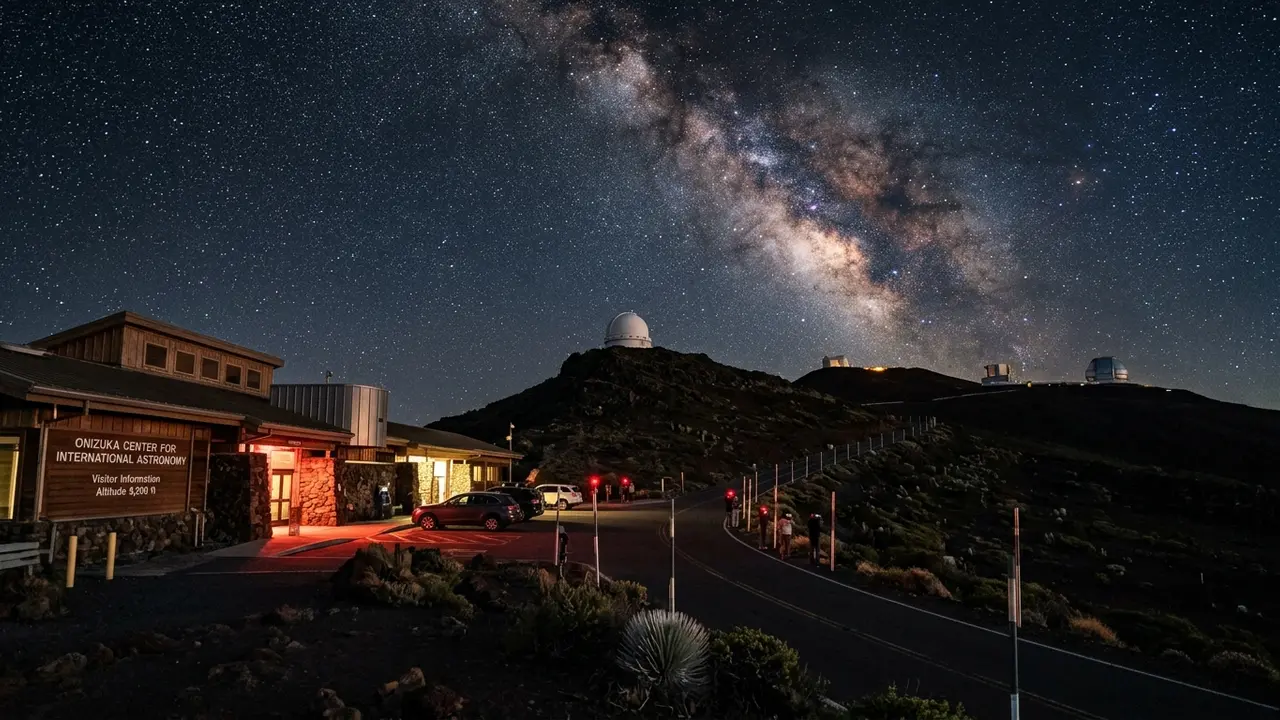
Is Mauna Kea Worth It for Stargazing?
Maya Okonkwo 7 min read
Mauna Kea's summit is sacred to Native Hawaiians and risky above 9,200 feet — here's who it's worth it for, and who should stop at the Visitor Station.
Read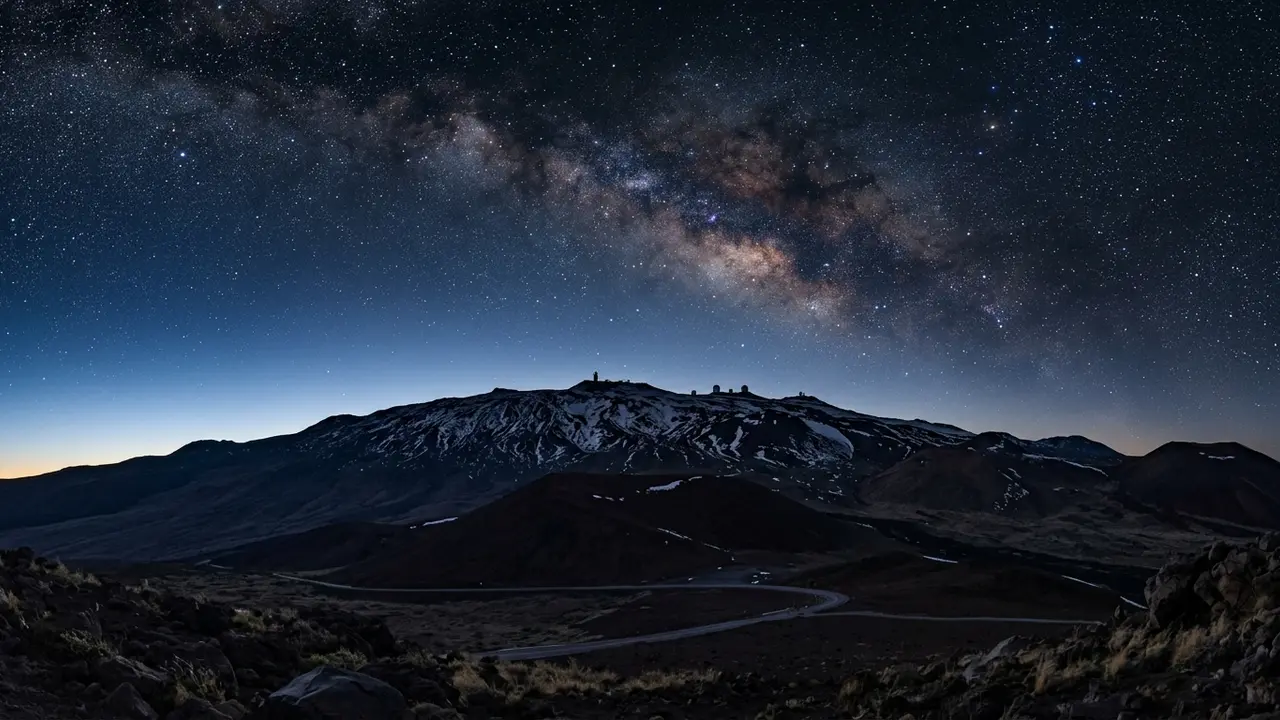
Mauna Kea Cultural Significance and How to Visit Respectfully
Maya Okonkwo Updated 9 min read
Mauna Kea is Mauna a Wākea to Native Hawaiians: sacred summit, contested history, living dispute. Here's the cultural context and etiquette every visitor needs.
Read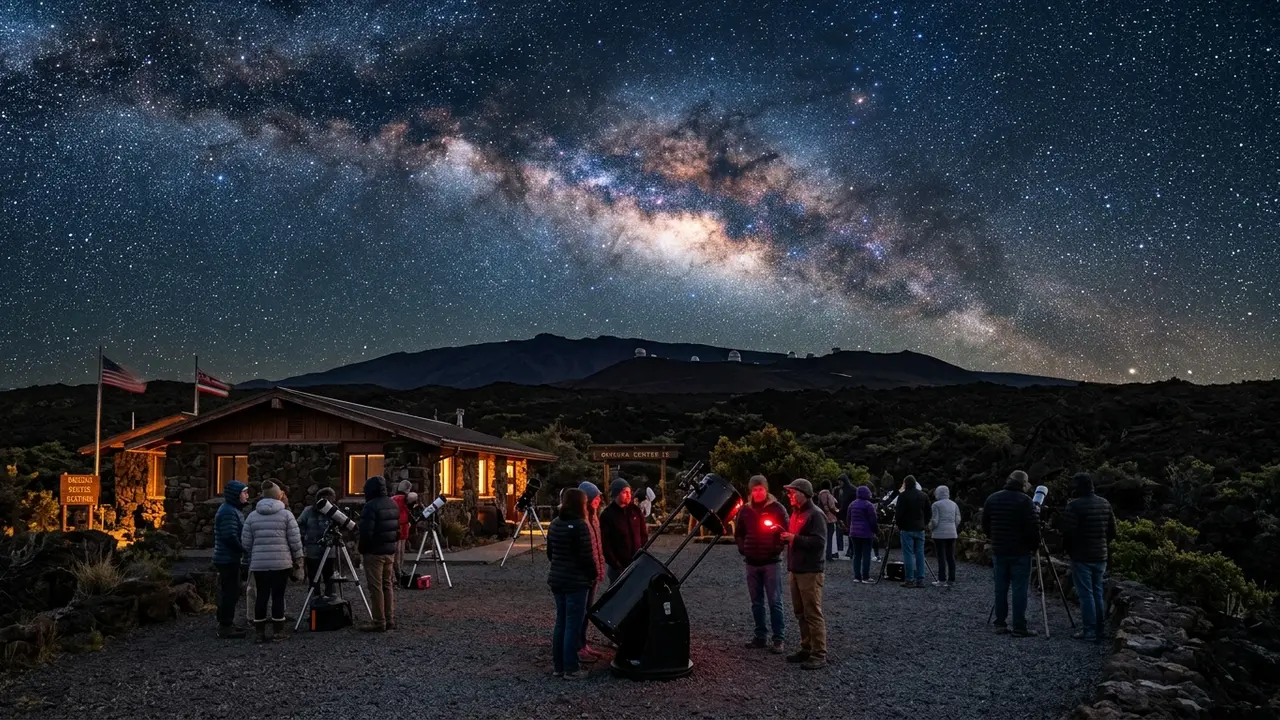
Mauna Kea Stargazing FAQ: Access, Altitude, and Culture
Maya Okonkwo 6 min read
A practical, respectful FAQ for Mauna Kea stargazing: Visitor Station hours, 4WD summit rules, altitude limits, and how to visit this sacred mountain well.
Read