Articles
Dark sky travel stories and planning essays (Page 9)
Long-form pieces I write on aurora science, astrophotography how-tos, destination deep-dives, and practical planning essays for dark-sky trips.
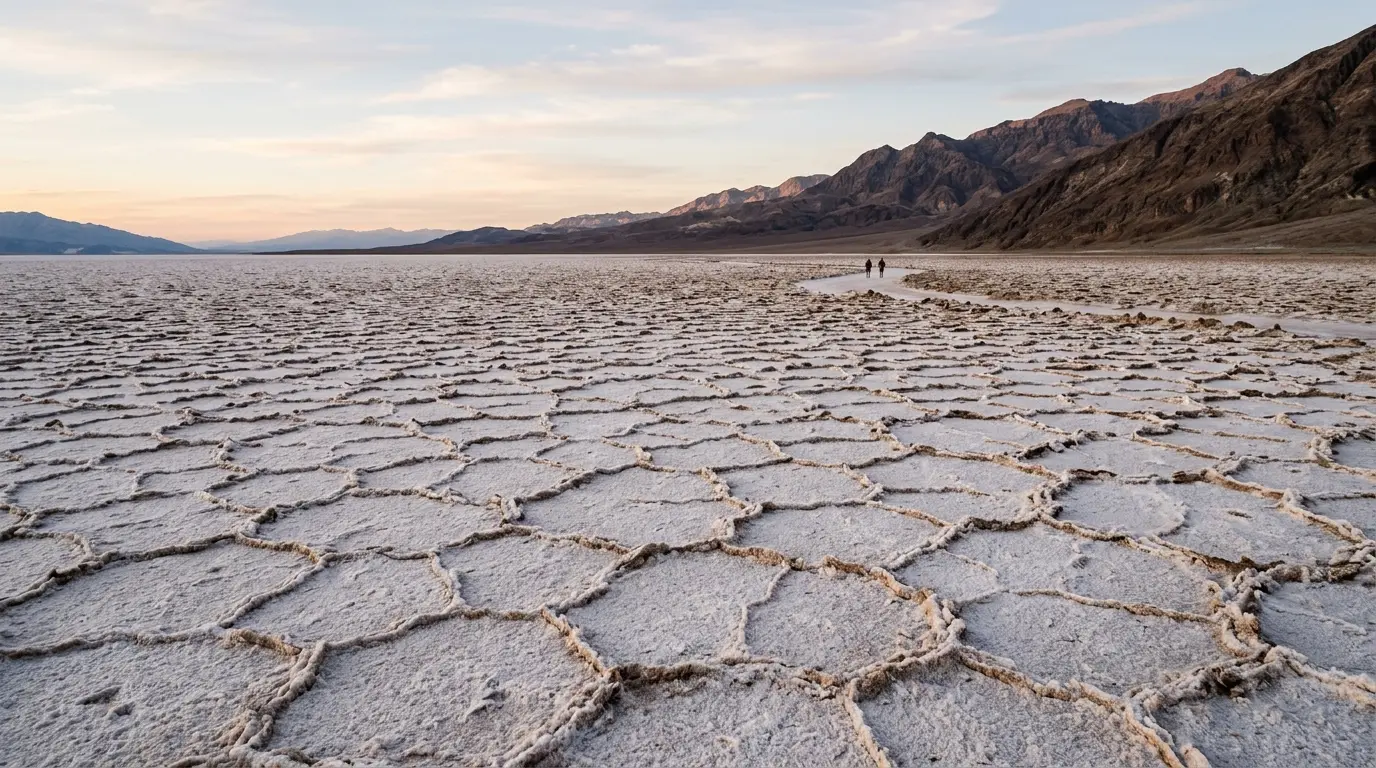
Things to Do in Death Valley Beyond Stargazing
Maya Okonkwo Updated 7 min read
Death Valley's daytime side beats the heat with Badwater Basin's salt flats, Artist's Palette's colors, and Dante's View's panorama above the valley floor.
Read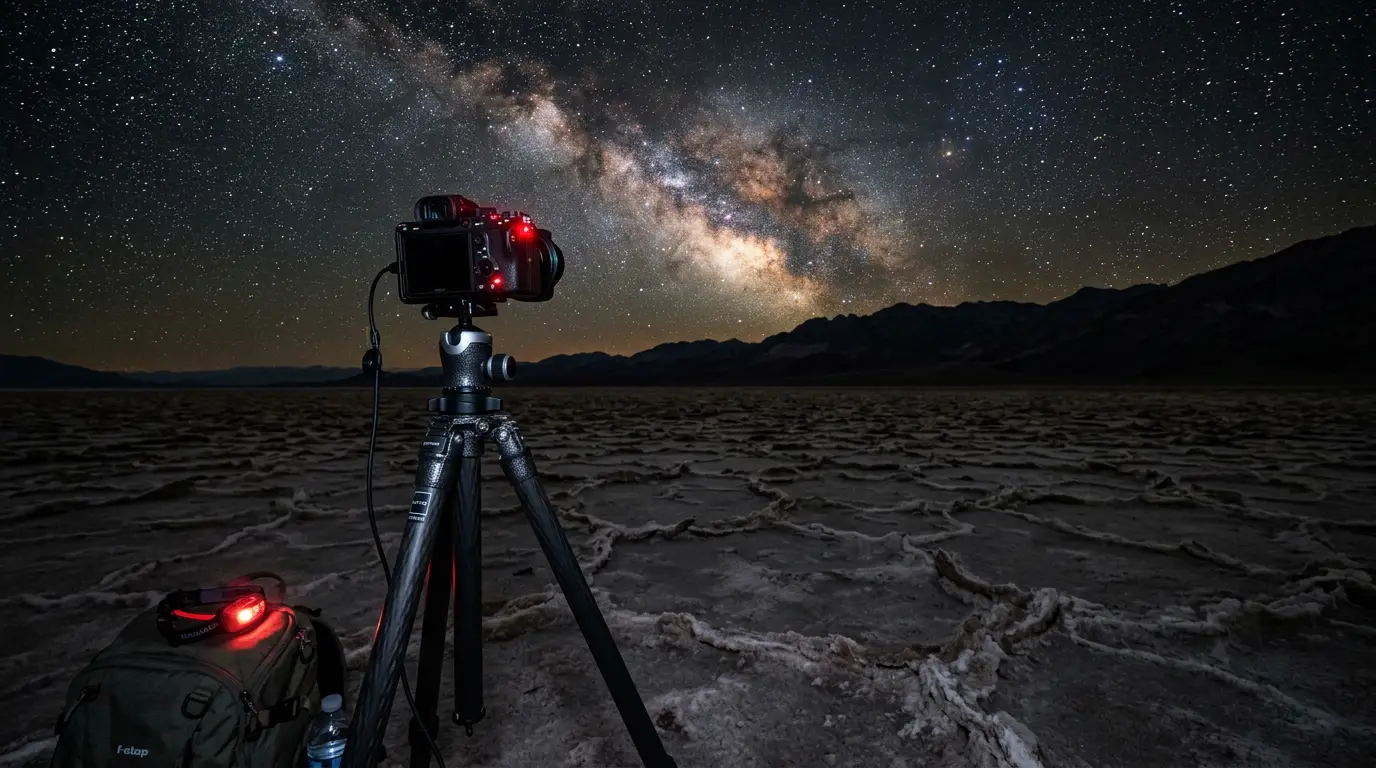
Death Valley Astrophotography Gear: Camera, Lens & Tripod
Maya Okonkwo Updated 8 min read
Camera, lens, and tripod picks for Death Valley's Gold-tier sky: wide apertures for the Milky Way, salt-flat foregrounds, and gear care for extreme heat.
Read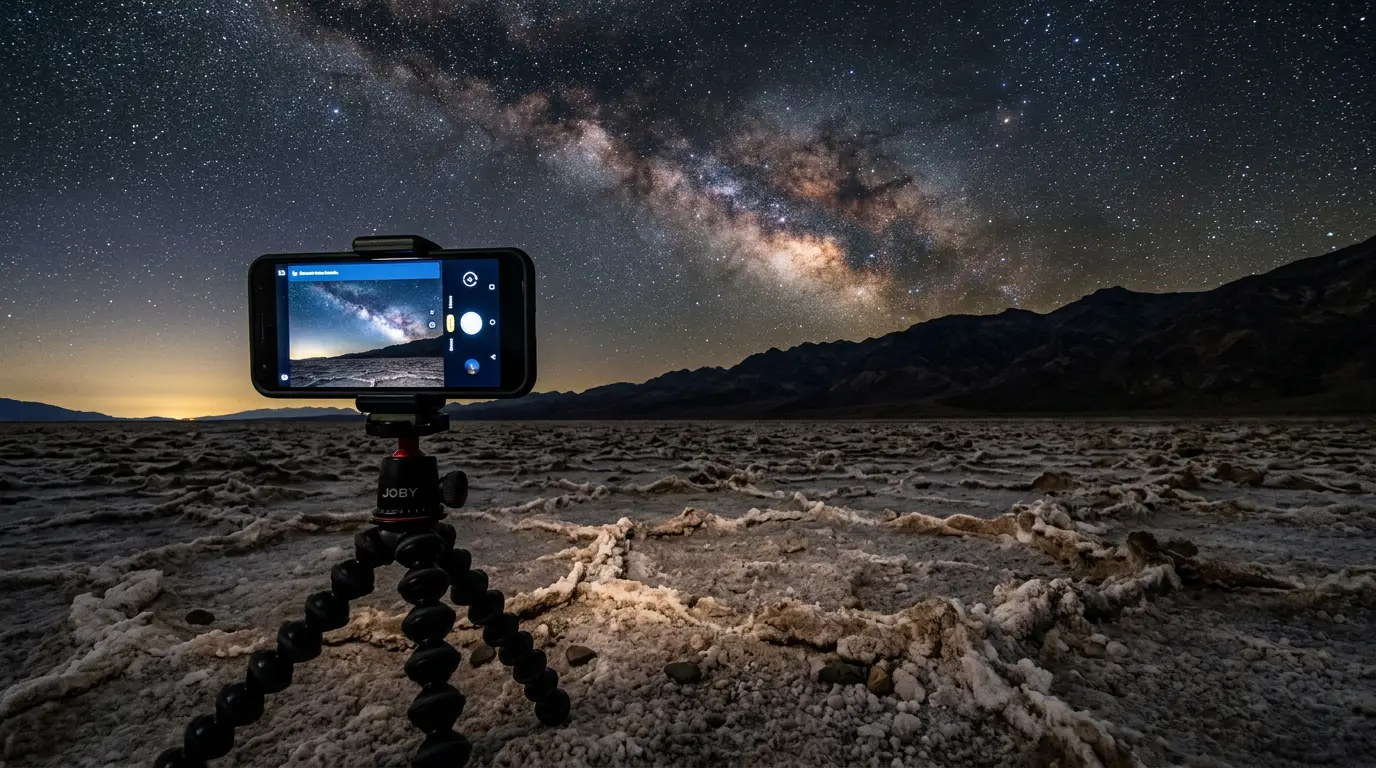
Death Valley Stargazing Photos With Your Phone
Maya Okonkwo Updated 8 min read
iPhone and Pixel Night mode can capture Death Valley's Milky Way with no extra gear: a steady phone, manual focus, and battery care for warm desert nights.
Read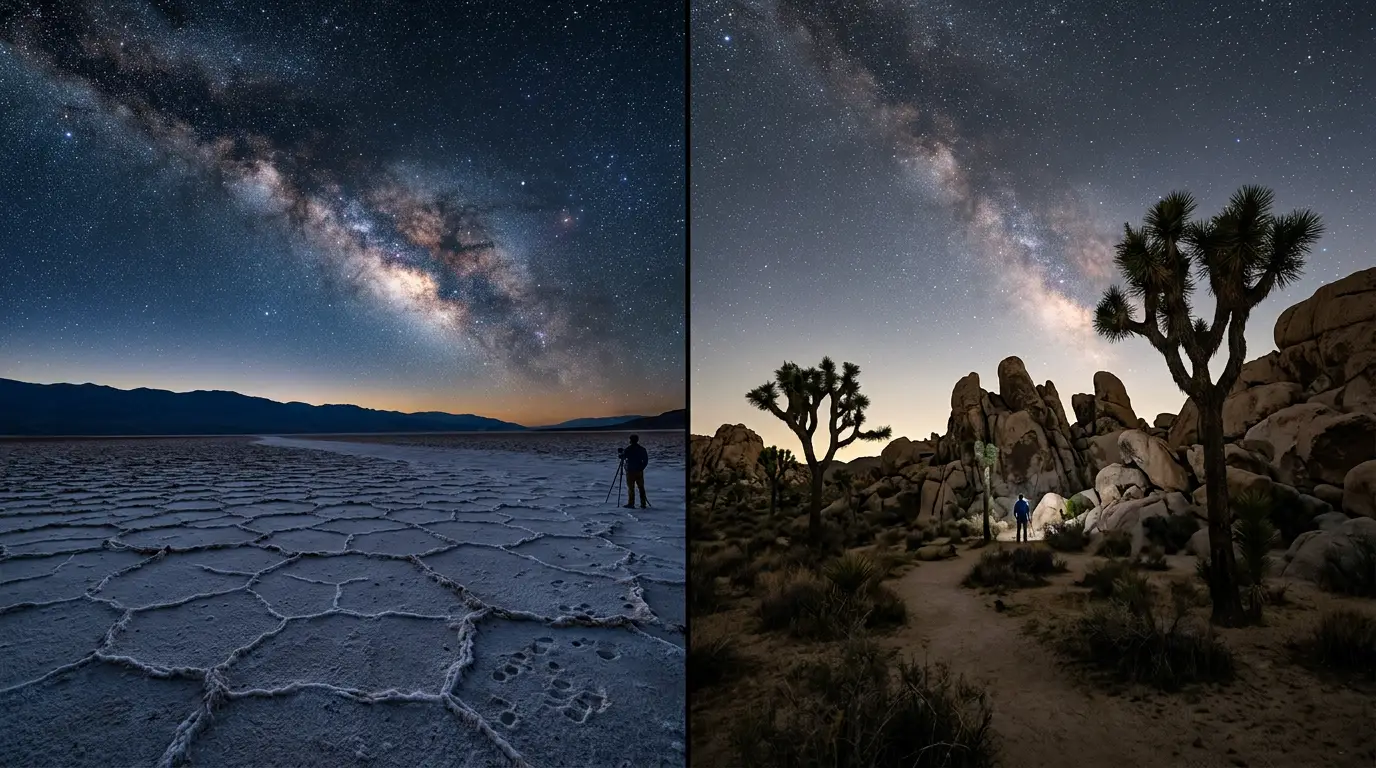
Death Valley vs Joshua Tree Stargazing: Which Fits Your Trip
Maya Okonkwo Updated 7 min read
Death Valley's Gold-Tier Bortle 1 sky demands heat, distance, and planning. Joshua Tree trades some darkness for an easy LA weekend. Here's which trip fits you.
Read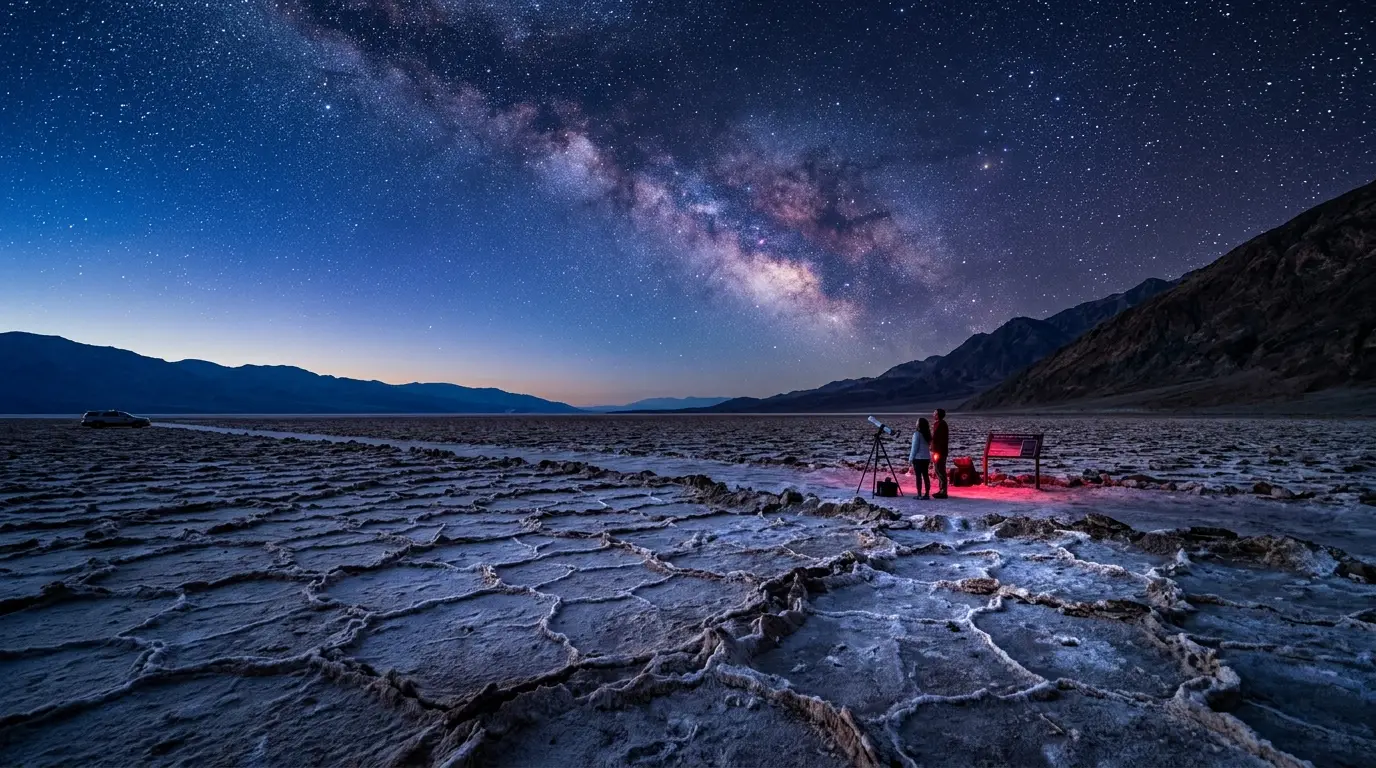
Death Valley Stargazing FAQ: Permits, Heat & Safety
Maya Okonkwo Updated 6 min read
Is Death Valley safe for stargazing, and do you need a permit? Here's what the $30 entrance fee covers, when to go, and how hot it really gets at night.
Read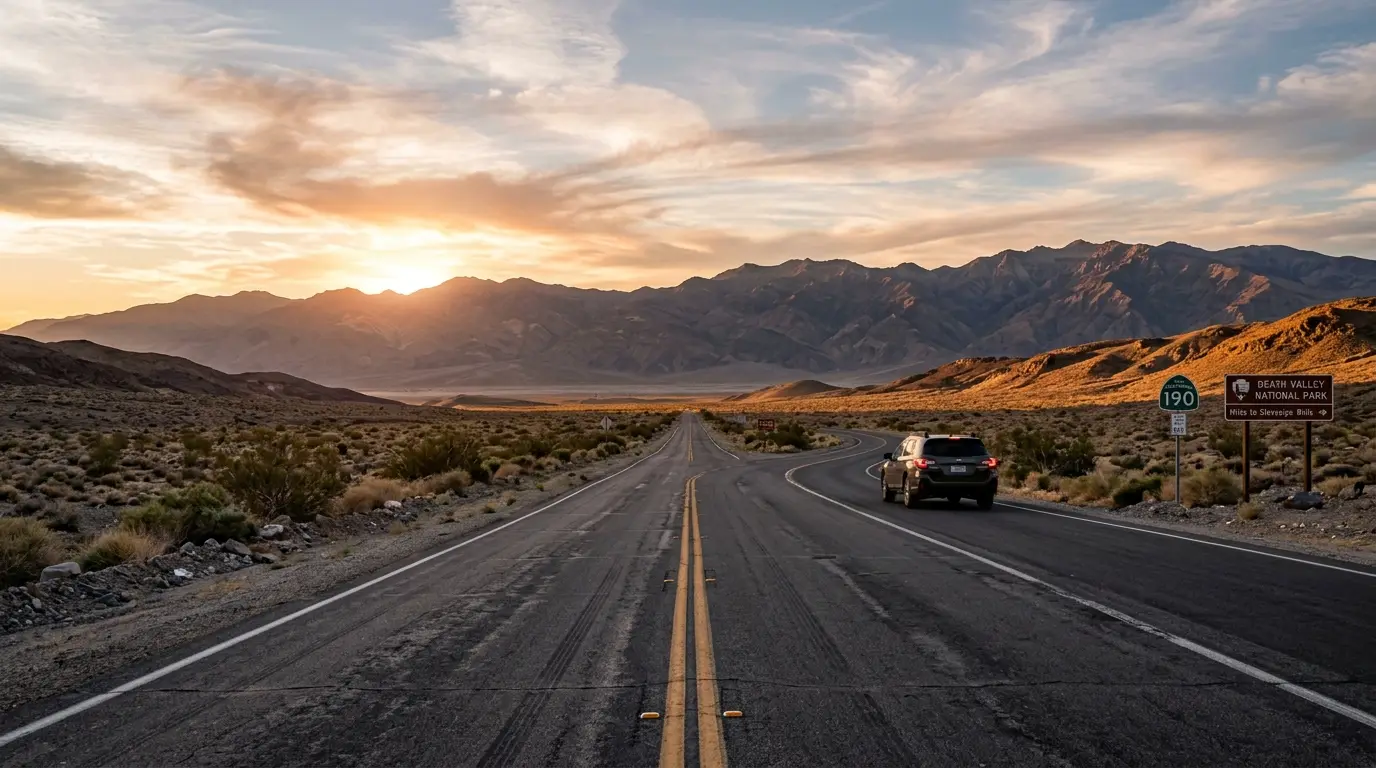
Getting to Death Valley: Routes From Las Vegas and LA
Maya Okonkwo Updated 7 min read
Death Valley is two hours from Las Vegas, five from LA, on paved roads any rental car handles. The fastest routes, entrance fees, and when you need 4x4.
Read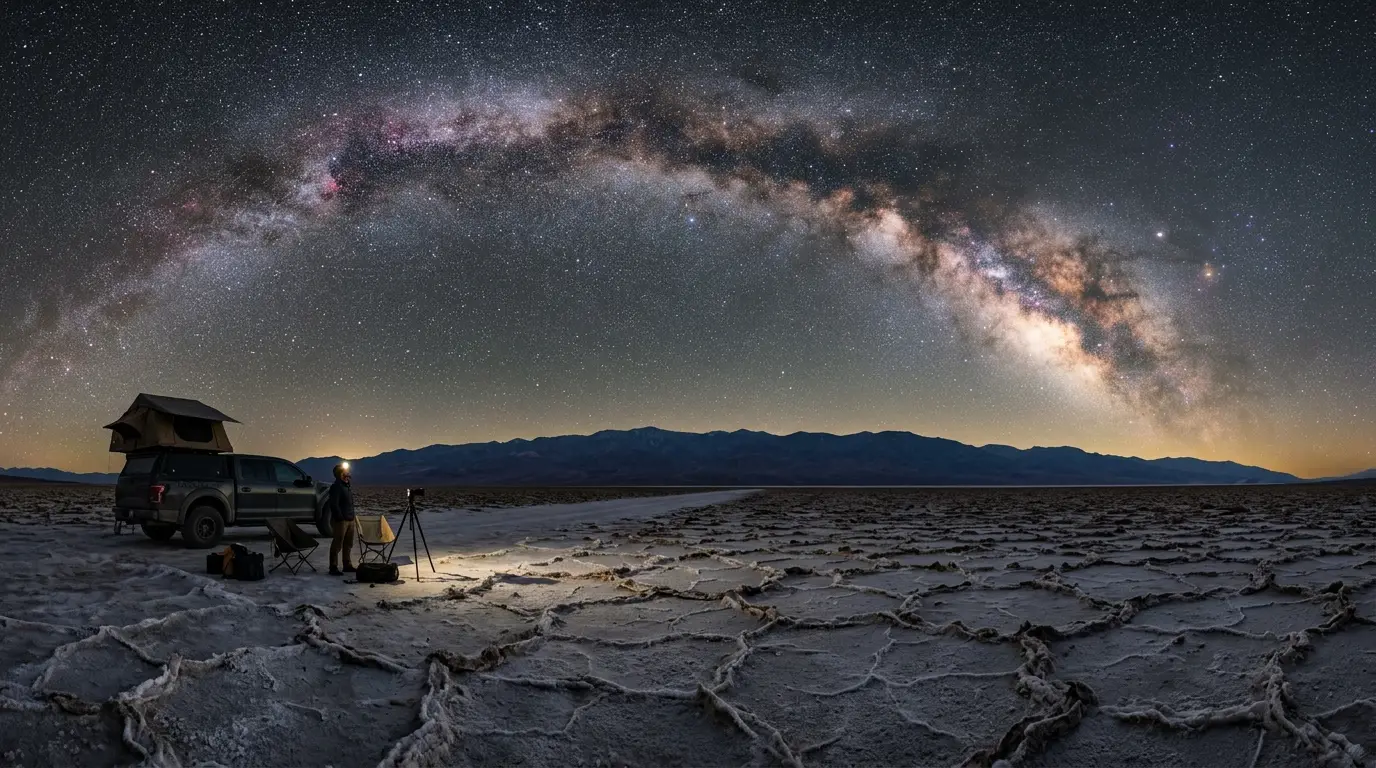
How Many Days for Death Valley Stargazing? 2 vs 3 Nights
Maya Okonkwo Updated 6 min read
Death Valley's 3.4M-acre Gold Tier sky rewards 2-3 nights: one risks a washout, two adds a weather backup, three covers Badwater, Mesquite Flat, Furnace Creek.
Read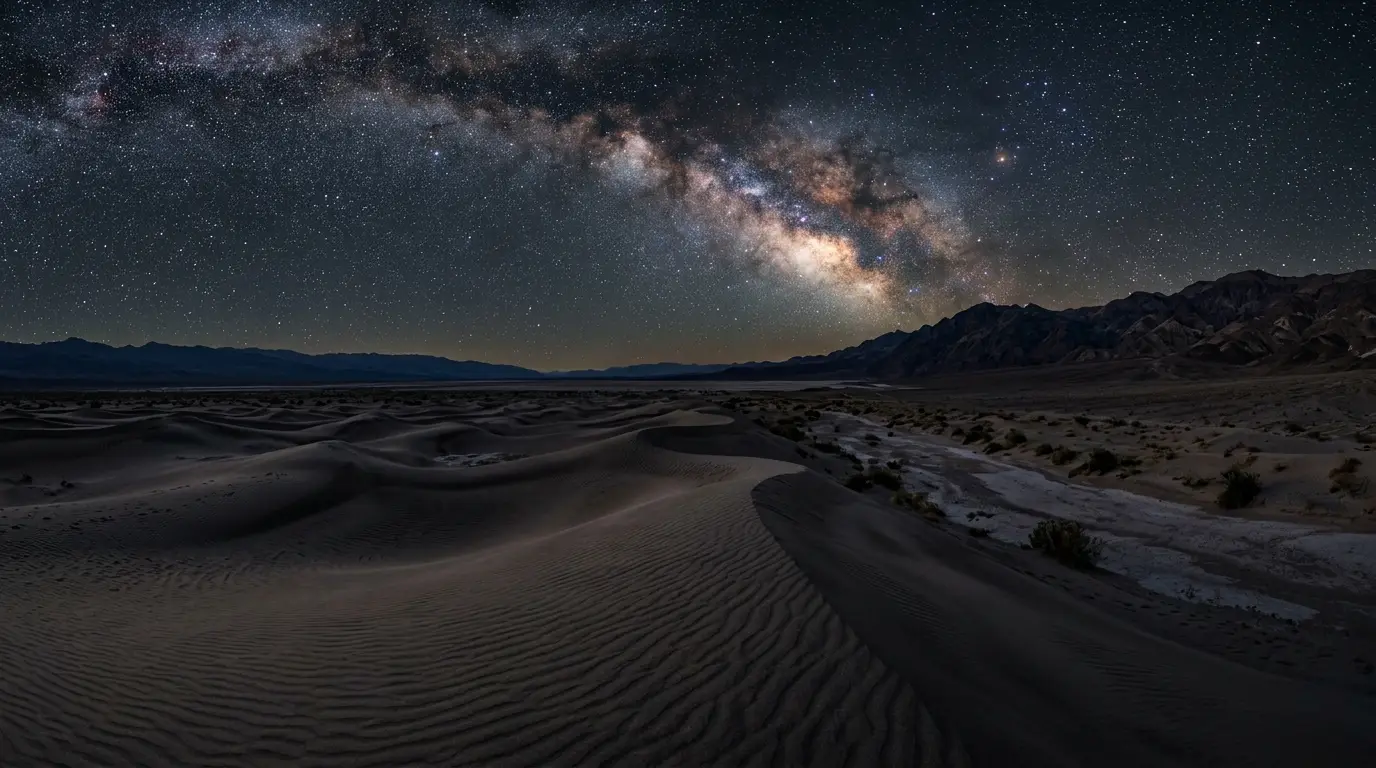
Is Death Valley Worth It for Stargazing?
Maya Okonkwo Updated 7 min read
Death Valley's skies are Gold Tier and Bortle 1-2, but summer highs can top 120°F and the nearest city is two hours away. Here's the honest trade-off.
Read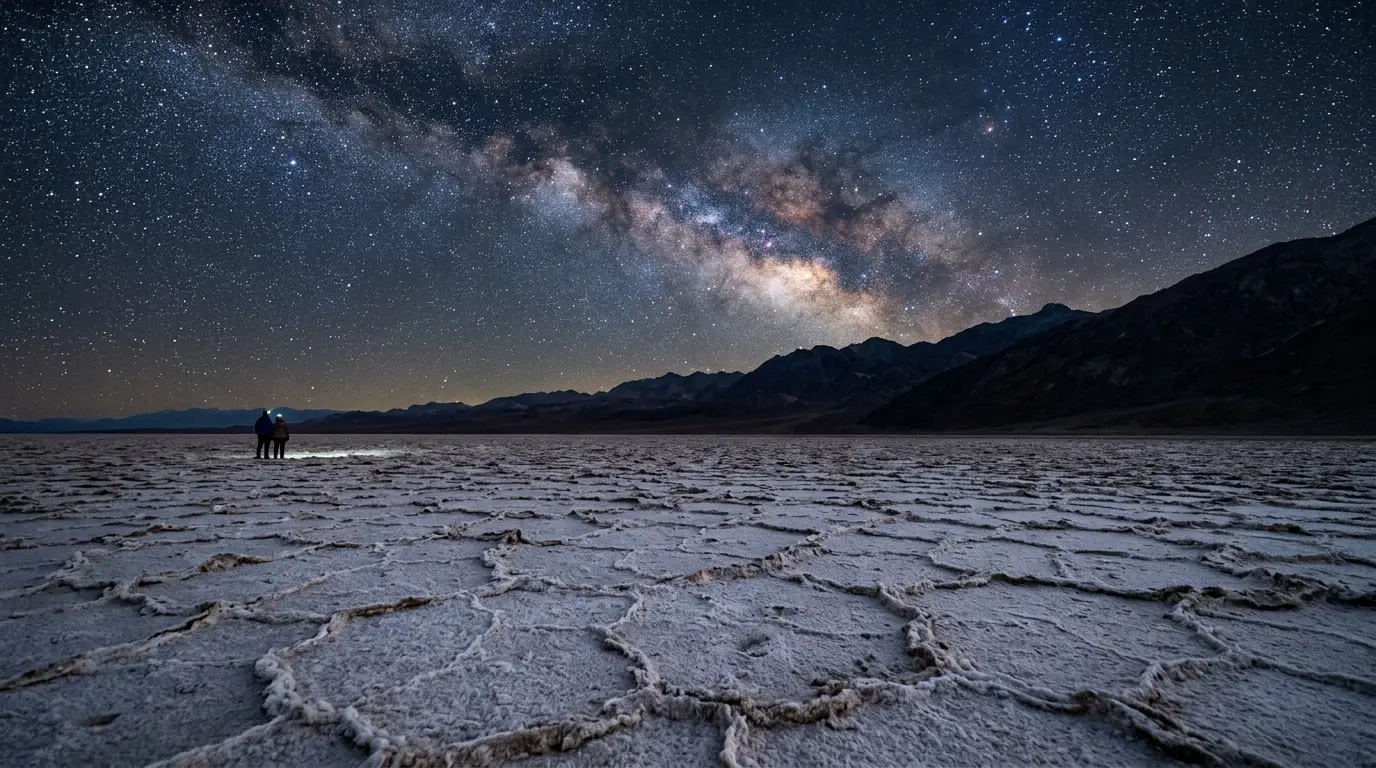
Best Stargazing Spots in Death Valley: 4 Places to Know
Maya Okonkwo Updated 7 min read
Four named spots handle Death Valley's Gold Tier sky differently: Badwater's horizon, Zabriskie's overlook, Mesquite Flat's dunes, Ubehebe's isolation.
Read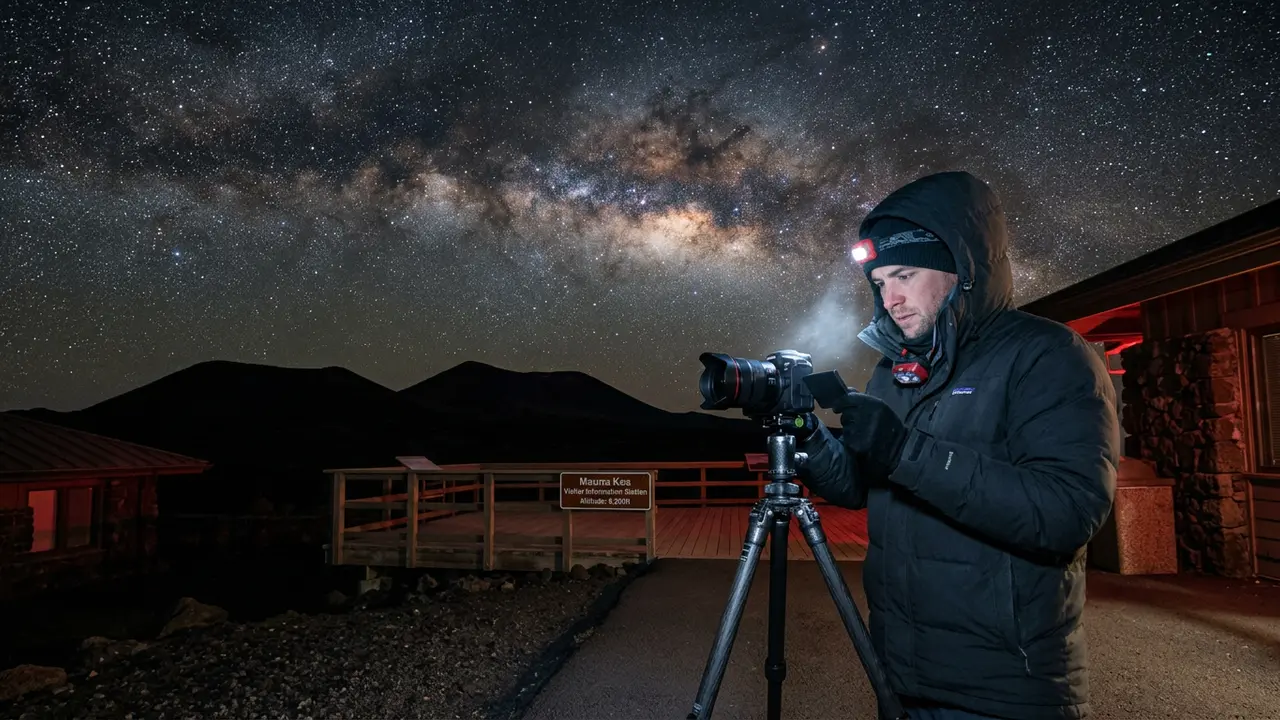
Mauna Kea Astrophotography Gear: A Cold-Weather Guide
Maya Okonkwo 8 min read
Cold, thin air, and wind change how cameras behave on Mauna Kea. A gear guide for astrophotographers shooting respectfully from the Visitor Information Station.
Read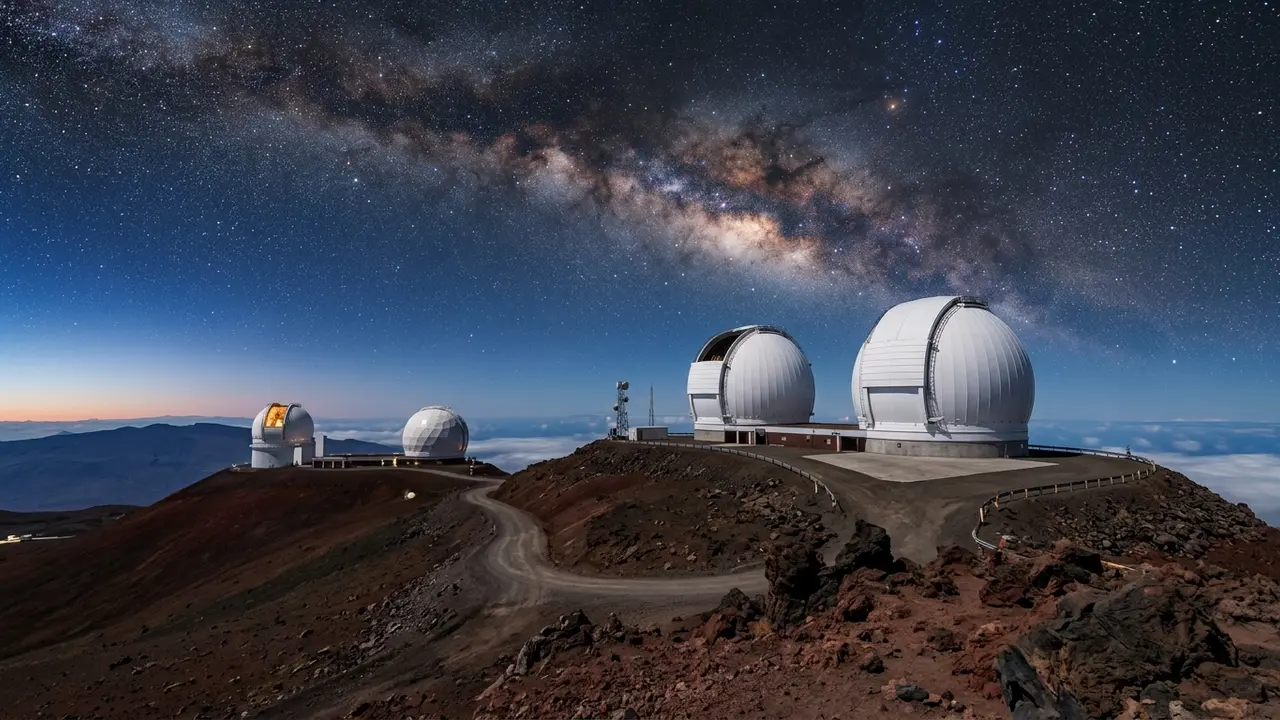
Mauna Kea Observatories Explained: Why the Summit Works
Maya Okonkwo Updated 7 min read
Mauna Kea's 13,796-foot summit sits above 40% of Earth's atmosphere, home to Keck's twin domes, Subaru, and Gemini North, on land sacred to Native Hawaiians.
Read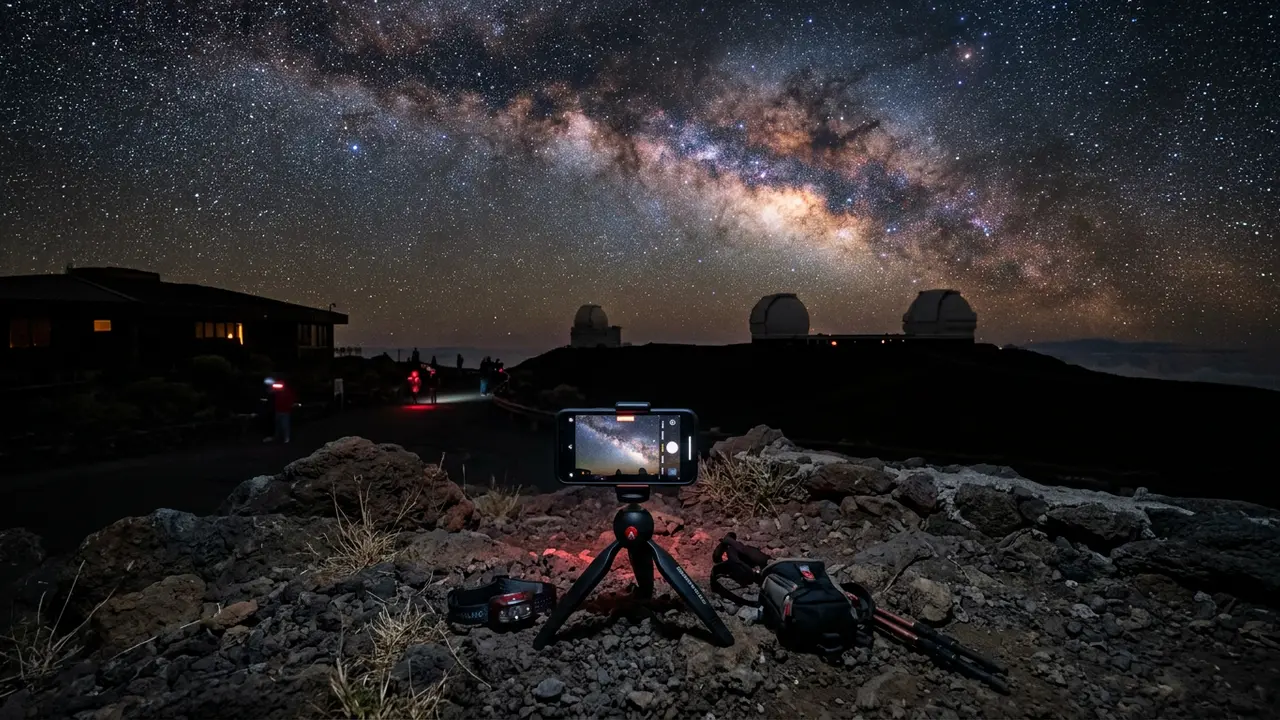
Mauna Kea Smartphone Stargazing Photography Guide
Maya Okonkwo Updated 7 min read
Photograph the Milky Way at Mauna Kea's Visitor Station using only a phone: night mode, tripod tricks, manual focus, framed by the mountain's sacred history.
Read