Articles
Dark sky travel stories and planning essays (Page 14)
Long-form pieces I write on aurora science, astrophotography how-tos, destination deep-dives, and practical planning essays for dark-sky trips.
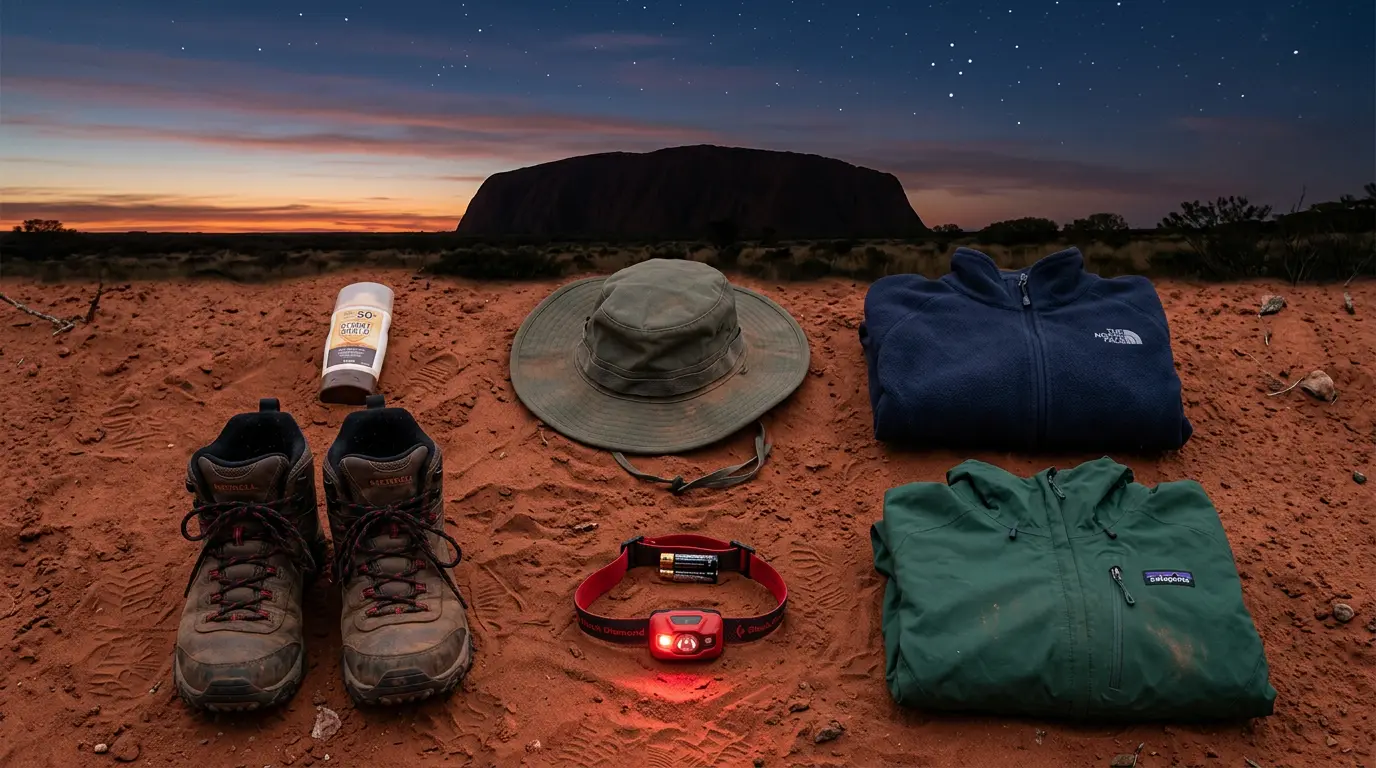
Uluru Stargazing Packing List: Desert Heat to Night Cold
Maya Okonkwo Updated 8 min read
Uluru's summer days push past 40°C while winter nights drop toward freezing. What to pack for sun, dehydration, the cold night tour, and Yulara's limited shops.
Read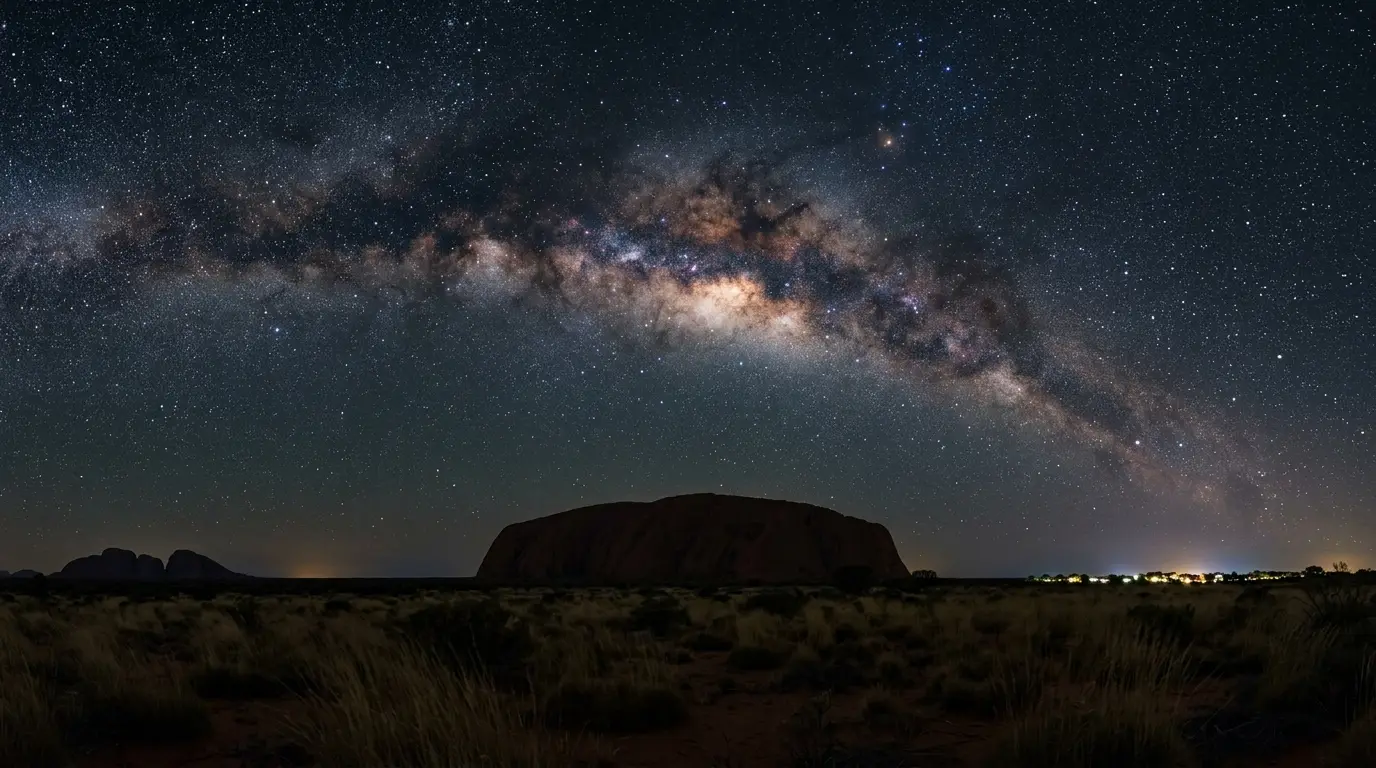
Uluru Stargazing FAQ: Tours, Passes, Weather & Etiquette
Maya Okonkwo Updated 7 min read
Real answers on Uluru stargazing: best season, the licensed night tour, park pass cost, packing, the forecast, lodging, and respectful etiquette rules.
Read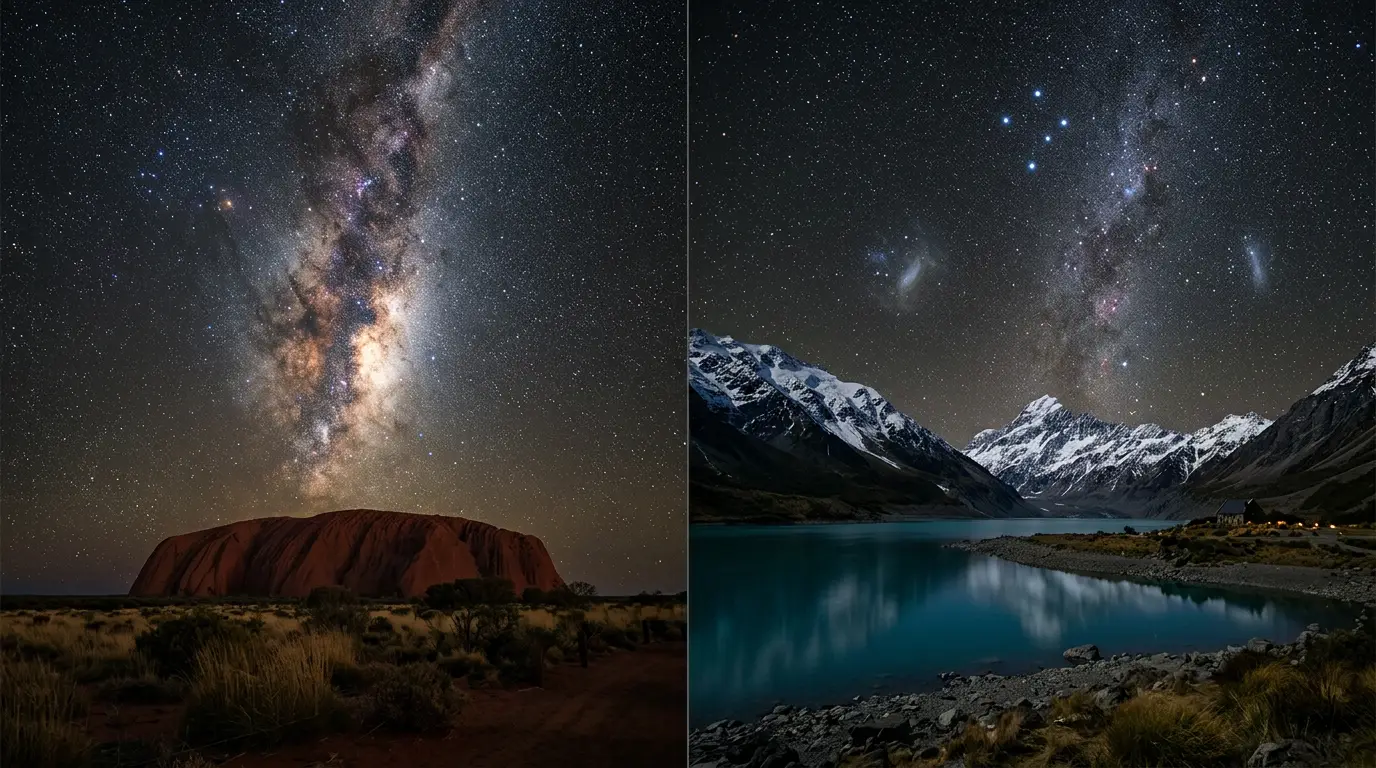
Uluru vs Aoraki Mackenzie Stargazing: How to Choose
Maya Okonkwo Updated 8 min read
Uluru and Aoraki Mackenzie both deliver Southern Hemisphere skies worth the flight. Here's how their governance, landscape, and access actually compare.
Read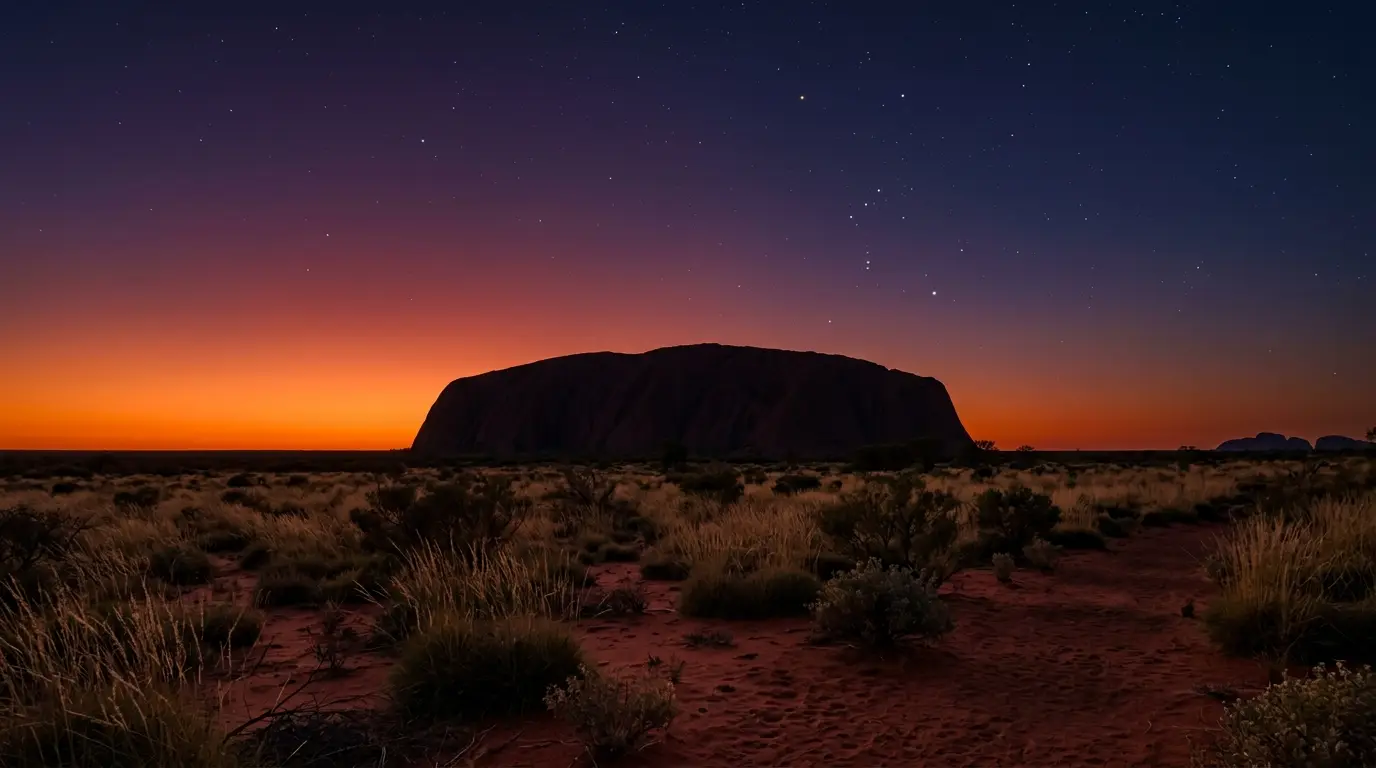
Best Stargazing Spots at Uluru: Named Viewing Areas
Maya Okonkwo Updated 8 min read
Uluru's five viewing areas were built for sunrise and sunset, not deep-night stargazing. Here's where they work after dark, and the one licensed night tour.
Read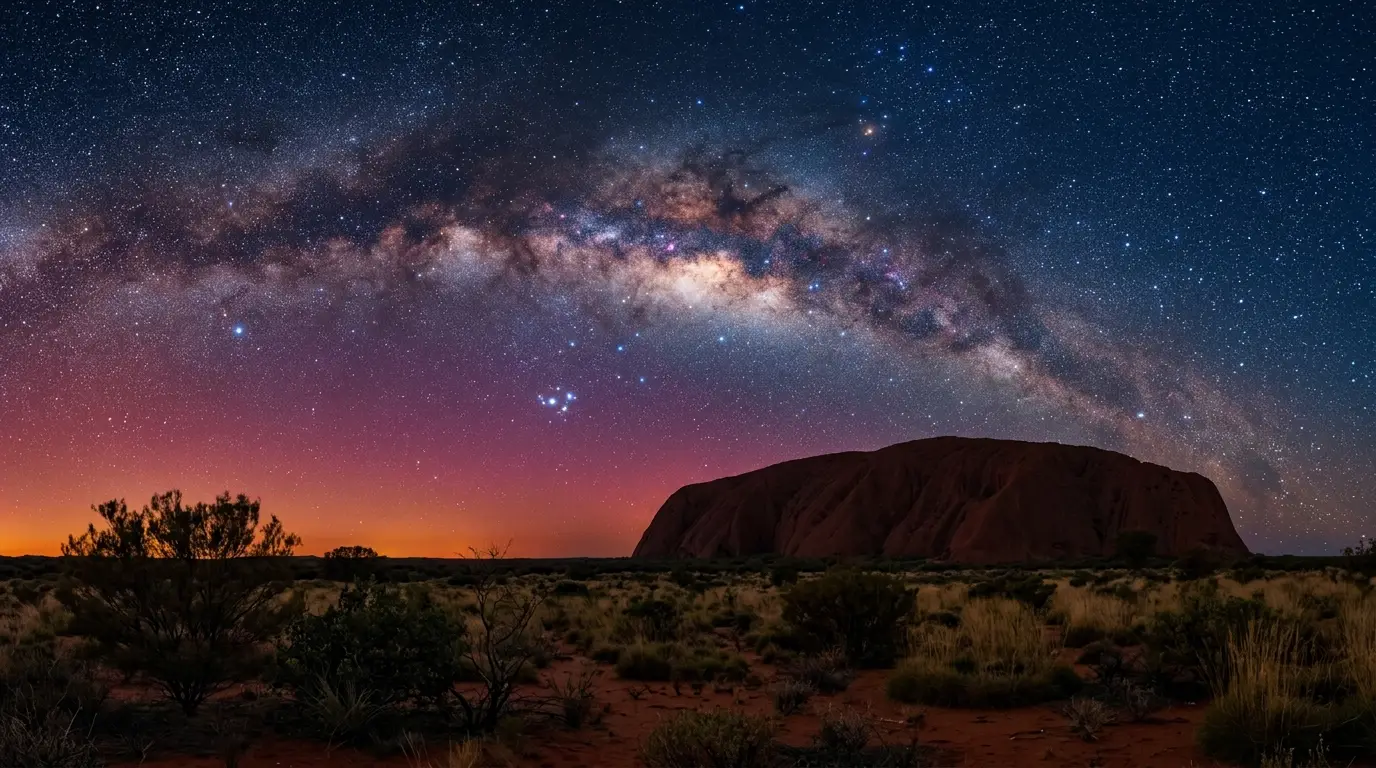
How Many Days: Uluru Stargazing
Maya Okonkwo Updated 6 min read
Uluru's park pass sells only in 3-day blocks, and one licensed operator runs the night tour. Here's why two to three nights, not one, gets you a clear sky.
Read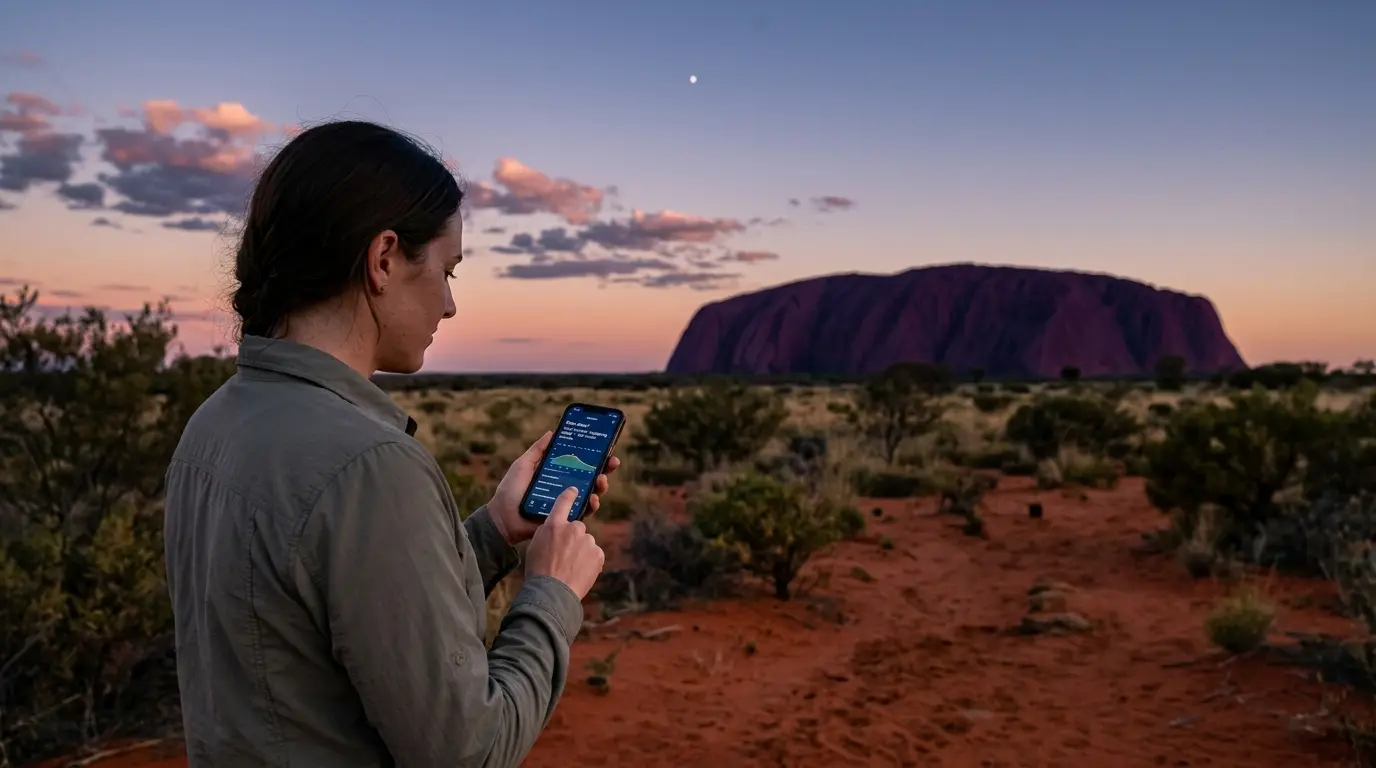
Uluru Stargazing Weather Forecast: How to Check It
Maya Okonkwo Updated 7 min read
BOM's Yulara page gives Uluru an 8-day forecast, but accuracy drops fast past a week. Here's exactly when to recheck it, and how to check the moon phase too.
Read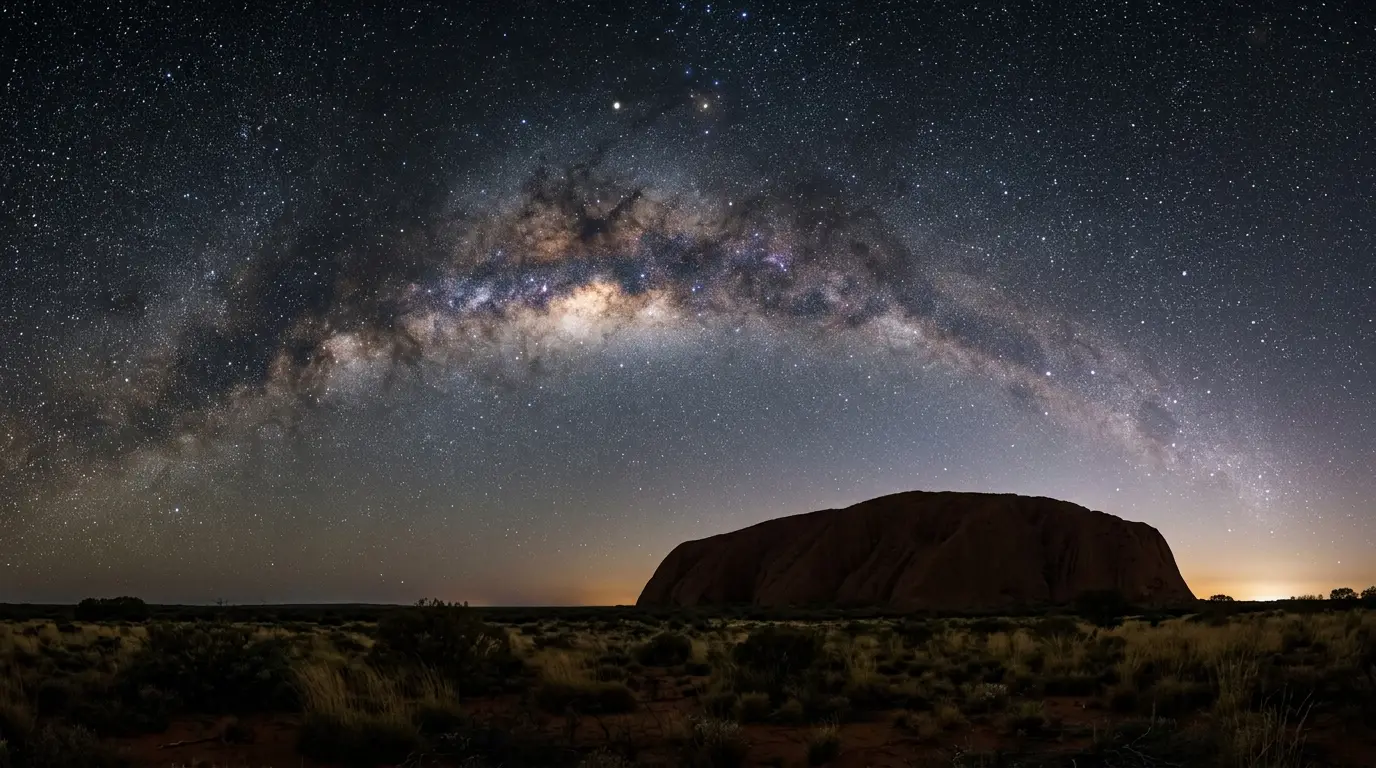
Best Time to See Stars at Uluru: A Seasonal Guide
Maya Okonkwo Updated 7 min read
Uluru's desert sky is dark almost year-round, but the park closes at night, and only one licensed tour gets you in when winter's cool, dry air is at its best.
Read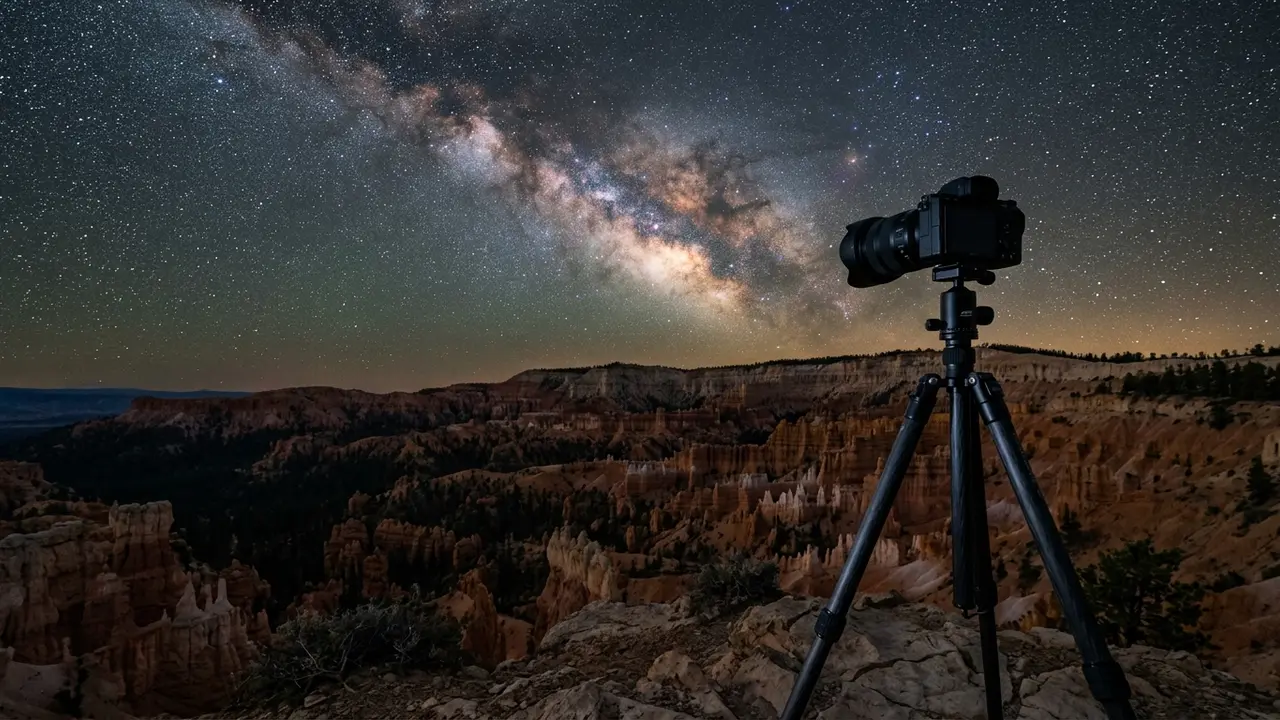
Bryce Canyon Astrophotography Gear: Camera, Lens & Tripod
Maya Okonkwo Updated 8 min read
Camera, lens, and tripod picks for Bryce Canyon's Gold-tier dark sky: wide apertures for the Milky Way, hoodoo framing, and cold-battery care at 8,000 feet.
Read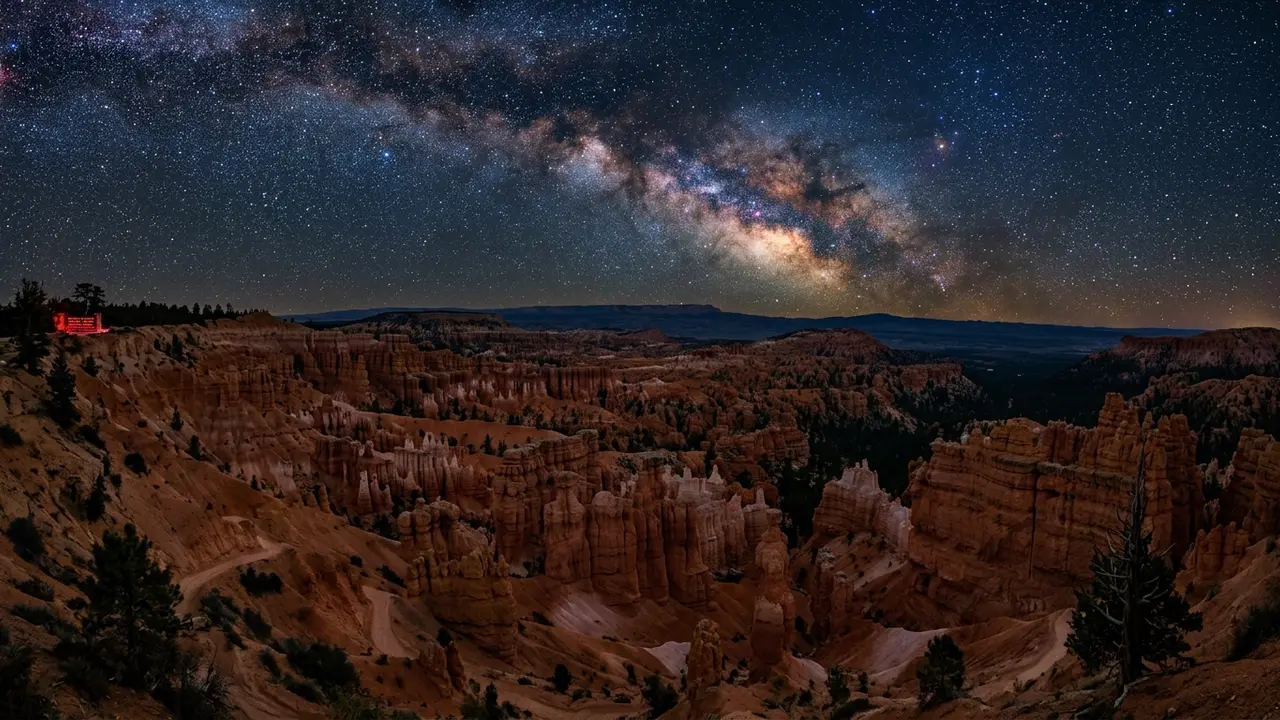
Bryce Canyon Dark Sky Certification, Explained
Maya Okonkwo Updated 6 min read
Bryce Canyon earned Gold Tier International Dark Sky Park certification in 2019. Here's exactly what that rating requires, and why elevation seals the deal.
Read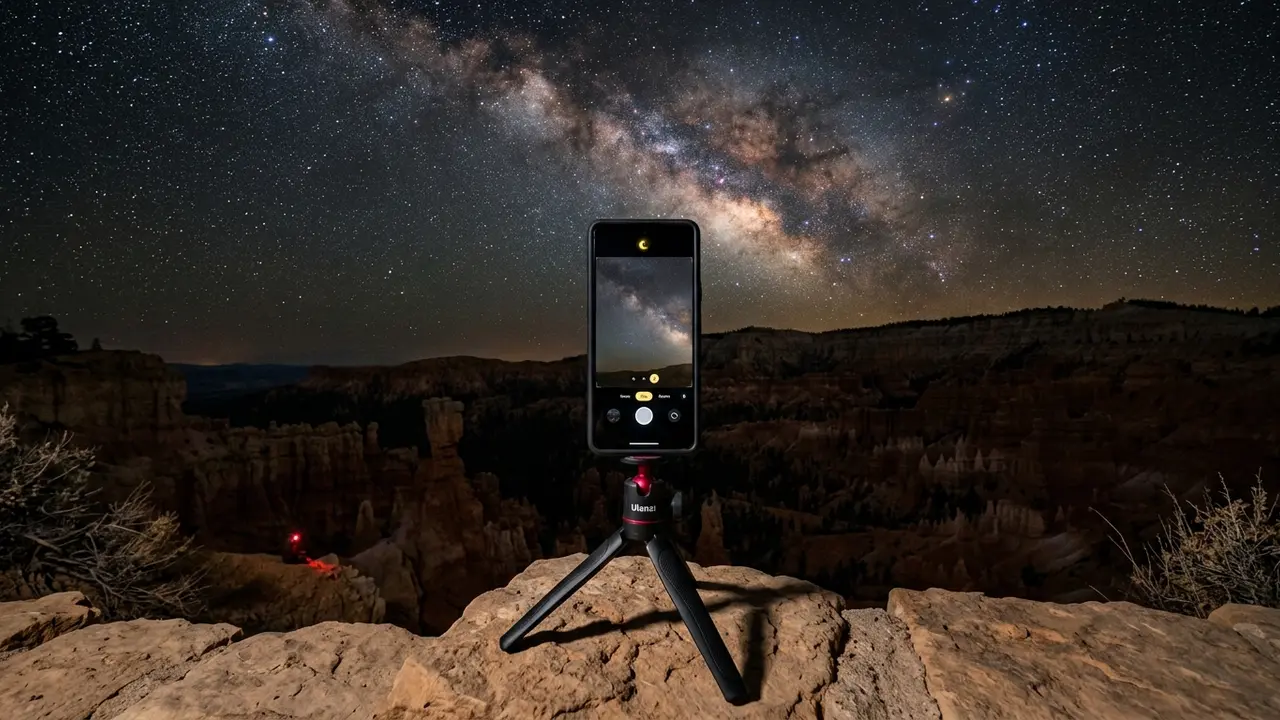
Bryce Canyon Stargazing Photos With Your Phone
Maya Okonkwo Updated 8 min read
iPhone Night mode can capture Bryce Canyon's Milky Way with no extra gear: a steady phone, the right setting, and battery care for cold desert nights.
Read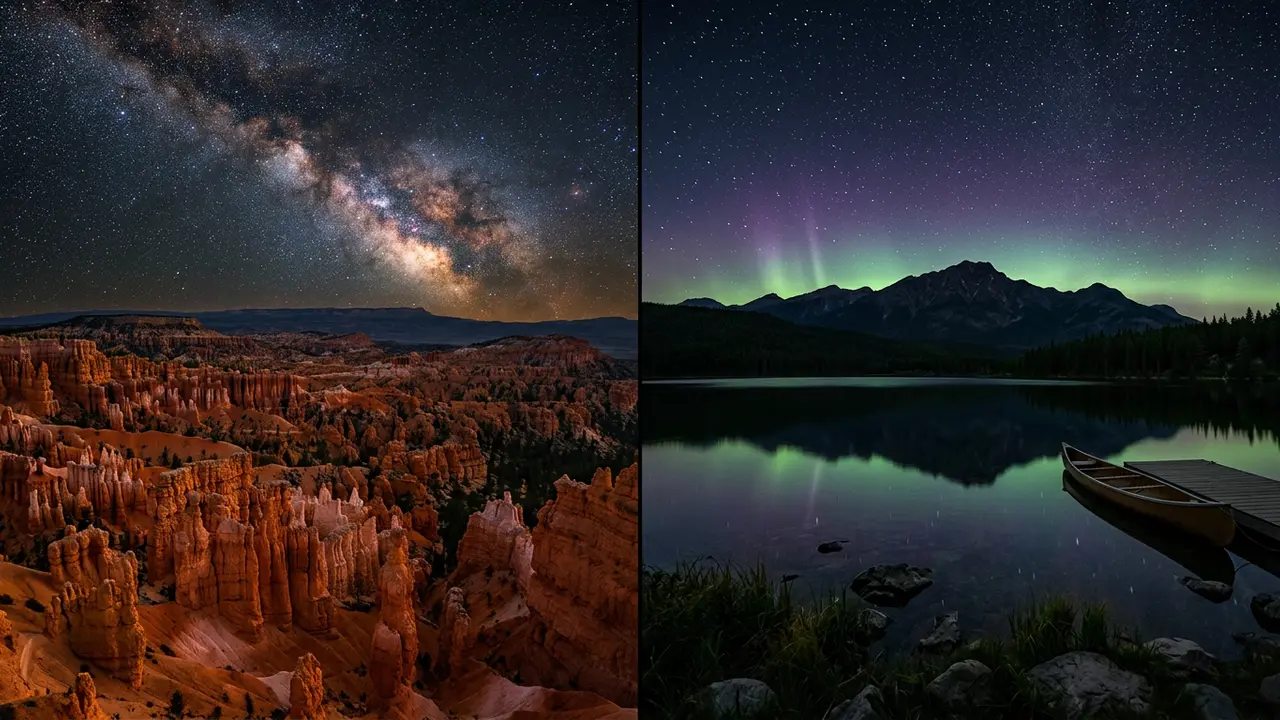
Bryce Canyon vs Jasper Dark Sky: Park or Preserve?
Maya Okonkwo Updated 8 min read
Bryce's Gold Tier sky and Jasper's giant RASC Dark-Sky Preserve answer different questions: an easy Utah drive versus Canada's aurora-bonus Rockies trip.
Read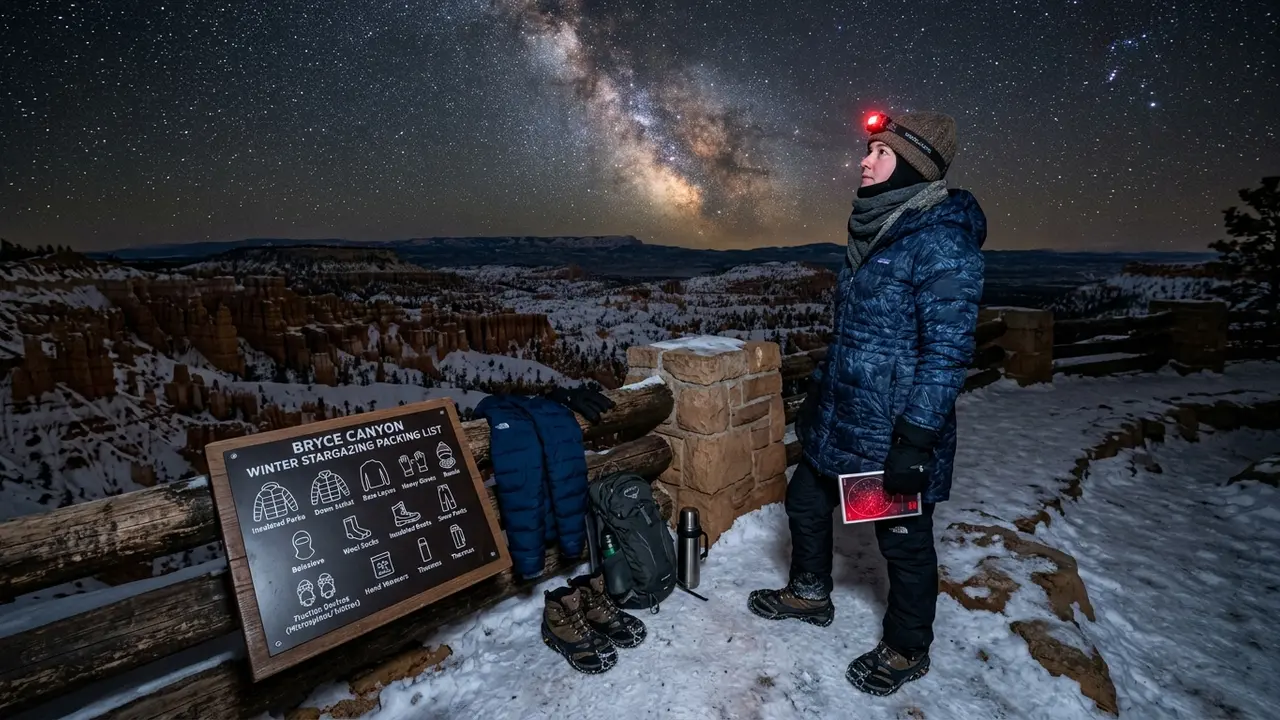
Bryce Canyon Winter Stargazing Packing List
Maya Okonkwo Updated 7 min read
Bryce Canyon's winter cold comes from 8,000+ feet of elevation, not deep-Arctic extremes. What to pack for icy trails, closed roads, and hours on a dark rim.
Read