Articles
Dark sky travel stories and planning essays (Page 15)
Long-form pieces I write on aurora science, astrophotography how-tos, destination deep-dives, and practical planning essays for dark-sky trips.
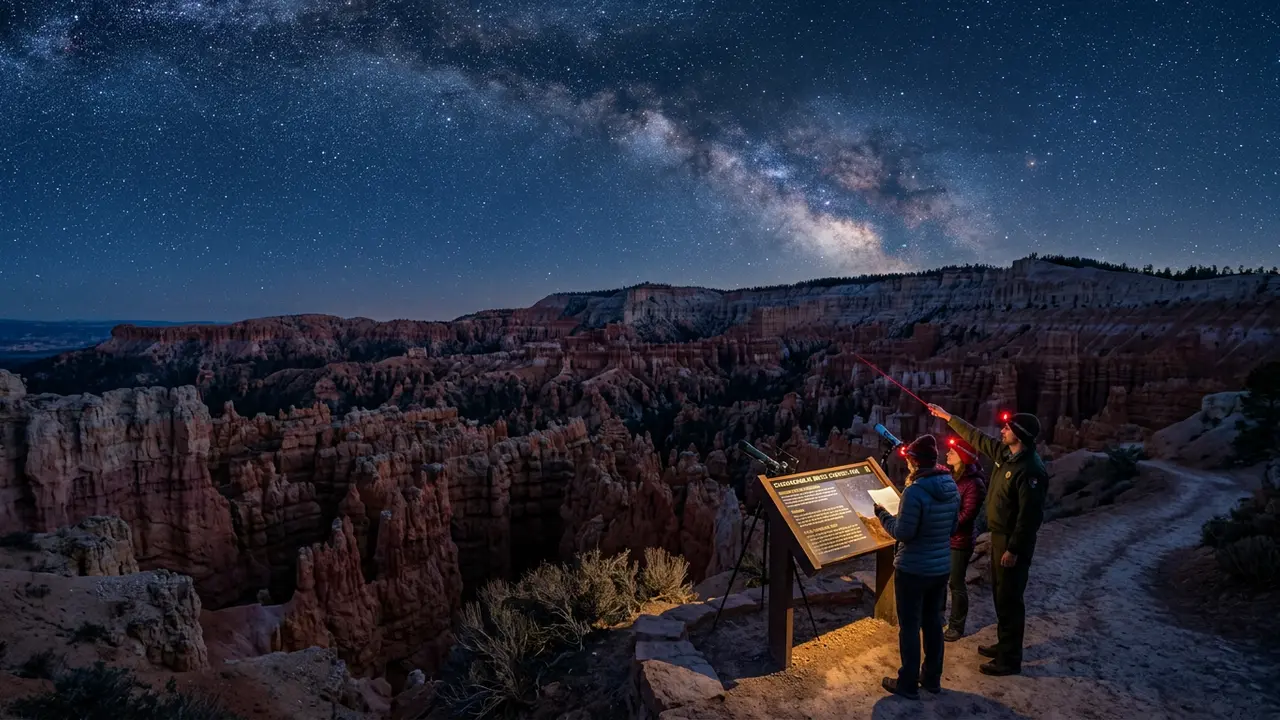
Bryce Canyon Stargazing FAQ: What to Know Before You Go
Maya Okonkwo Updated 6 min read
Do you need a permit to stargaze at Bryce Canyon? How cold does it get, and is it family-friendly? Answers to the questions visitors actually ask before a trip.
Read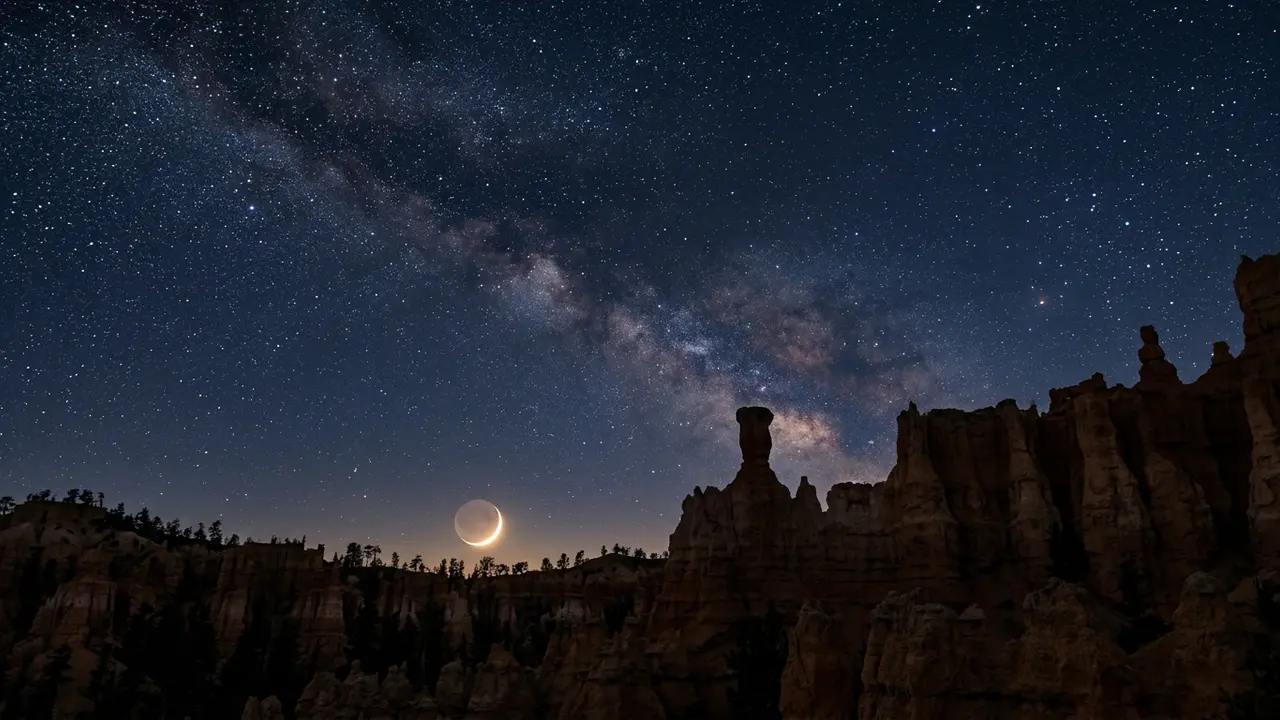
Bryce Canyon Stargazing Forecast: How to Check the Sky
Maya Okonkwo Updated 7 min read
Bryce Canyon's Gold Tier sky doesn't guarantee a clear night. Here's how to read the Clear Sky Chart, check the forecast, and time a trip around the new moon.
Read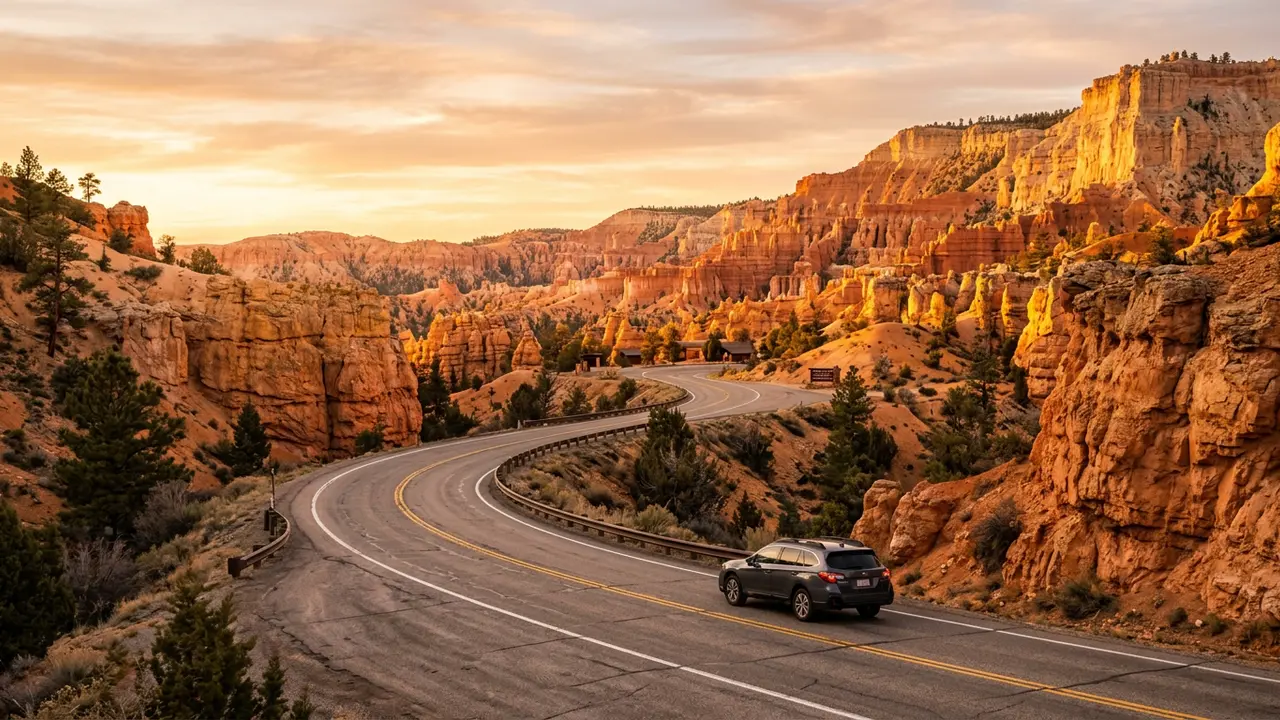
Getting to Bryce Canyon: Roads, Airports, and the Shuttle
Maya Okonkwo Updated 6 min read
Bryce Canyon has no train or bus route in. Here's how to drive from Las Vegas, Salt Lake City, or St. George, plus how the park's free seasonal shuttle works.
Read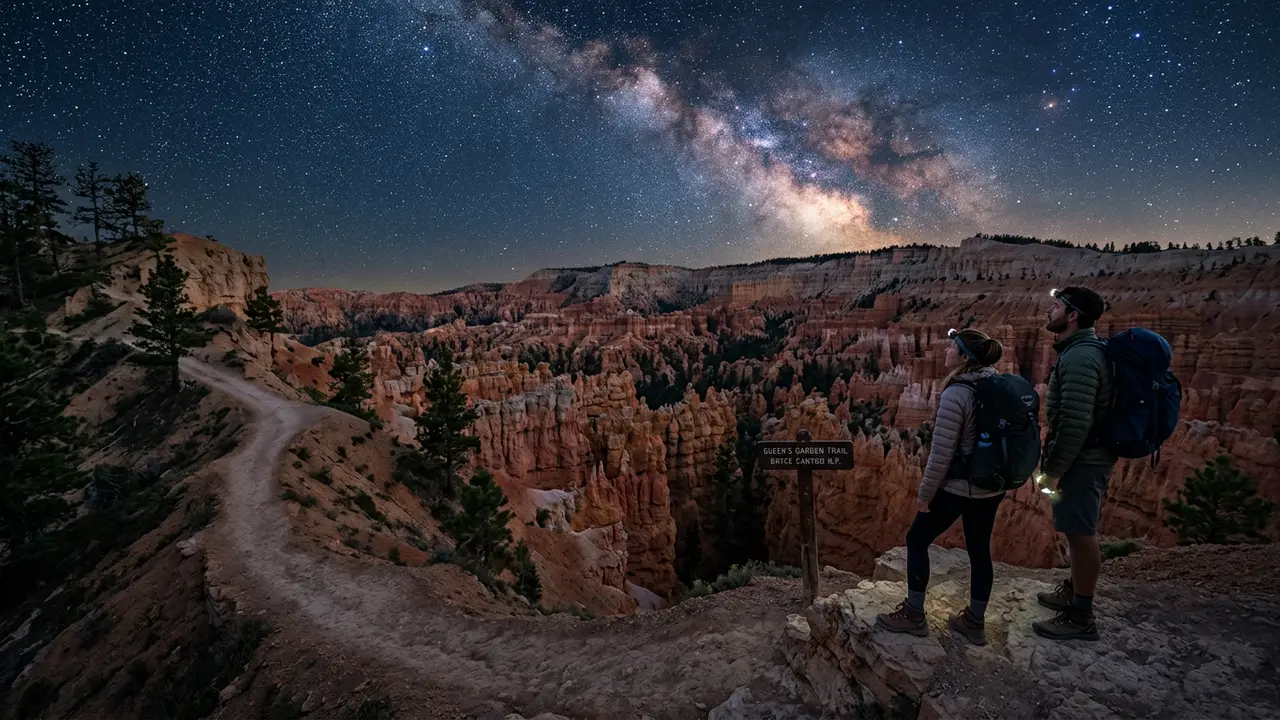
How Many Days for Bryce Canyon Stargazing? 2 vs 3 Nights
Maya Okonkwo Updated 7 min read
Two nights cover Bryce Canyon's Gold-Tier sky and the Queen's Garden/Navajo Loop hike; three nights add a weather buffer, a second trail, and altitude time.
Read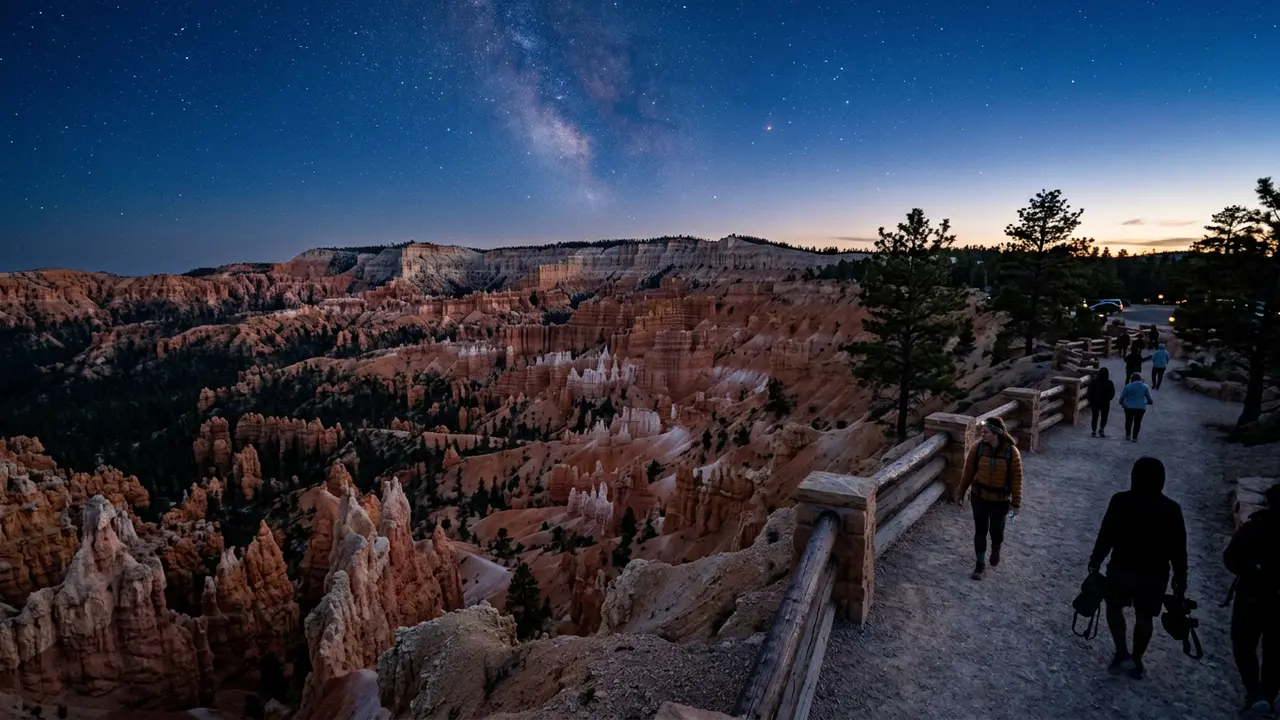
Is Bryce Canyon Worth It for Stargazing?
Maya Okonkwo Updated 8 min read
Bryce Canyon costs $35 to enter, gets crowded at rim overlooks by day, and climbs past 8,000 feet. Here's an honest look at whether it's worth the trip.
Read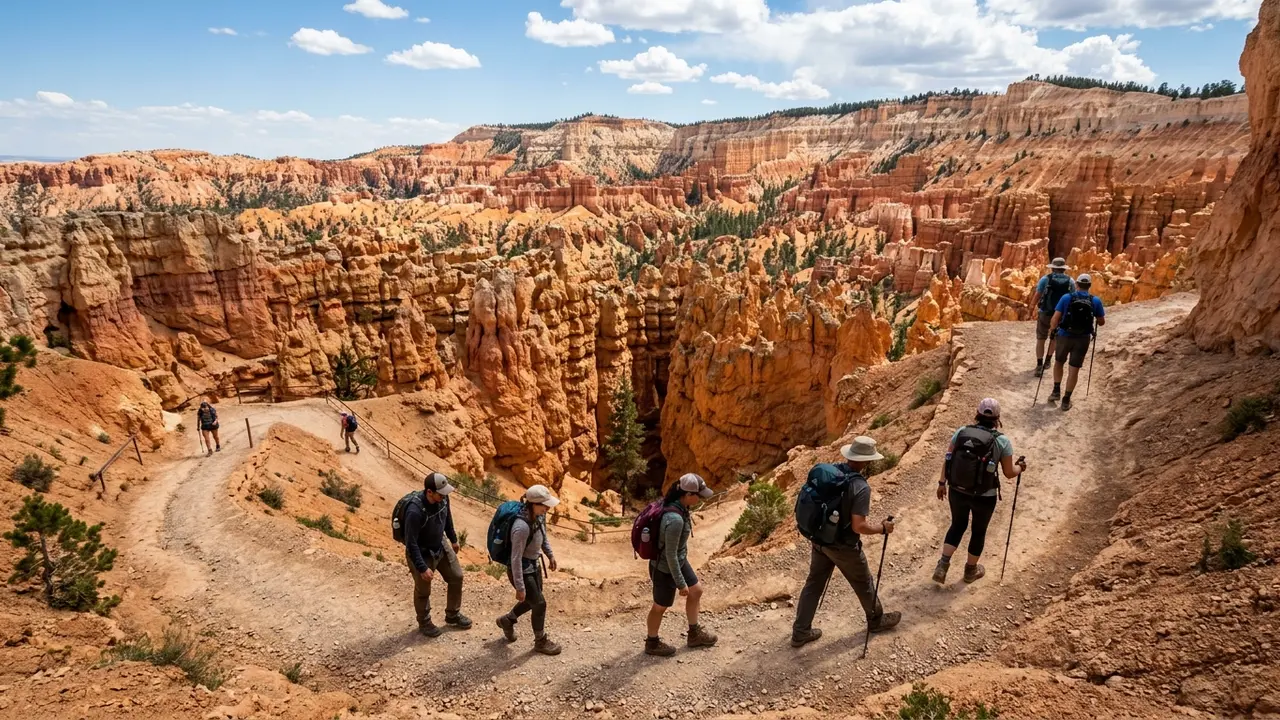
Things to Do in Bryce Canyon Beyond Stargazing
Maya Okonkwo Updated 7 min read
Bryce Canyon rewards daylight too: hike Queen's Garden and Navajo Loop, ride into the amphitheater with Canyon Trail Rides, or snowshoe the rim in winter.
Read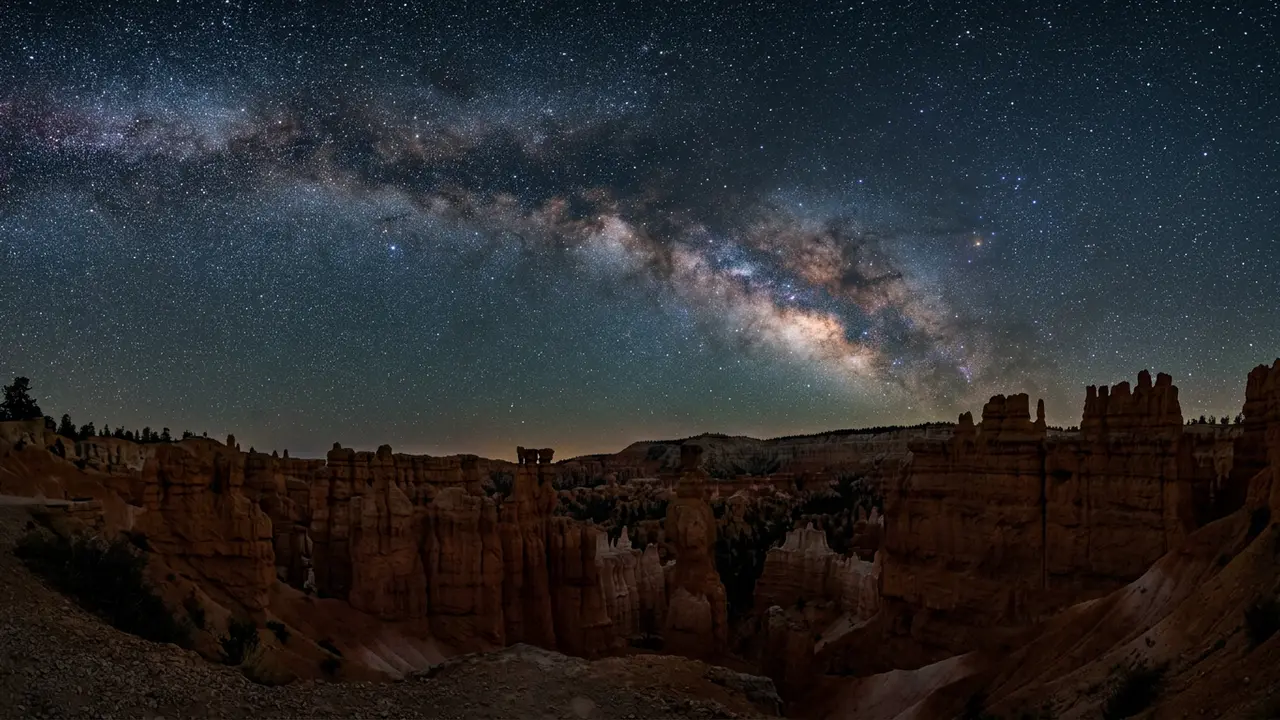
Best Stargazing Spots in Bryce Canyon: 4 Viewpoints to Know
Maya Okonkwo Updated 6 min read
Bryce Canyon's Gold Tier sky favors four viewpoints differently: easy access at Sunrise Point, drama at Bryce Point, and the darkest views from Rainbow Point.
Read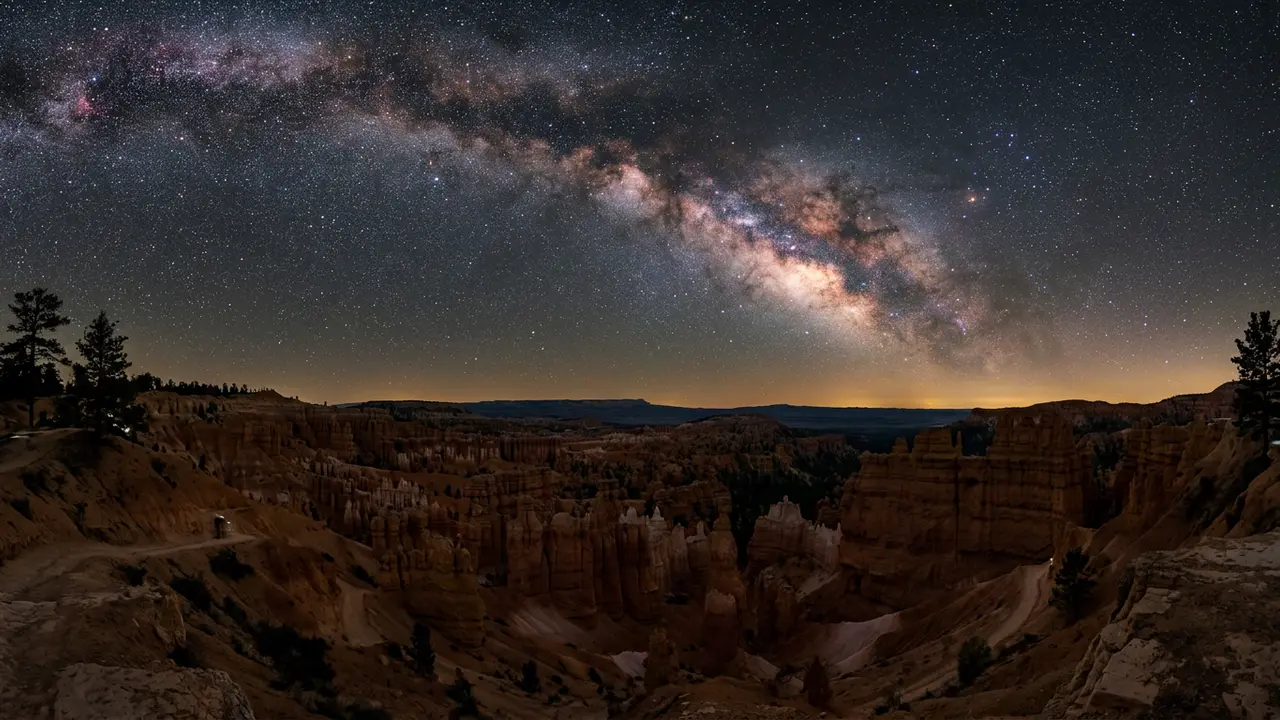
Best Time to Stargaze at Bryce Canyon: Season by Season
Maya Okonkwo Updated 7 min read
Bryce Canyon's Gold Tier skies favor the Milky Way in June, September, and October, while winter brings the clearest air but real trail and road closures.
Read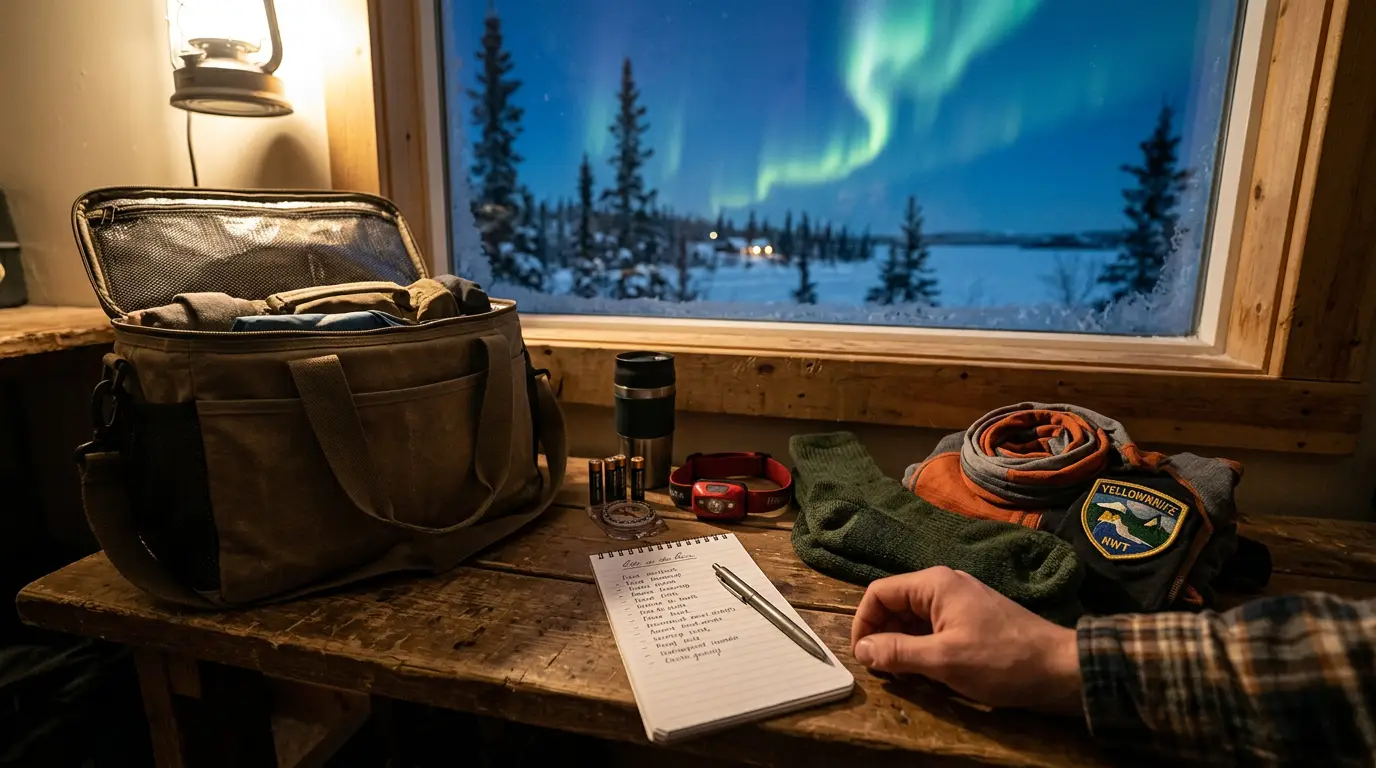
Yellowknife Winter Packing List for Aurora Season
Maya Okonkwo Updated 10 min read
Most Arctic packing guides assume you're skiing. Standing still at -40°C needs different gear. What to bring, what to rent in Yellowknife, and camera survival.
Read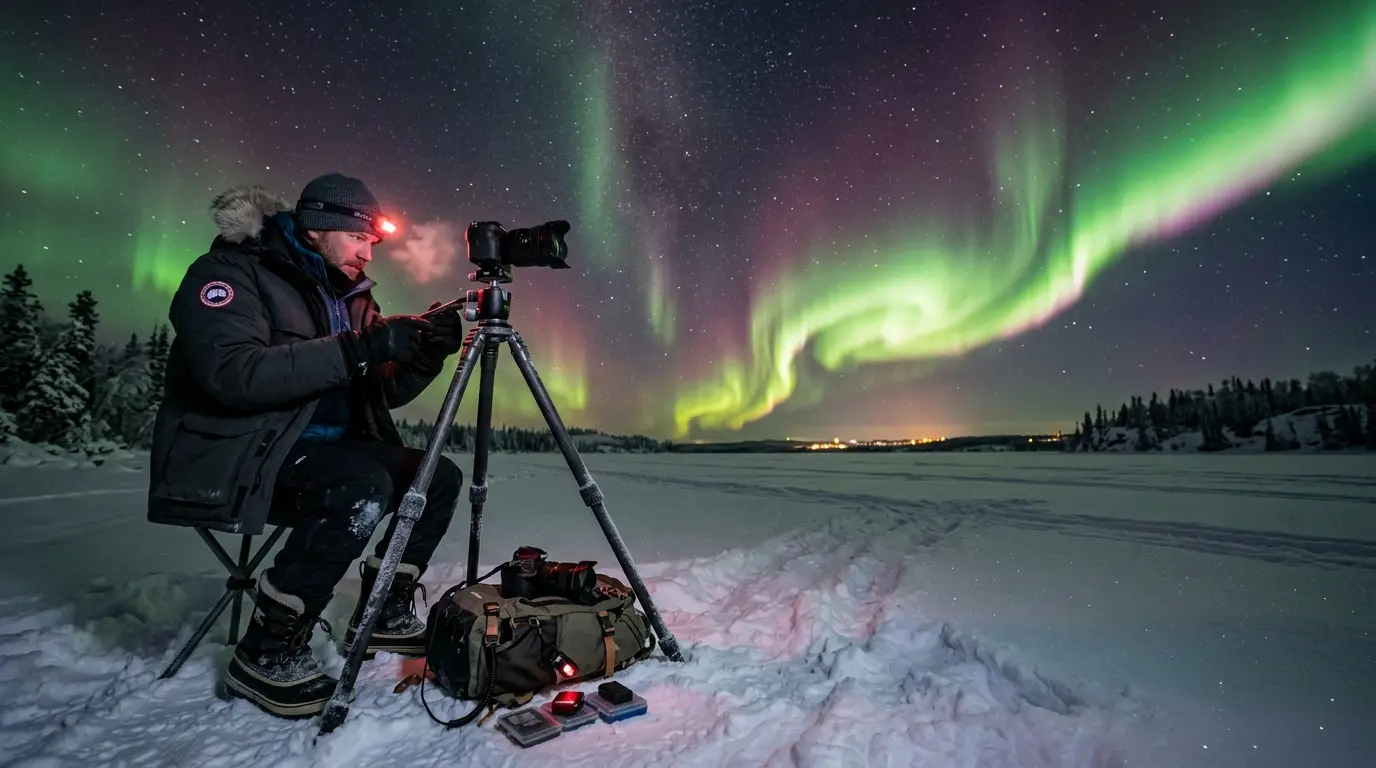
Yellowknife Aurora Photography Gear That Survives -30°C
Maya Okonkwo Updated 10 min read
At -30°C, your mirrorless battery dies in 30 minutes and tripod leg locks freeze. Here is the Yellowknife aurora photography gear that actually works and why.
Read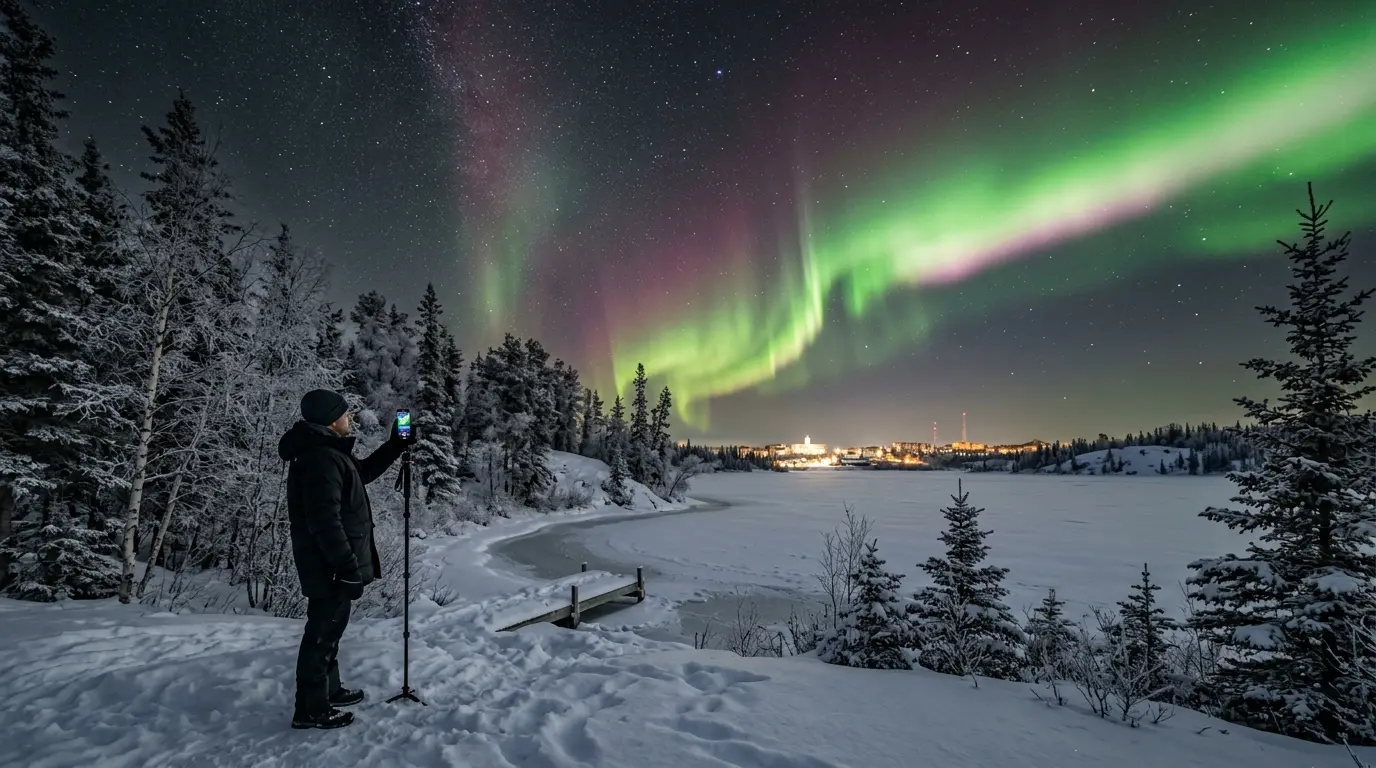
How to Photograph Northern Lights with Your Phone in Yellowknife
Maya Okonkwo Updated 10 min read
A modern smartphone can capture Yellowknife's aurora. Here are the night mode settings, the cheap tripod trick, and the battery habits that work at -30°C.
Read
Yellowknife Auroral Oval Explained — Why It Matters
Maya Okonkwo Updated 9 min read
Earth's magnetic pole tilts the auroral oval south over Yellowknife. A magnetic latitude of 68°N plus a dry subarctic climate explain the NWT advantage.
Read