Articles
Dark sky travel stories and planning essays (Page 31)
Long-form pieces I write on aurora science, astrophotography how-tos, destination deep-dives, and practical planning essays for dark-sky trips.
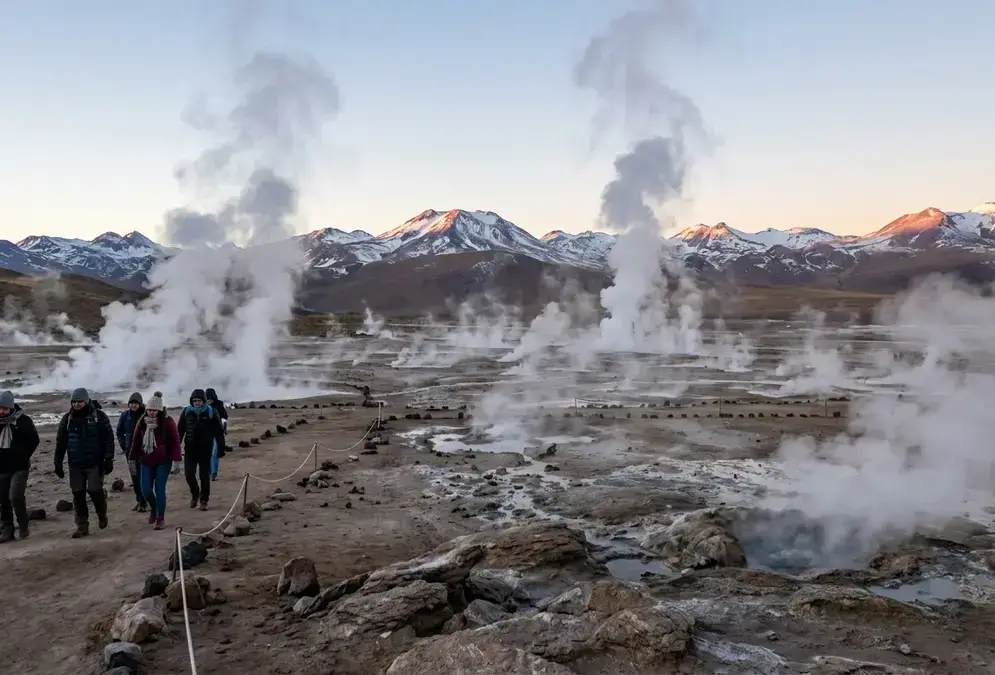
Atacama Altitude Sickness: Stay Safe and Acclimatize
Maya Okonkwo Updated 8 min read
San Pedro de Atacama sits at 2,443 m and El Tatio reaches 4,300 m. Plan your tour sequence to avoid altitude sickness and enjoy every night under the stars.
Read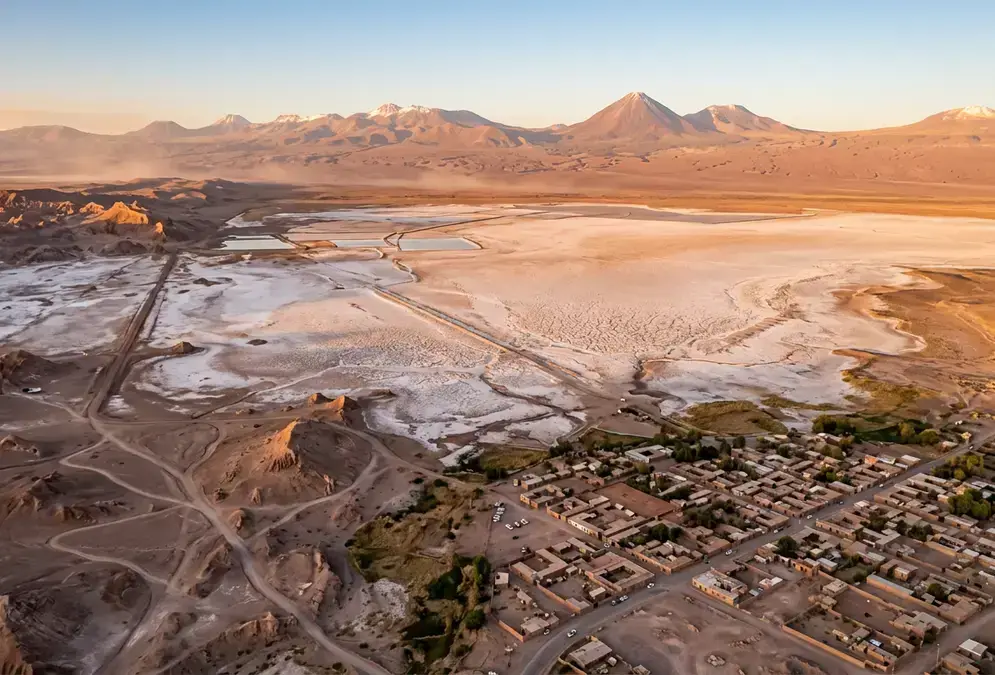
Atacama 3 to 5 Day Itinerary for Stargazers
Maya Okonkwo Updated 8 min read
Atacama Desert itinerary for 3, 4 or 5 nights: sequences tours low-to-high by altitude and slots your SPACE Observatory session inside the new-moon window.
Read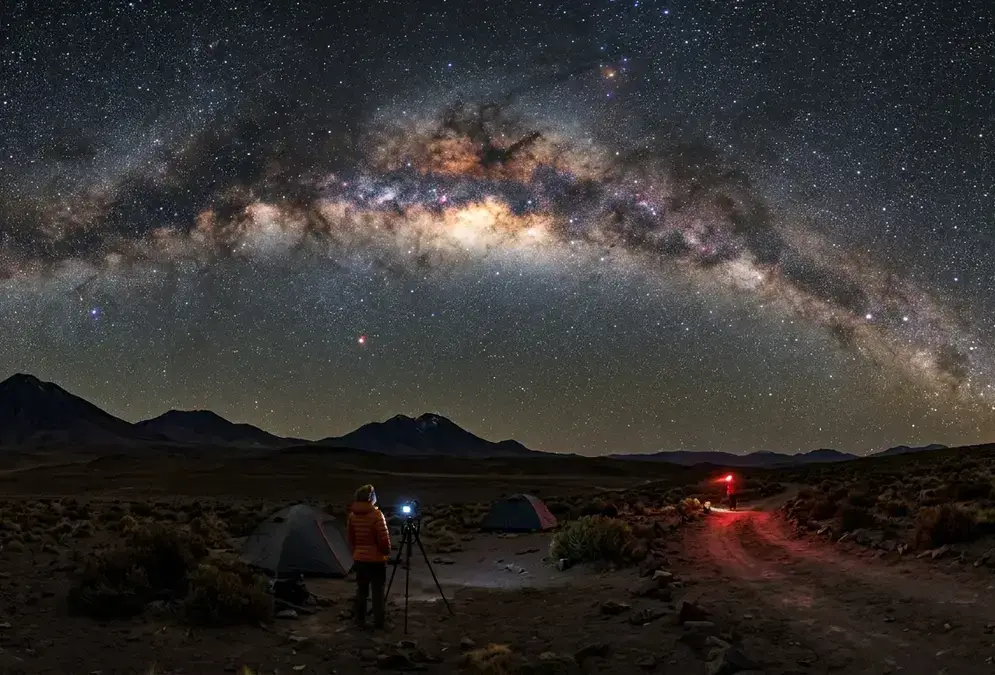
Atacama New-Moon Calendar: Plan Around the Dark Sky
Maya Okonkwo Updated 9 min read
How to read a lunar calendar for Atacama stargazing: the 29.5-day moon cycle, the full-moon tour blackout, and which months put the galactic core overhead.
Read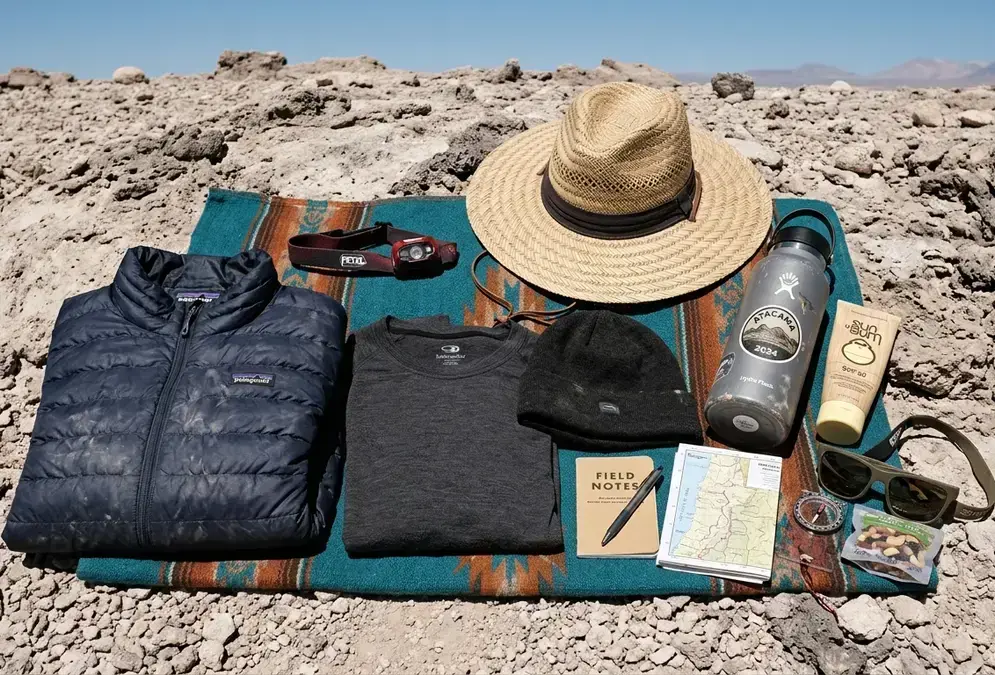
Atacama Packing List: What to Wear for the Desert
Maya Okonkwo Updated 9 min read
San Pedro de Atacama swings from 30°C midday heat to sub-zero nights. This packing list covers layering, sun protection, and altitude health for stargazers.
Read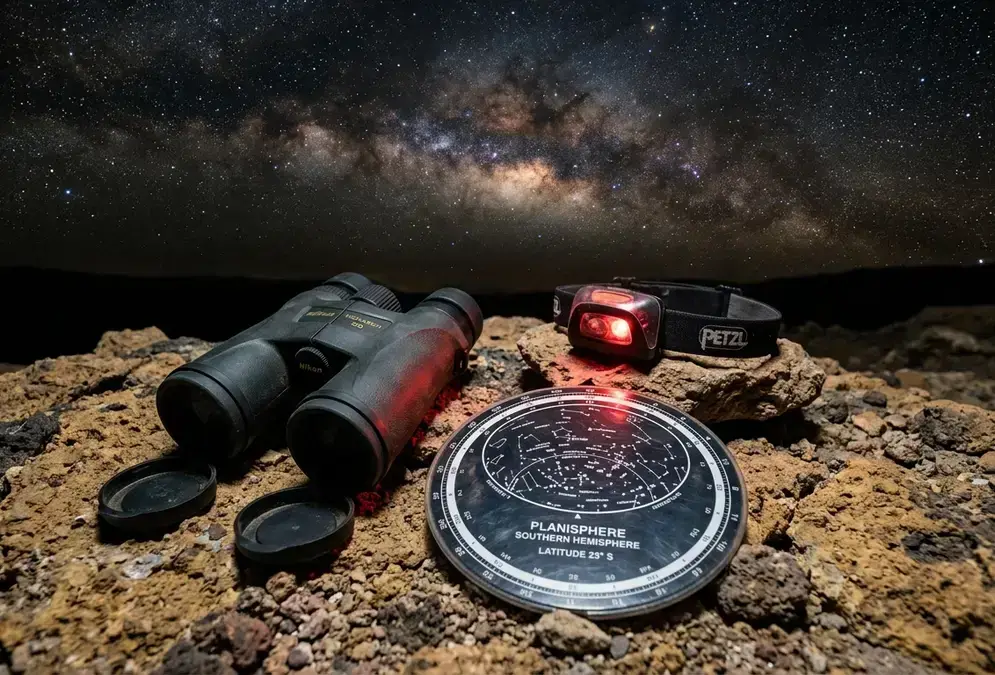
Stargazing Gear for the Atacama: What to Pack
Maya Okonkwo Updated 9 min read
Binoculars, red headlamp, star tracker, apps — the gear that actually matters for a stargazing trip to San Pedro de Atacama, and what to leave behind.
Read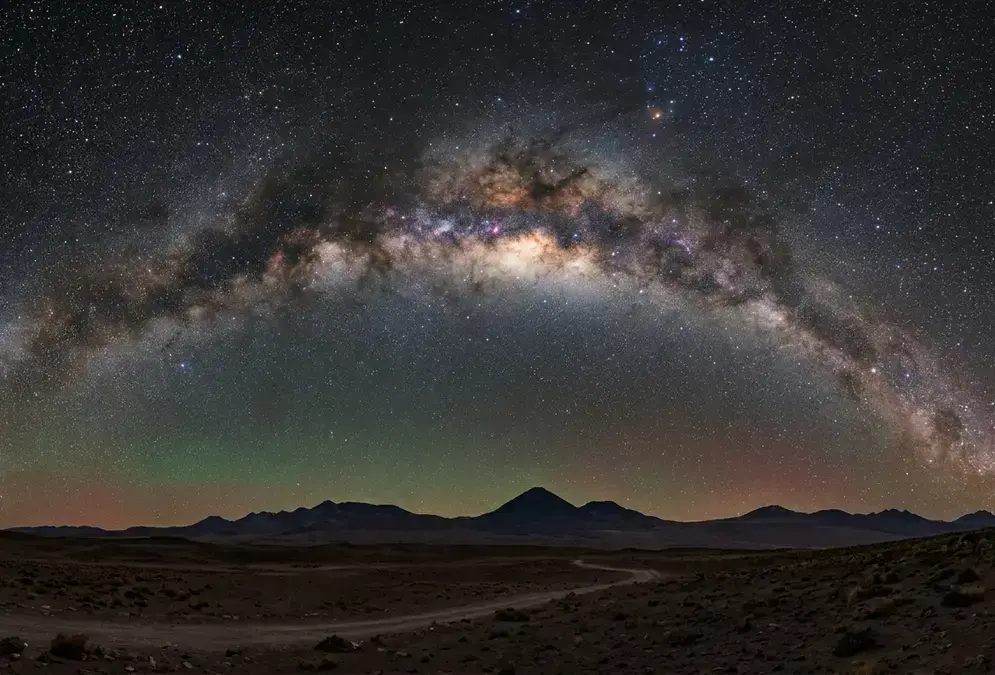
How Many Days in Atacama for Stargazing?
Maya Okonkwo Updated 7 min read
3, 4, or 5+ nights in the Atacama? This guide maps what fits each stay, how to align with new moon, and why skipping the acclimatization day is a mistake.
Read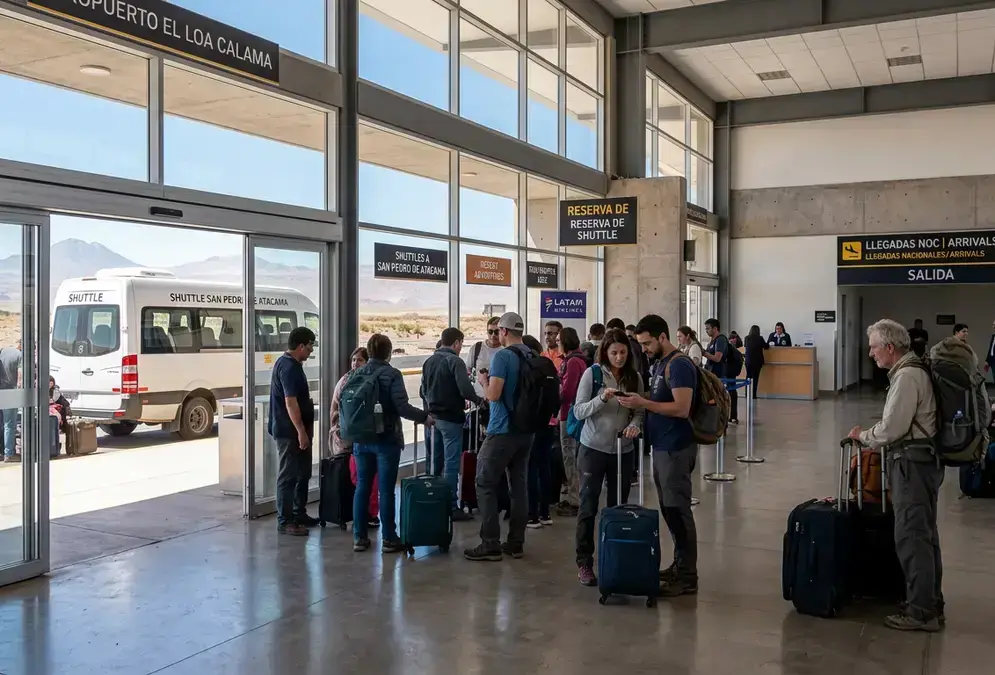
Calama to San Pedro de Atacama: Transfer Options
Maya Okonkwo Updated 6 min read
Shared shuttle, private transfer, rental car, or bus from Calama airport (CJC) to San Pedro de Atacama — 100.5 km, ~1h10 on Route 23. What to book and when.
Read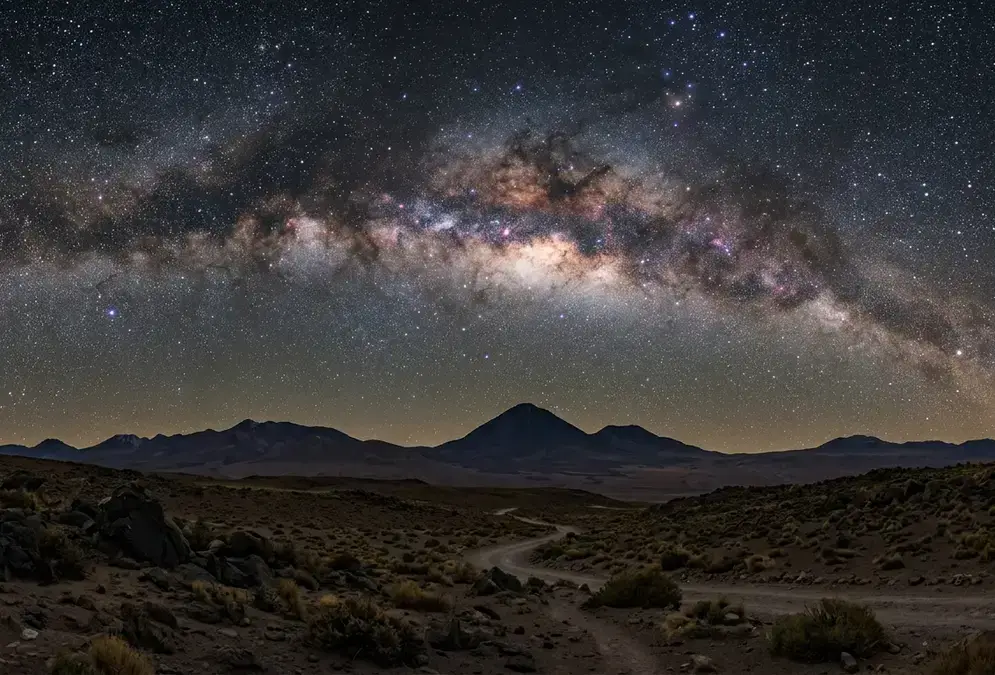
Is the Atacama Desert Worth It for Stargazing?
Maya Okonkwo Updated 7 min read
An honest look at whether the Atacama Desert is worth the cost, altitude, and logistics for stargazing travelers. The skies are real. Here's the full picture.
Read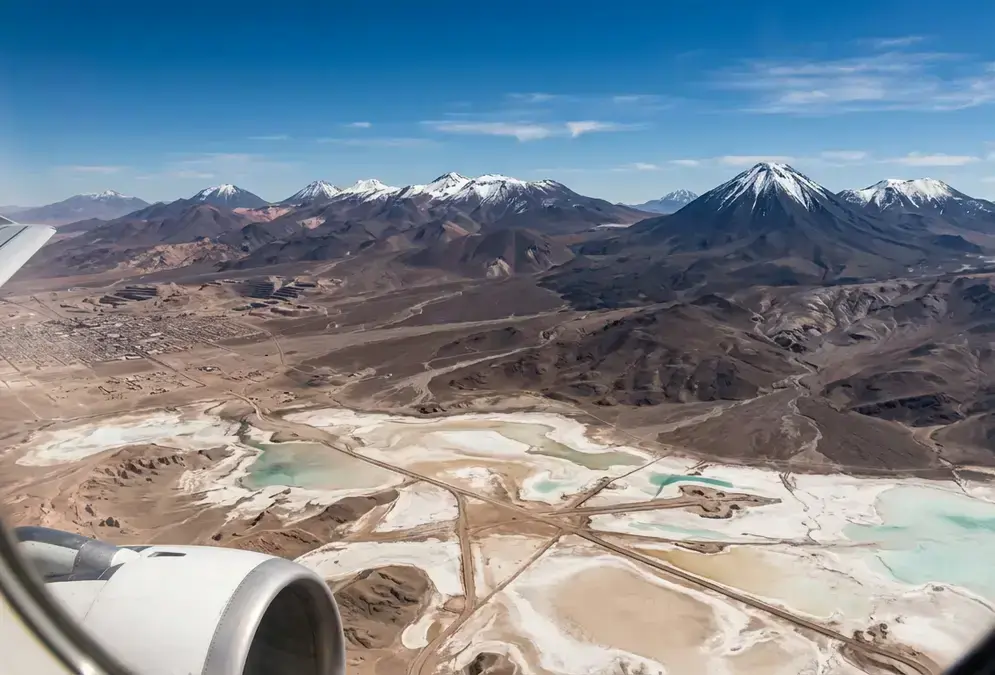
Santiago to San Pedro de Atacama: Getting There
Maya Okonkwo Updated 6 min read
The fastest route from Santiago to San Pedro de Atacama is a 2-hour flight to Calama, then a 1h10 transfer by shared shuttle. Here's exactly what to expect.
Read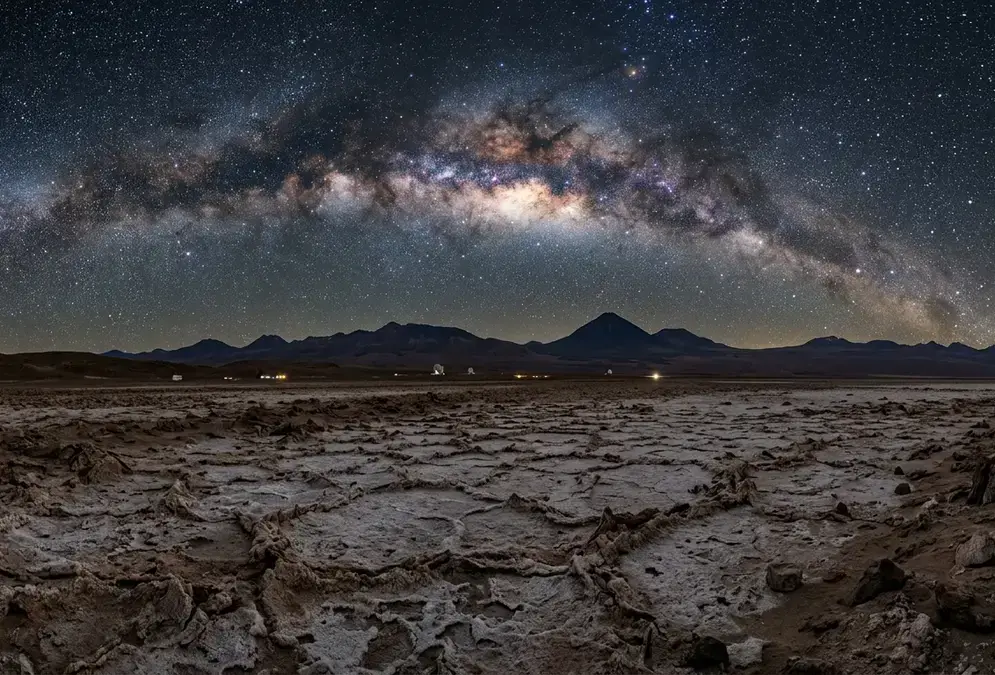
Why Is the Atacama Desert the Driest on Earth?
Maya Okonkwo Updated 9 min read
Three forces starve the Atacama of rain: the Andes rain shadow, the Humboldt Current, and subtropical high pressure — clearing its skies 330 nights a year.
Read