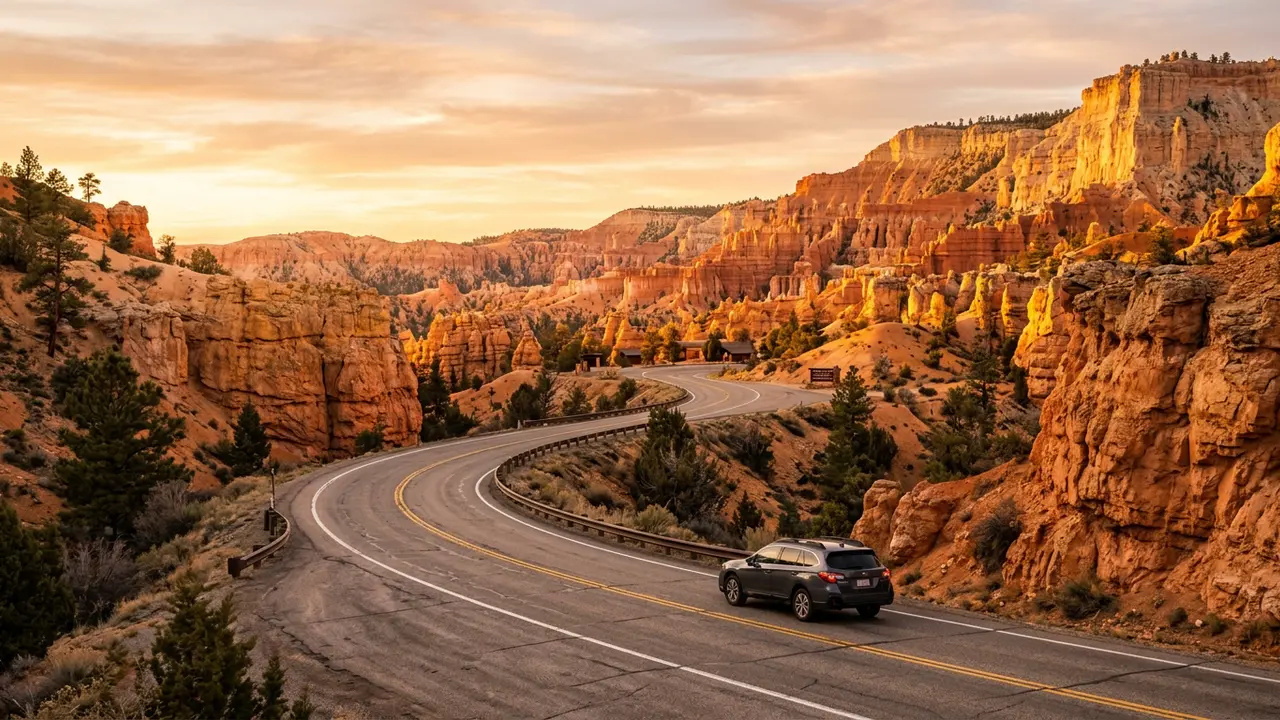

The Short Answer: Bryce Canyon Is a Drive-In Park
Start with what Bryce Canyon doesn't have. There's no commuter rail, no interstate bus line, and no shuttle connecting a nearby city to the park gate. The National Park Service says it plainly: public transportation to the park is not available[1]. Every visitor gets here one of two ways: drive the whole distance, or fly into a regional airport and rent a car for the rest of the trip.
Bryce Canyon's two closest major commercial airports, Las Vegas (LAS) and Salt Lake City (SLC), each sit roughly 270 miles from the entrance, in opposite directions[2]. That's a genuine day's commitment behind the wheel either way, not a quick side trip. What makes the distance manageable is the road itself, a paved highway network the whole way, with no unpaved detours and no permit required to drive it.
Compare that to NamibRand Nature Reserve in Namibia, where reaching a lodge can mean a charter flight or hours of gravel road with no scheduled alternative, and Bryce starts to look almost easy by comparison. It isn't a short trip from anywhere on this itinerary. It just isn't a complicated one, and that's worth knowing before you start pricing flights.
270 miles
Flying In: Airports and the Rental Car You'll Need
Las Vegas and Salt Lake City carry the most flight options, but they're not the closest airports if a shorter drive matters more than flight choice. Two smaller regional fields sit much nearer the park: Cedar City (CDC), about 80 miles away, and St. George (SGU), about 125 miles away[3]. Either one trims a full day's drive down to a half-day, at the cost of fewer direct flights and higher regional fares.
Whichever airport you land at, budget for a rental car before you book the flight. There's no airport shuttle to Bryce Canyon from any of the four, and no rideshare coverage once you're past the edges of Cedar City or St. George. The car isn't a convenience here. It's the only way the rest of the trip happens.
| Airport | Distance from park | Trade-off |
|---|---|---|
| Las Vegas (LAS) / Salt Lake City (SLC) | ~270 miles | Most flight options, longest drive |
| Cedar City (CDC) | ~80 miles | Shortest drive, fewer direct flights |
| St. George (SGU) | ~125 miles | Short drive, regional fares |
Timing the flight matters almost as much as picking the airport. which months give the clearest skies here walks through which months keep the drive itself easiest, since the same winter storms that clear out crowds can also complicate mountain roads along the way.
Driving In From the North: Las Vegas and Salt Lake City
Both northern routes fold into the same final stretch, since Las Vegas and Salt Lake City anchor opposite ends of the same corridor down I-15. The National Park Service lays out the route step by step[4]:
- Take I-15 south to UT-20 (Exit 95)
- Travel east on UT-20 to US-89
- Follow US-89 south to UT-12
- Travel east on UT-12 to UT-63, then south into the park
That last stretch, UT-12 east to UT-63, is the payoff. The two-lane road climbs through red rock and ponderosa pine before dropping onto the spur that runs straight into the park, the kind of approach that makes the final twenty minutes of a long drive feel like part of the trip instead of the tail end of an errand.
Neither city offers a shortcut around the distance. What varies is the traffic: I-15 through Las Vegas and the stretch south of Salt Lake City both see real congestion at commuter hours, so timing a departure around rush hour saves more time than any alternate route would.
Driving In From the South: St. George and the Zion Route
Flying into St. George shortens the whole trip, and the route in trades interstate miles for one of the more scenic drives in southern Utah. From St. George, the National Park Service's directions run like this[5]:
- Take I-15 north to UT-9 (Exit 16)
- Follow UT-9 east through Zion National Park to US-89
- Travel north on US-89 to UT-12, then east to UT-63
Recommended tours
Tours are selected for quality, not commission. I earn a small fee if you book — at no extra cost to you.
That middle leg is the reason to pick this approach even from Las Vegas, if the schedule allows an extra hour or two. UT-9 runs directly through Zion National Park, past the switchbacks of the Zion-Mount Carmel Highway and its own tunnel, before rejoining US-89 toward Bryce. Two dark-sky parks in a single day's drive, connected by one of the more dramatic roads in the state.
Featured · Destination
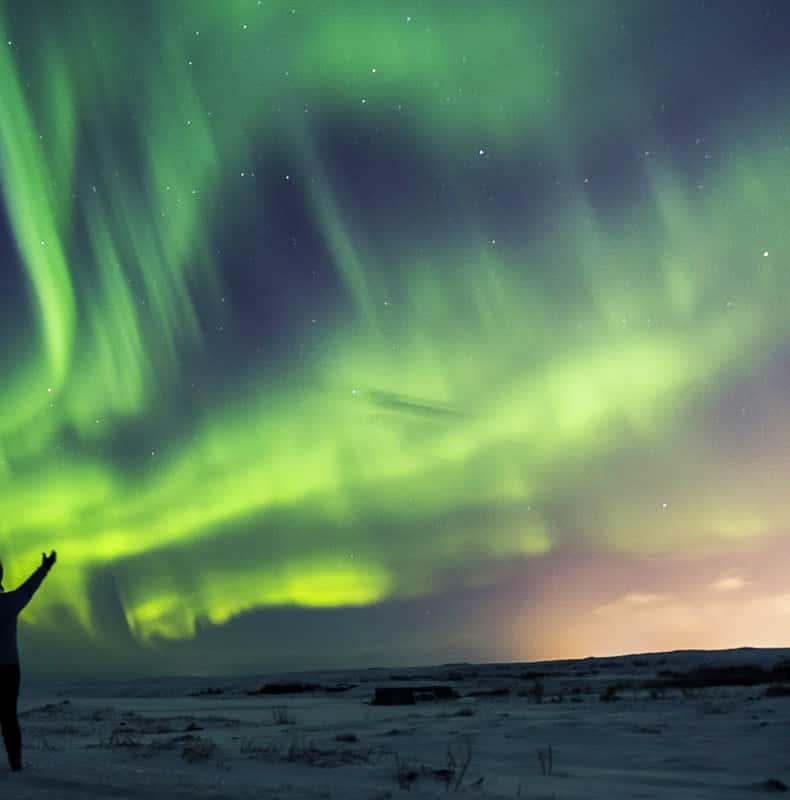
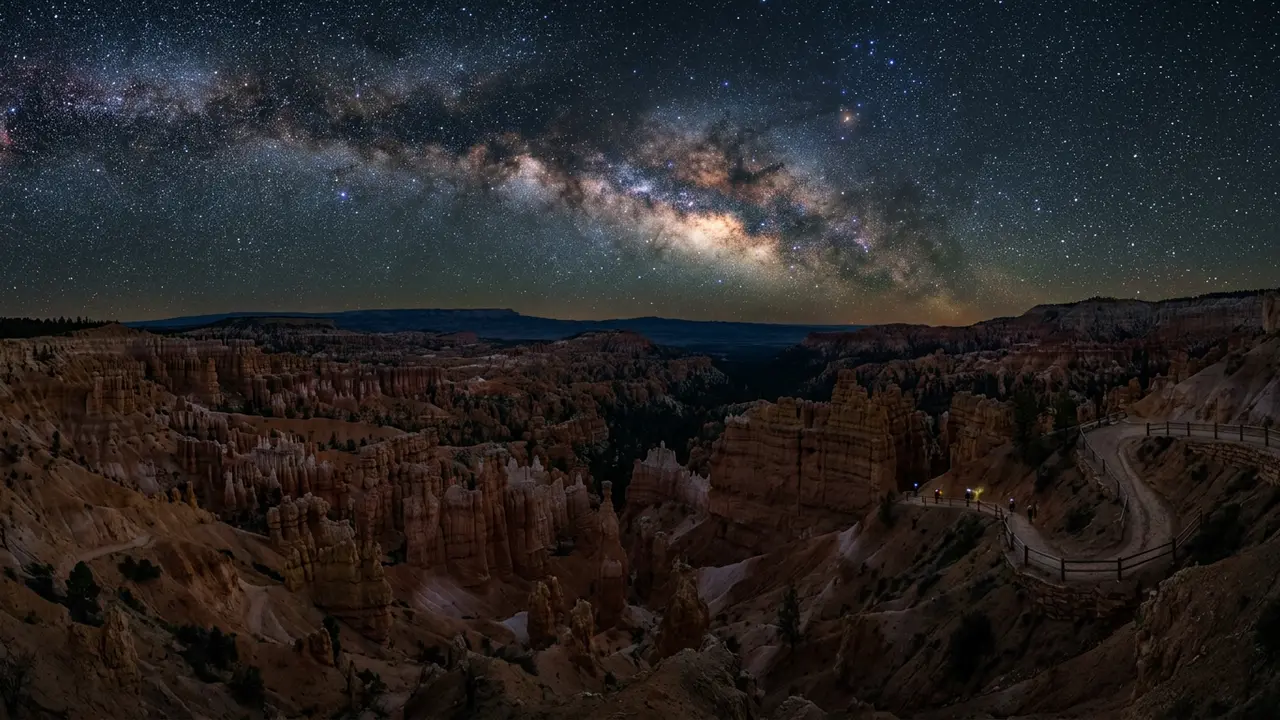
Stargazing in Bryce Canyon National Park
Bryce Canyon earned Gold-Tier Dark Sky Park status in 2019 after 50 years of astronomy programs. Drive in from Vegas or Salt Lake City to see it for yourself.
Once you're through Bryce's entrance station, the visitor center sits about one mile inside the park boundary[6], regardless of which route brought you there, the same first stop whether you came down from Las Vegas or up through Zion. From there it's a short drive or a shuttle ride to the only in-park lodging option, the property that lets you walk to the rim after dark instead of driving back.
Once You're Inside: The Free Park Shuttle
The drive doesn't end at the entrance station. Bryce Canyon runs a free shuttle through the Bryce Amphitheater, the stretch of rim holding the park's densest concentration of overlooks and trailheads, and the Park Service recommends riding it instead of driving yourself between stops[7]. It isn't required. You can drive your own car to every viewpoint the shuttle serves, but parking at the busiest overlooks fills fast, and the shuttle removes that problem entirely.
The shuttle runs seasonally, from April through mid-October[8], with buses arriving at each stop roughly every 15 minutes[9] during operating hours. Ride it for free with standard park admission[10]; there's no separate ticket to buy or reserve.
Featured · Article
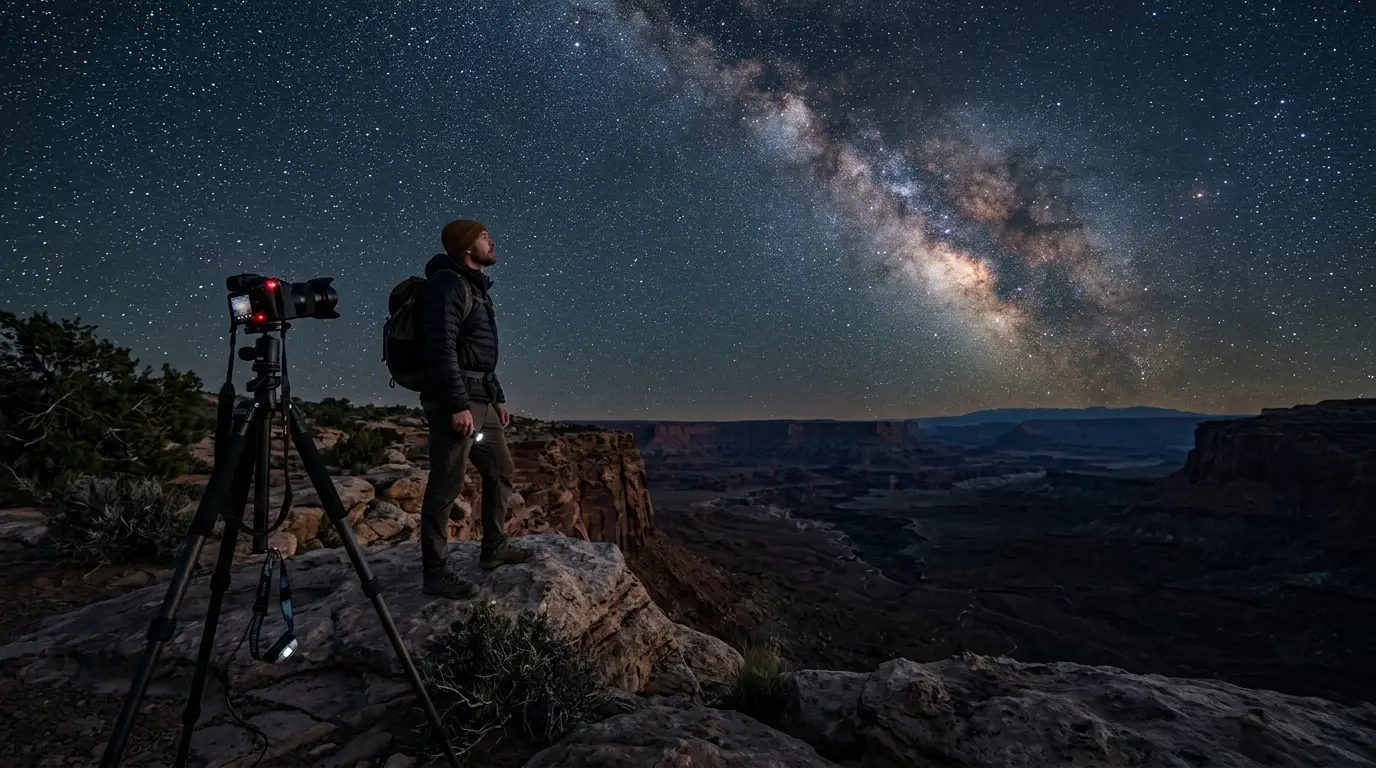
What Is Astrotourism? The Complete Beginner's Guide
Astrotourism means travel built around dark skies: meteor showers, auroras, the Milky Way. What it means, where to go, and how to plan your first trip.
None of this replaces a car for the drive in, but once you're parked, the shuttle covers the one stretch of park where driving yourself is more hassle than help. Book an evening out with this ranger-led telescope operator and the shuttle timetable becomes the only schedule that matters for the rest of the night.
Where to board
The best places to start are the Shuttle Station in Bryce Canyon City, just outside the entrance, or the Visitor Center, a mile inside it[11]. Both work as a first stop, and once you're riding, any stop along the route accepts a boarded passenger with proof of park admission.
Shuttle hours by season
Hours shift with the season. Peak-season hours run 8:00 a.m. to 8:00 p.m. from May 9 through September 20[12], with shorter hours in the April and late-September-to-mid-October shoulder weeks. Check the current schedule before a shoulder-season trip specifically, since those weeks are the ones most likely to shift year to year.
Elevation, Winter Roads, and Planning Around a Drive-In Park
Bryce Canyon's entrance road climbs to 7,894 feet, and the roads inside the park are maintained year-round[13]. That elevation is part of why the drive feels different once you're through the gate: thinner air, colder nights even at the height of summer, and, in winter, roads that need a plow more often than any of the approach highways.
This guide can't confirm detailed winter closure schedules for UT-12 or UT-63 beyond that general year-round maintenance, so treat any specific claim about a closed road as something to verify the same week you're driving, not something to plan around months in advance. Check the park's current conditions page before a December or January trip, especially if the plan depends on reaching Rainbow or Yovimpa Point.
None of that changes the core fact this guide keeps coming back to: Bryce Canyon is built to be driven to, not flown into. Compare it to Yellowknife, fly-in for practical purposes with no road most visitors would attempt, and Bryce's rental-car-and-highway approach looks like the easier trip it actually is. Book the flight into whichever airport fits the schedule, rent the car, and the hardest part of the visit is behind you before you've even reached stargazing in Bryce Canyon National Park.