Articles · Trip planning
Dark-Sky Trip Planning: Getting There, How Long to Stay, What Else to Do (Page 3)
Logistics for stargazing trips: flights and transfers, how many nights each place deserves, whether it is worth the journey, and what to do beyond the sky. It is for travelers deciding where to commit time and money, with straight answers on safety, altitude and access.
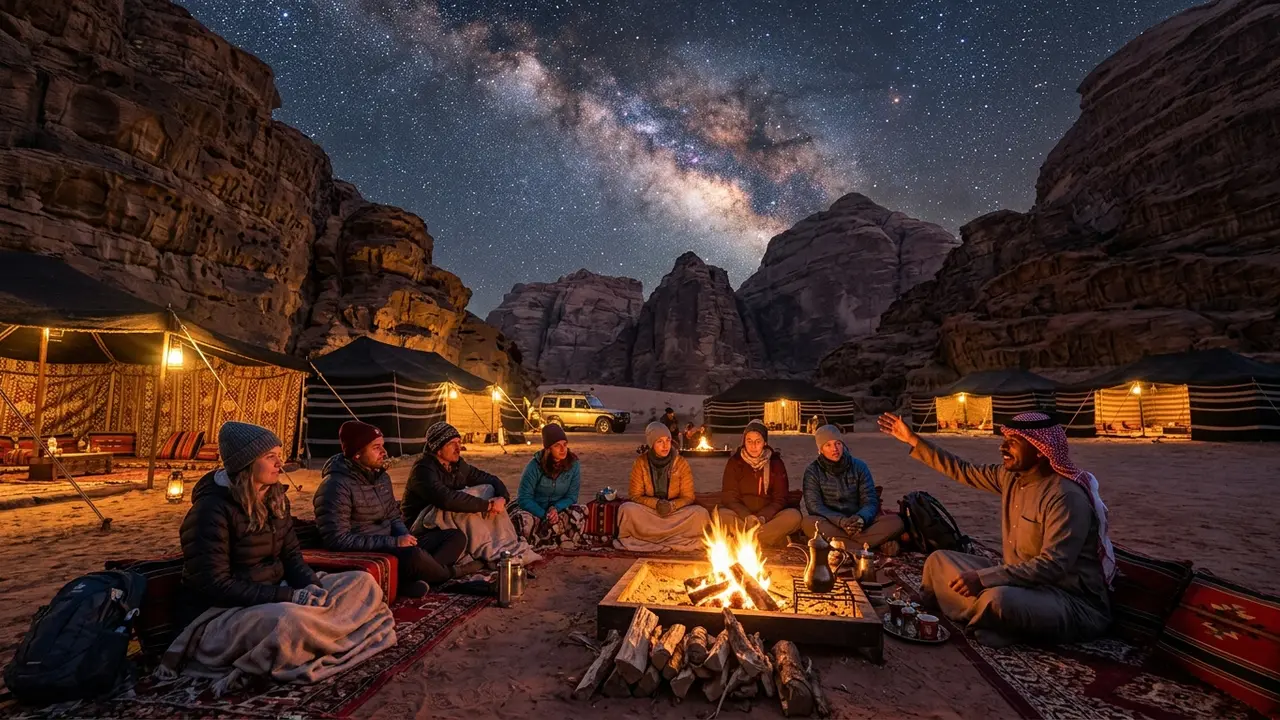
Wadi Rum Stargazing FAQ: Your Top Questions Answered
Maya Okonkwo Updated 7 min read
Wadi Rum stargazing FAQ: best month, guide rules, temperature swings, visa and safety basics, plus whether it's actually a certified dark-sky park in Jordan.
Read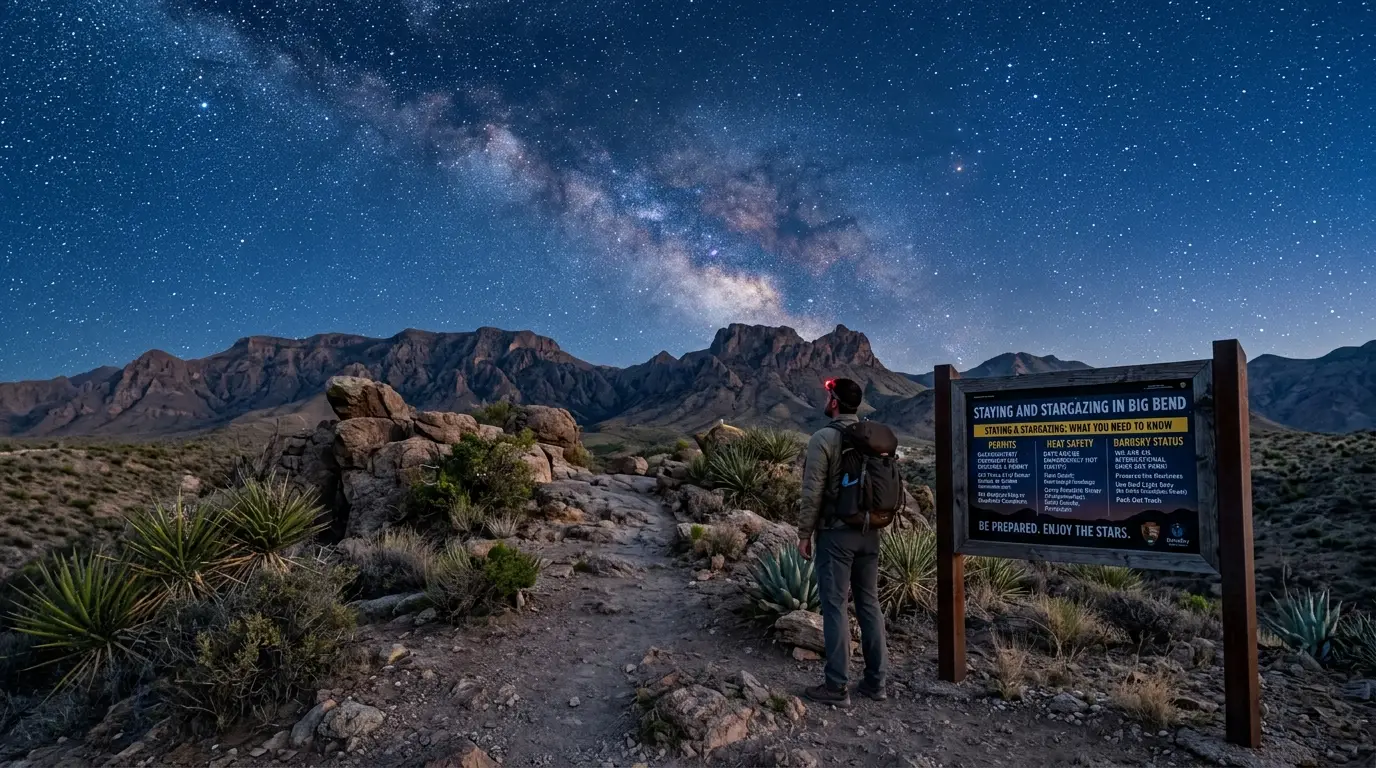
Big Bend Stargazing FAQ: Permits, Heat & Visitor Guide
Maya Okonkwo Updated 6 min read
Do you need a permit to stargaze at Big Bend? The honest answer on timing, desert heat, cell service, and whether a car alone gets you to its darkest skies.
Read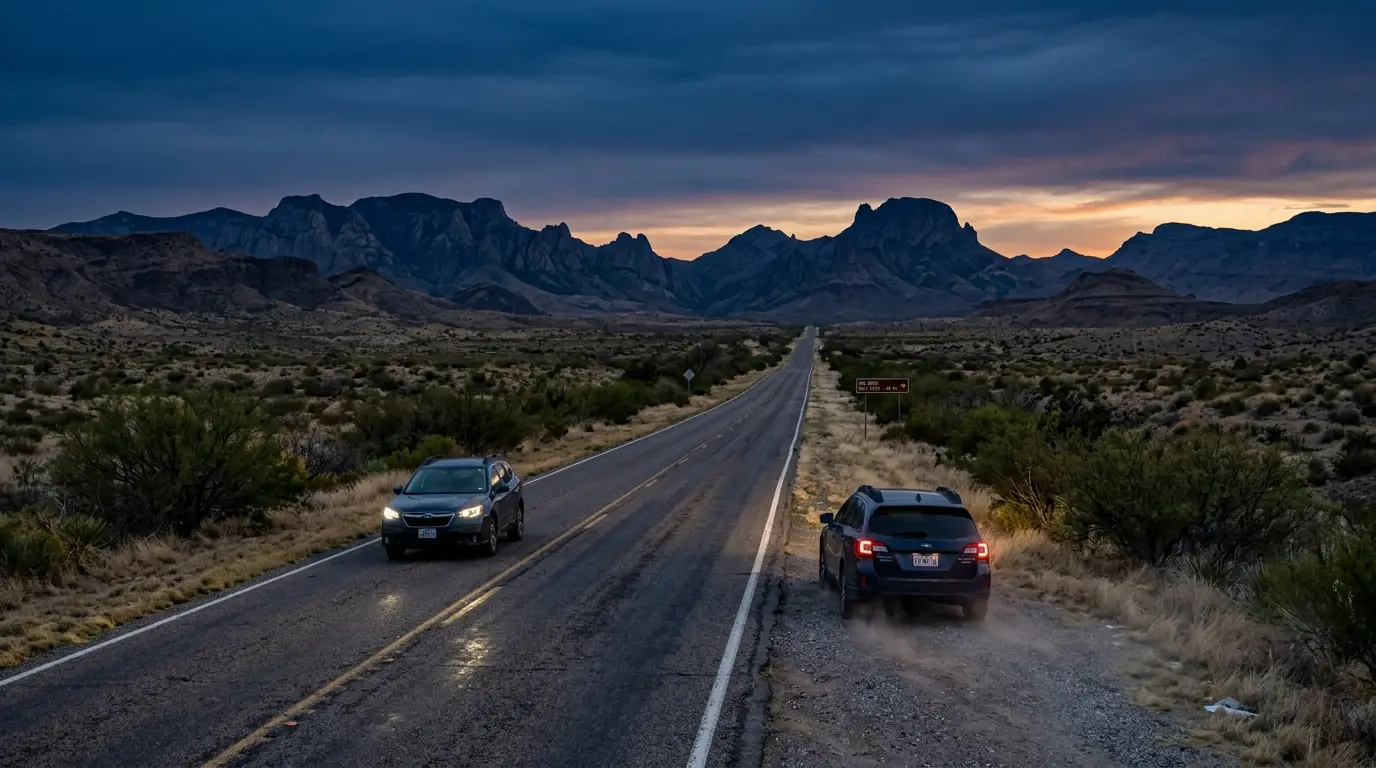
Getting to Big Bend: Airports, Drive Times, and No Signal
Maya Okonkwo Updated 7 min read
The nearest airport to Big Bend sits 235 miles away, and cell service barely reaches past Chisos Basin. Here's the honest logistics on airports and drive times.
Read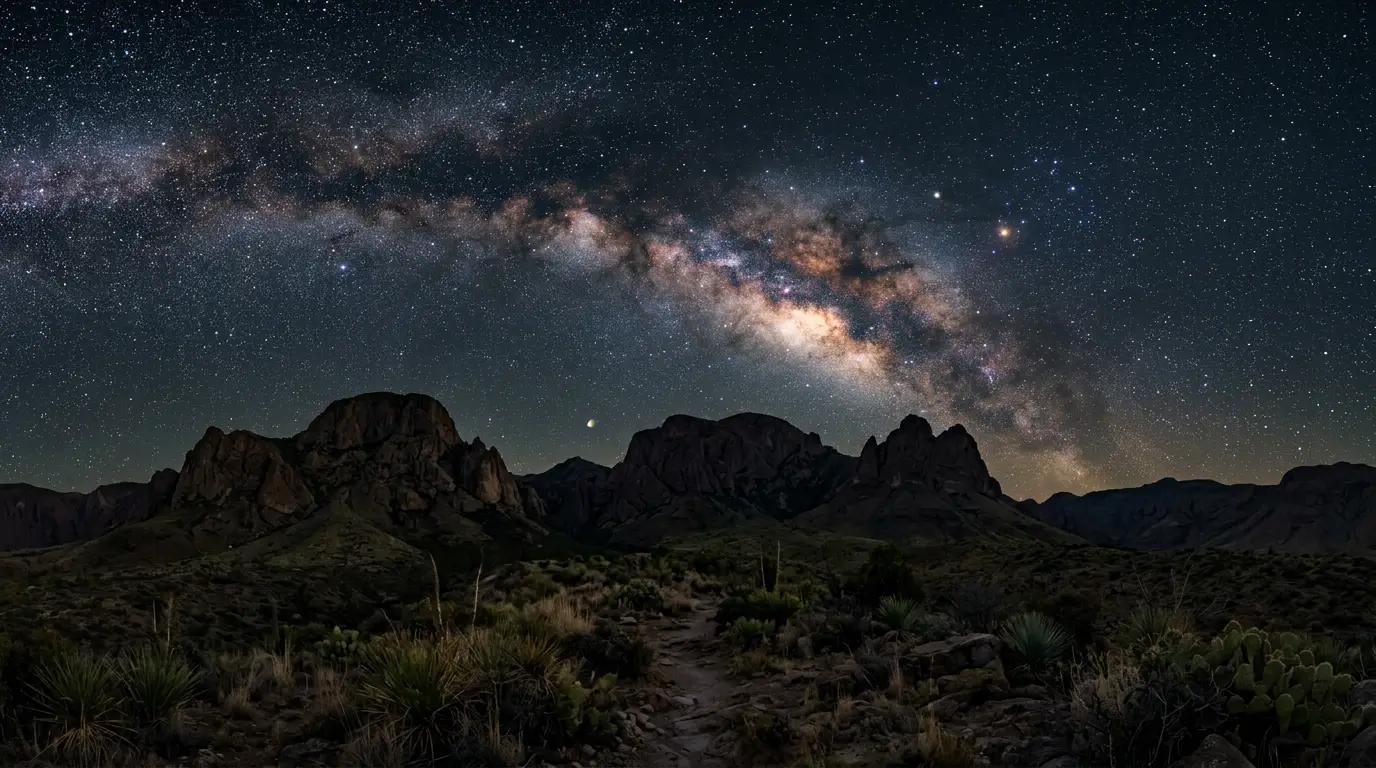
Is Big Bend Worth It for Stargazing? An Honest Look
Maya Okonkwo Updated 8 min read
Big Bend is the darkest national park sky in the Lower 48 — but is it worth the five-hour drive, dead cell service, and 100°F summer days? An honest verdict.
Read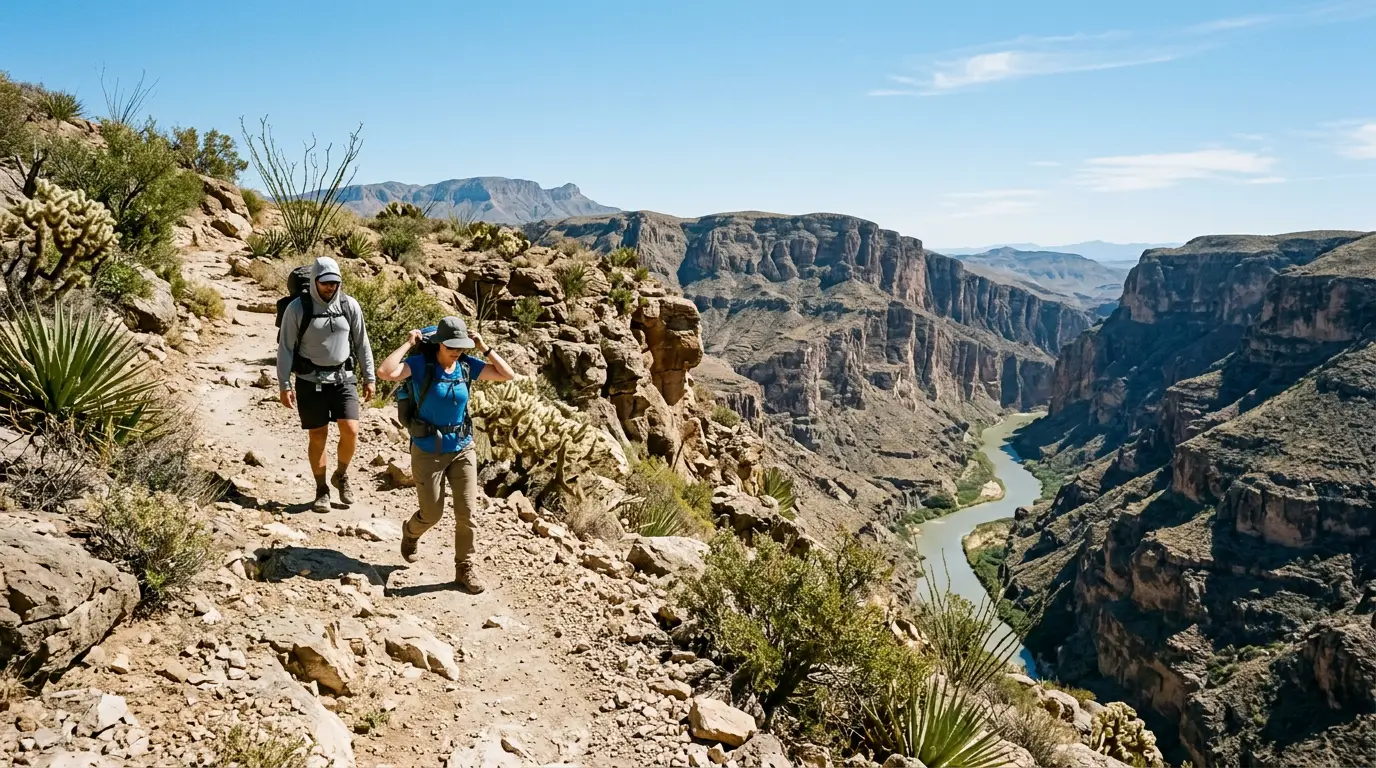
Things to Do in Big Bend Besides Stargazing
Maya Okonkwo Updated 7 min read
Big Bend hides 200 miles of hiking trails, a natural hot spring on the Rio Grande, canyon float trips, and a 30-mile scenic drive worth doing before dark.
Read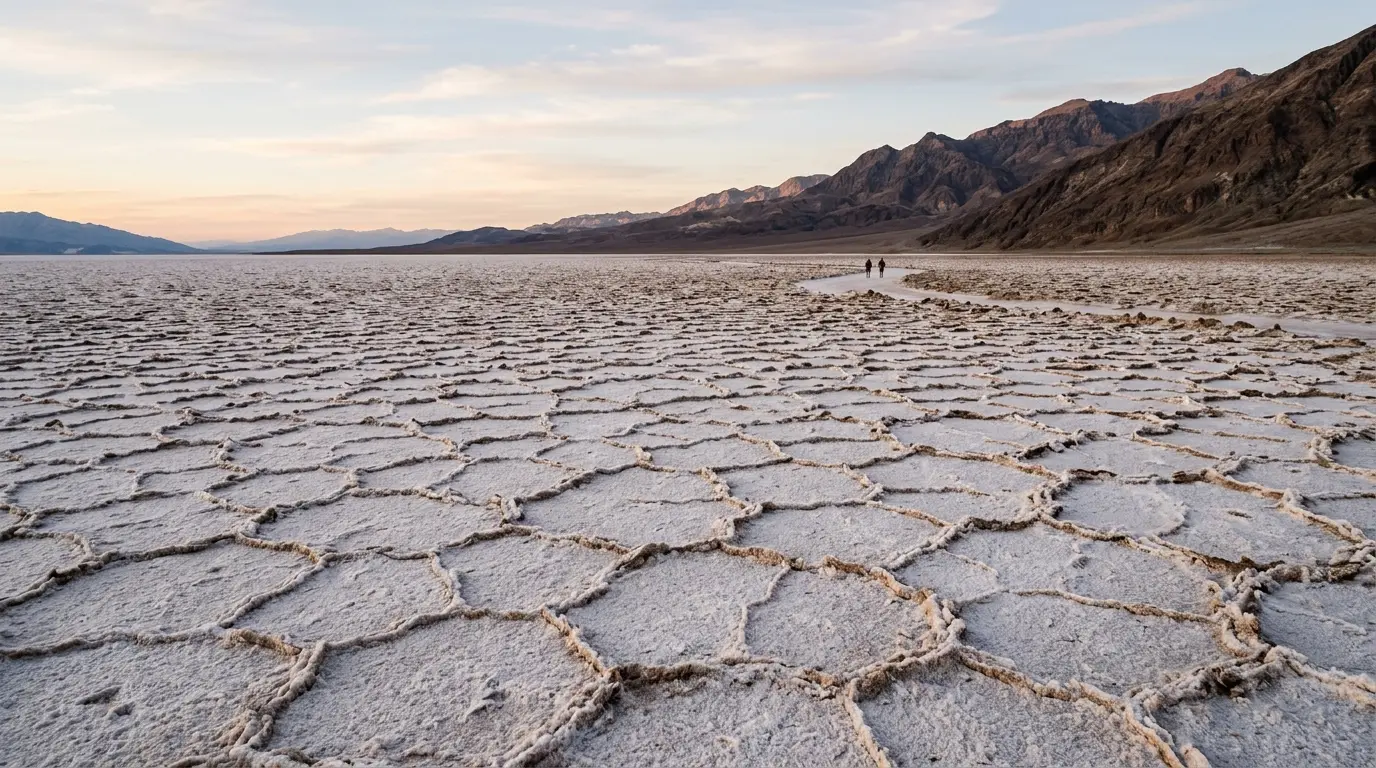
Things to Do in Death Valley Beyond Stargazing
Maya Okonkwo Updated 7 min read
Death Valley's daytime side beats the heat with Badwater Basin's salt flats, Artist's Palette's colors, and Dante's View's panorama above the valley floor.
Read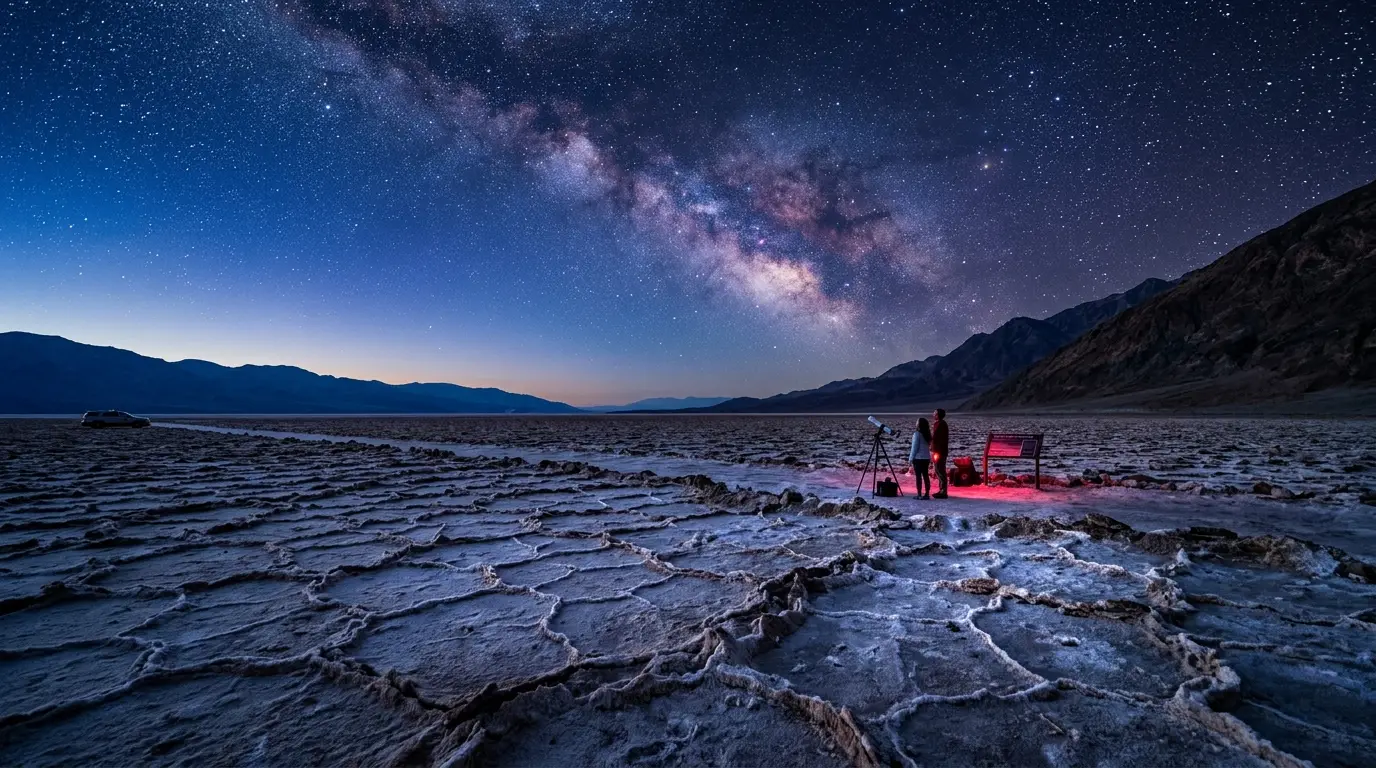
Death Valley Stargazing FAQ: Permits, Heat & Safety
Maya Okonkwo Updated 6 min read
Is Death Valley safe for stargazing, and do you need a permit? Here's what the $30 entrance fee covers, when to go, and how hot it really gets at night.
Read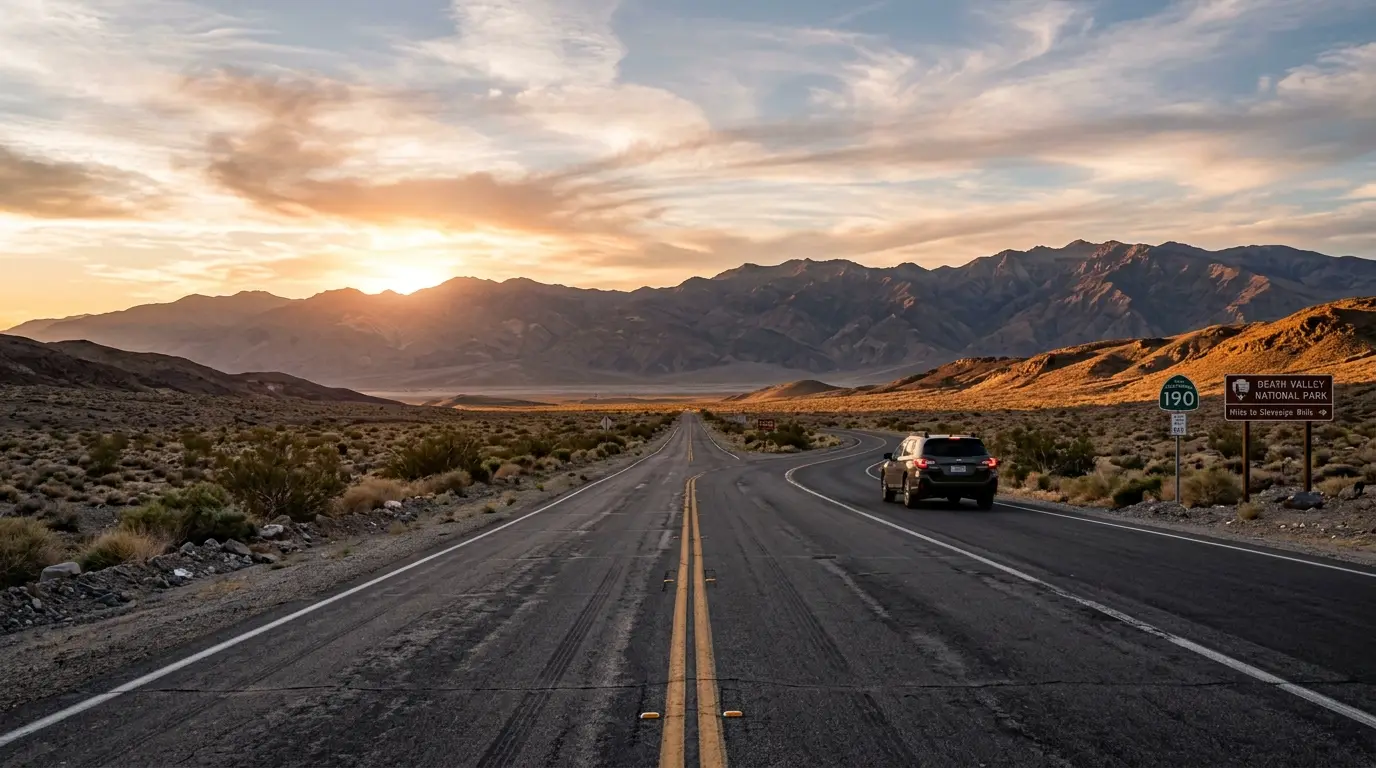
Getting to Death Valley: Routes From Las Vegas and LA
Maya Okonkwo Updated 7 min read
Death Valley is two hours from Las Vegas, five from LA, on paved roads any rental car handles. The fastest routes, entrance fees, and when you need 4x4.
Read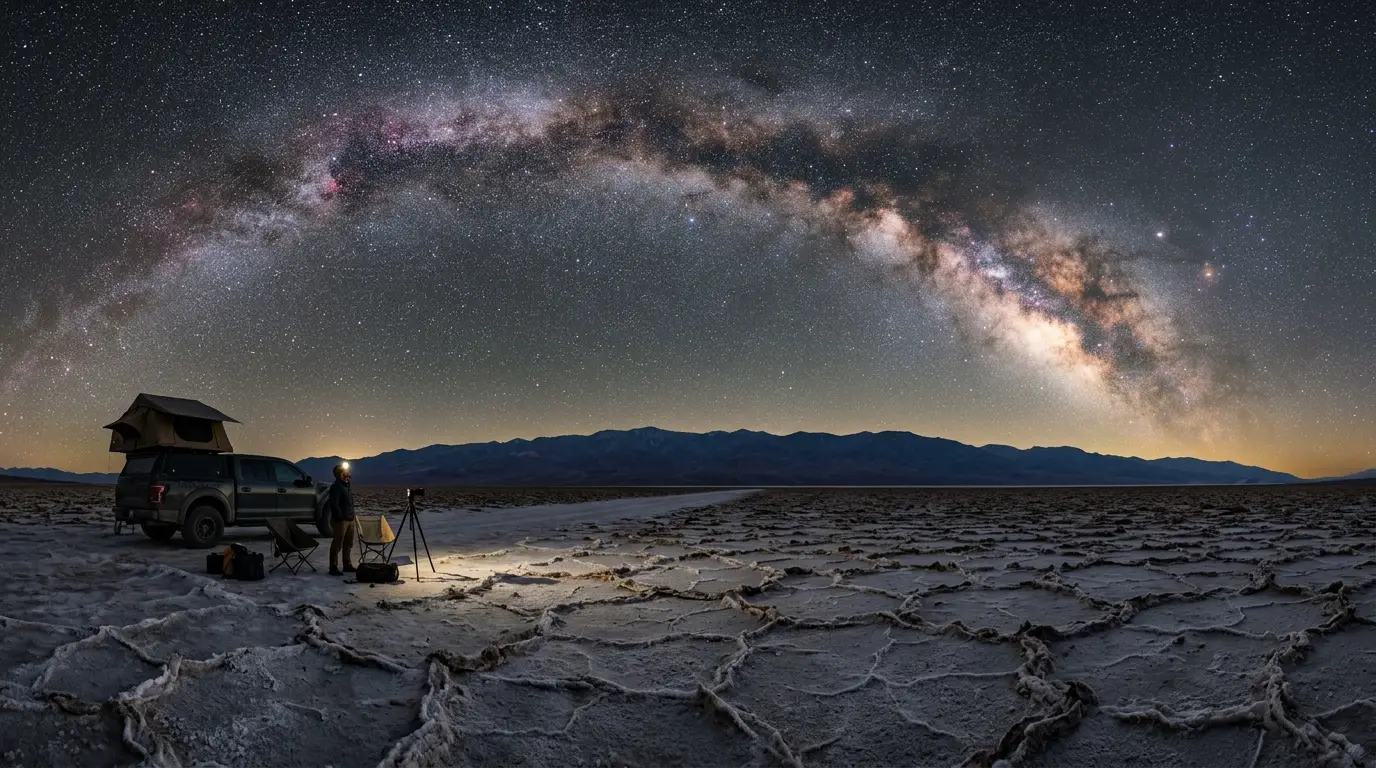
How Many Days for Death Valley Stargazing? 2 vs 3 Nights
Maya Okonkwo Updated 6 min read
Death Valley's 3.4M-acre Gold Tier sky rewards 2-3 nights: one risks a washout, two adds a weather backup, three covers Badwater, Mesquite Flat, Furnace Creek.
Read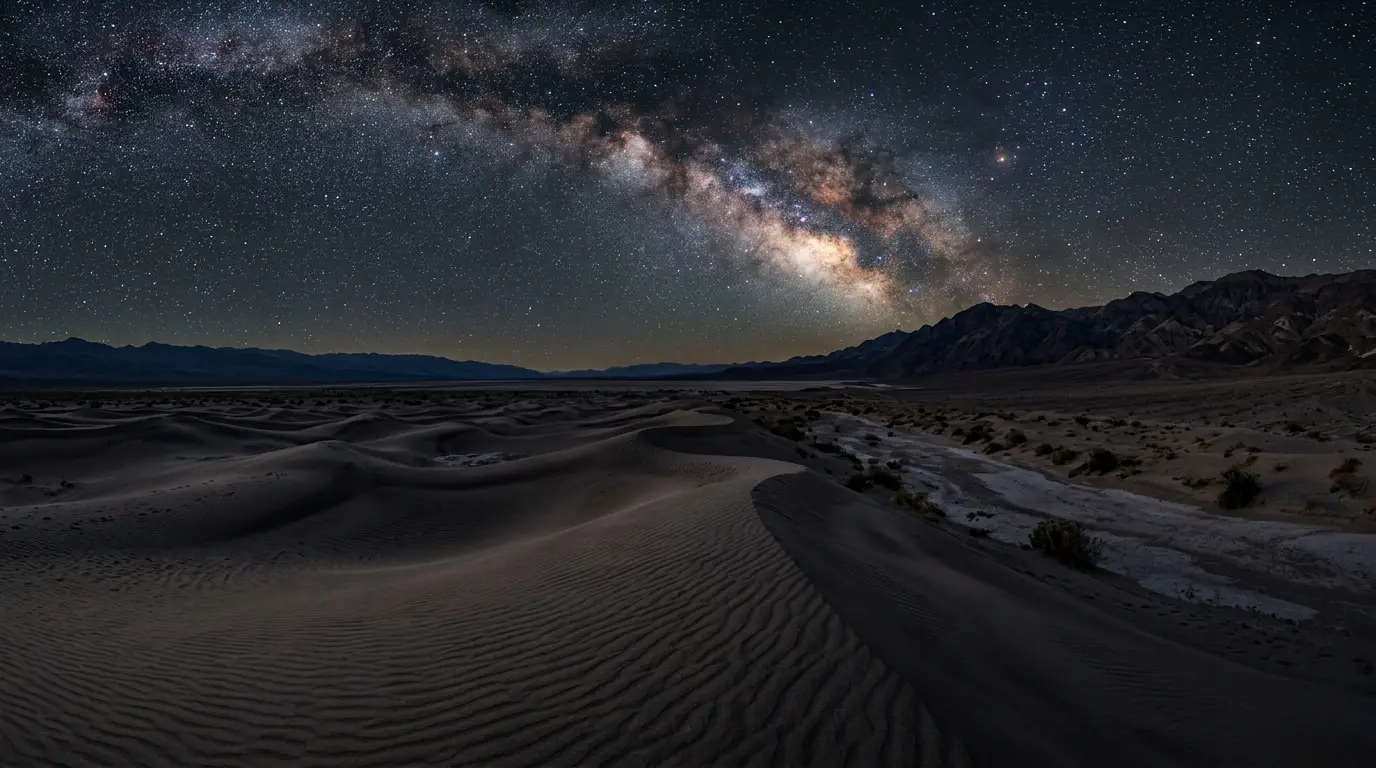
Is Death Valley Worth It for Stargazing?
Maya Okonkwo Updated 7 min read
Death Valley's skies are Gold Tier and Bortle 1-2, but summer highs can top 120°F and the nearest city is two hours away. Here's the honest trade-off.
Read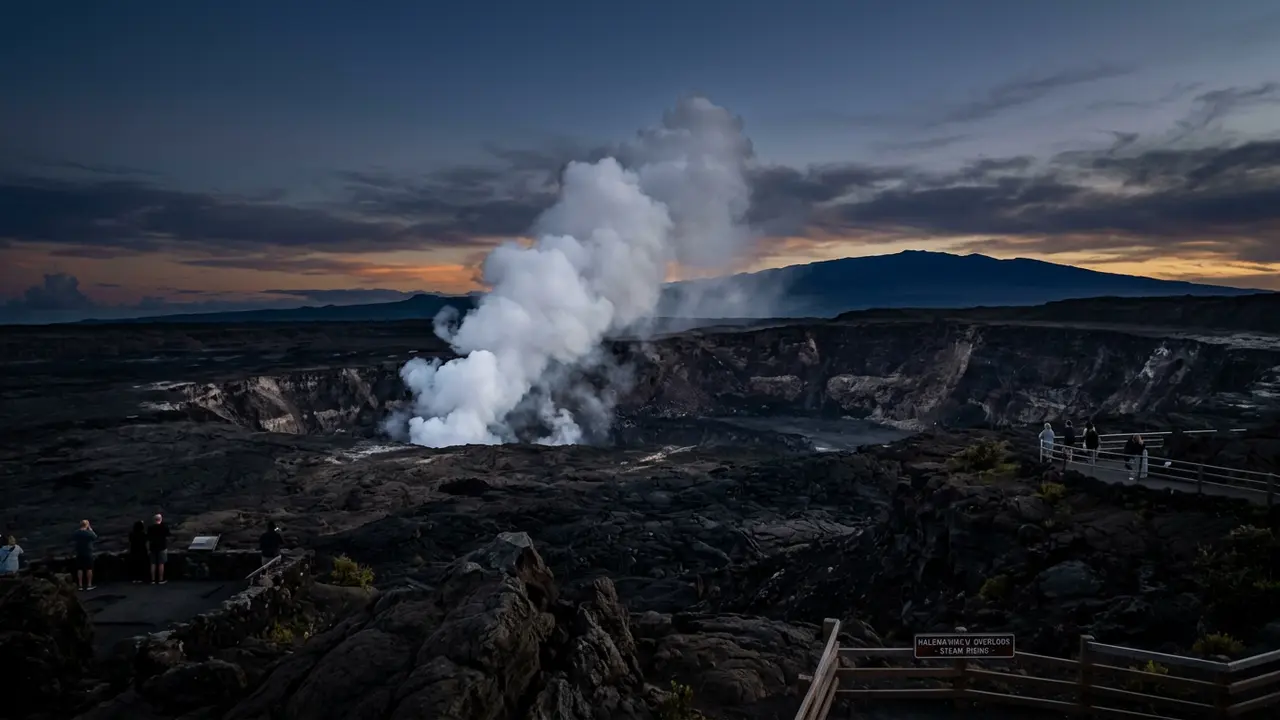
Big Island Things to Do Beyond Mauna Kea
Maya Okonkwo Updated 7 min read
Volcanoes National Park, Hilo waterfalls, Kona coffee farms, and a manta ray night snorkel pair well with a Mauna Kea stargazing night on Hawaiʻi's Big Island.
Read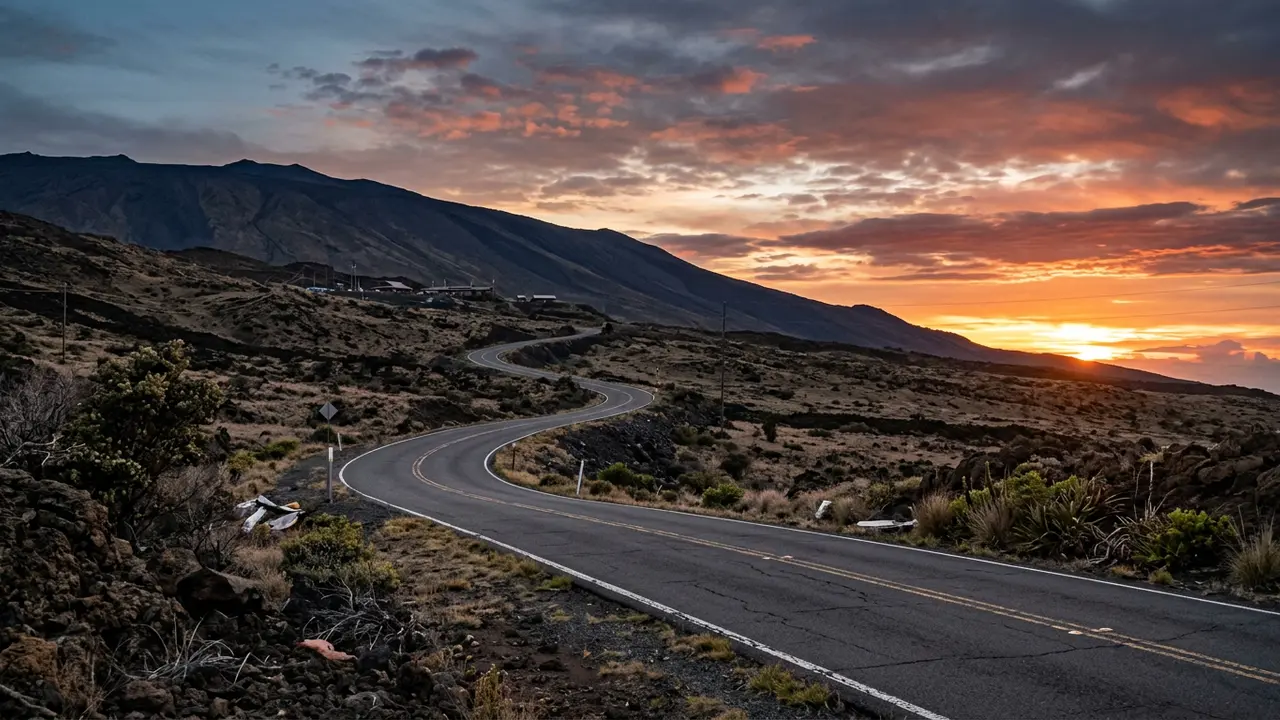
Getting to Mauna Kea: The Drive, Airports, and the VIS Visit
Maya Okonkwo Updated 7 min read
Fly into Hilo or Kona, drive Saddle Road to the Visitor Information Station, and know where rental-car and 4WD rules apply on Mauna Kea's sacred summit.
Read